Ispirare, coinvolgere, agire
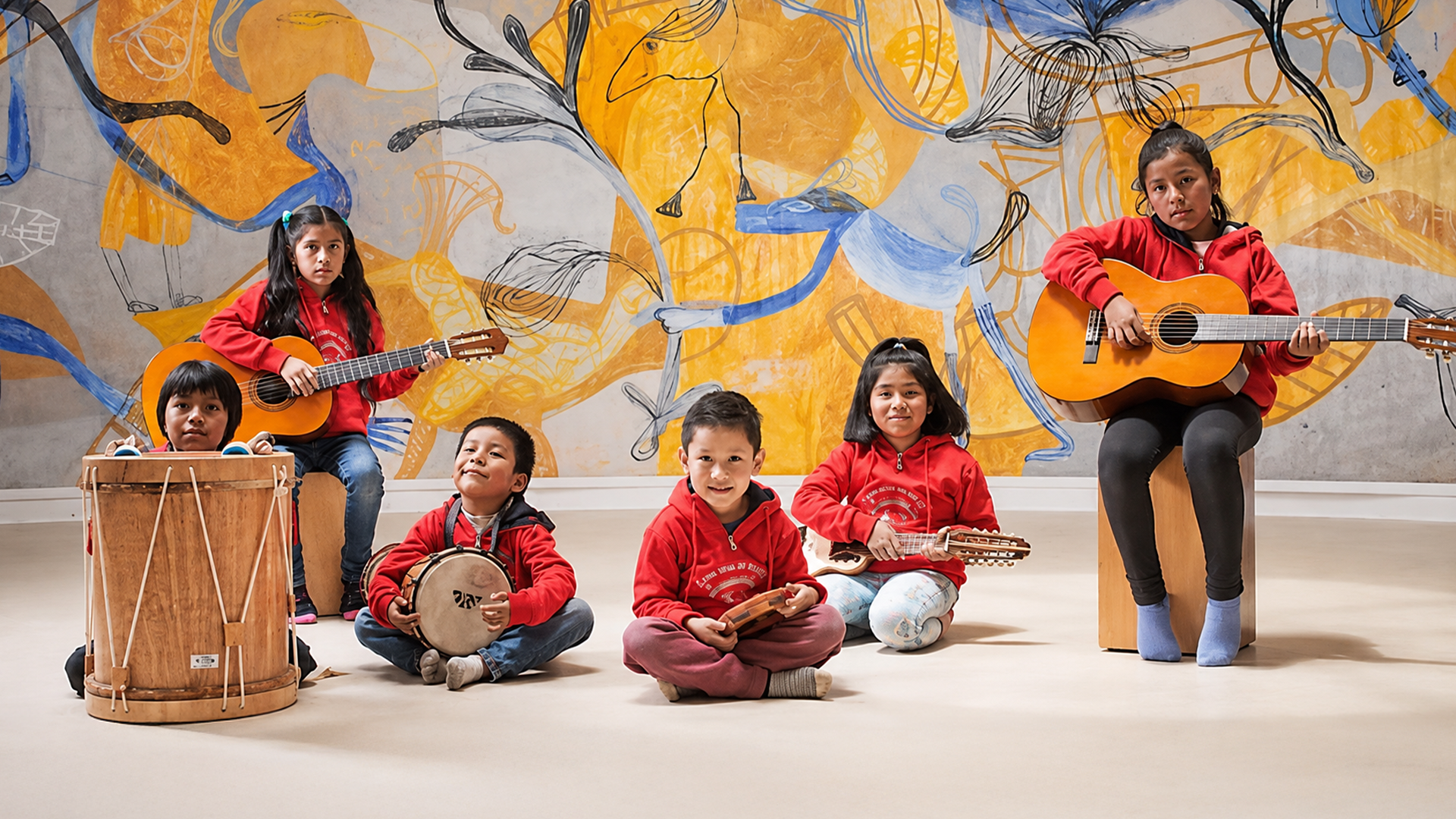
At VIPAC we are starting a new alliance with the Asociación Niños del Arco Iris, an organization whose purpose, for more than two decades, has been to provide a comprehensive approach that contributes to the growth and well-being of children in a state of vulnerability in Urubamba. This meeting was born from a common vision: to recognize that our presence in a destination can also generate a positive impact. A conviction that brings us closer to a work built to contribute to children through education, health and nutrition, and that today marks the beginning of a shared path. Behind this union there is a story that deserves to be known. One that is built day by day and that finds in childhood, families and their well-being the center of its purpose.
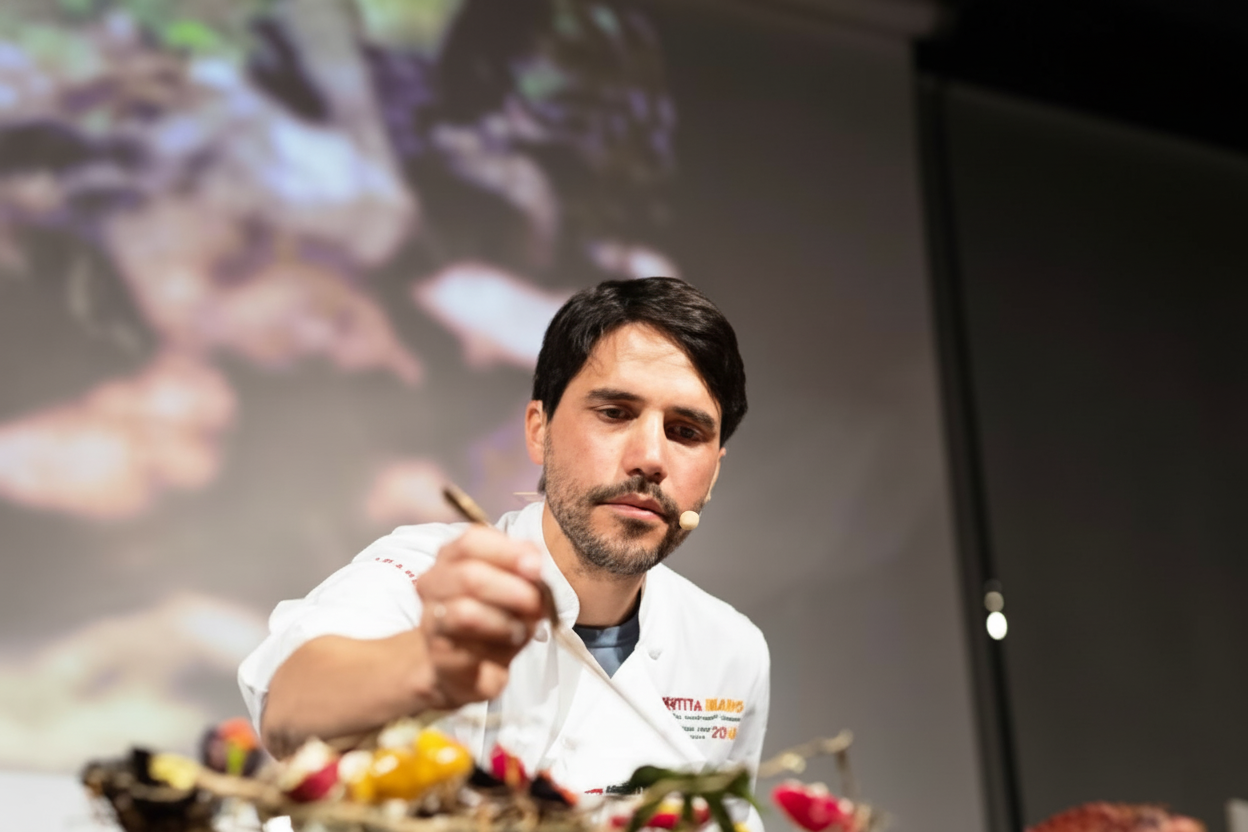
Behind the flavors of Peru there is an extraordinarily diverse geography. The valleys that cross the Andes, the natural wealth of the Amazon and the products that arrive from the coast have shaped cuisines closely linked to each environment and to the knowledge developed around them. This relationship between origin, product and culture finds new forms of expression in Peruvian gastronomy today. The Somos Awards offer an opportunity to get closer to some of them, recognizing proposals that value the origin of the ingredients and cultures that have shaped the Peruvian table.
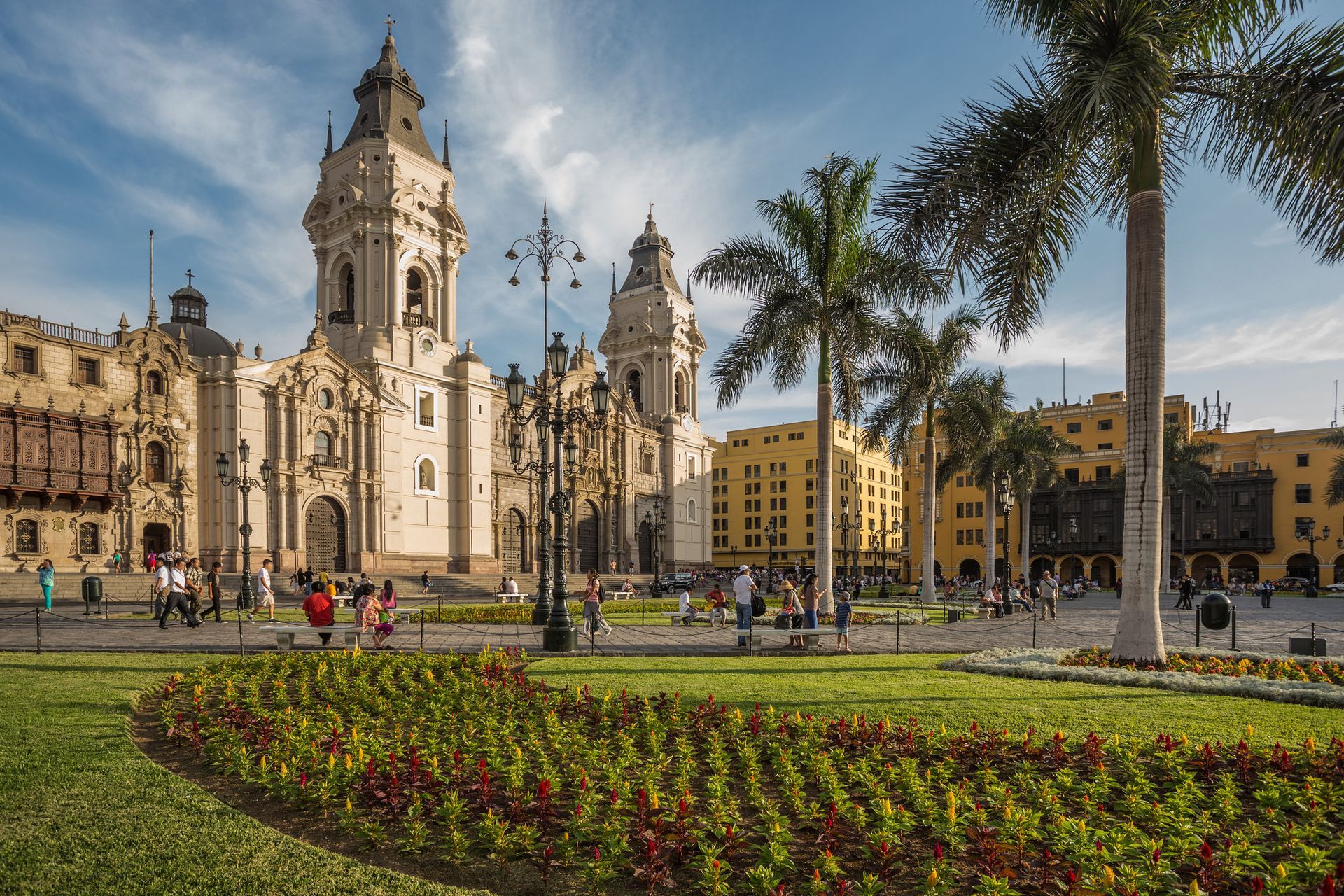
Every August 30, thousands of letters arrive at the same place in the Historic Center of Lima. Written with wishes and requests, they are deposited in the traditional Well of Wishes of the Sanctuary of Santa Rosa, keeping alive one of the most well-known customs of this date. Behind this gesture there is a story that began more than four centuries ago and that can still be discovered by touring some of the most emblematic places in the capital. Getting to know it allows you to get closer not only to the figure of Santa Rosa de Lima, but also to a city where the viceregal heritage, traditions and contemporary life continue to meet.
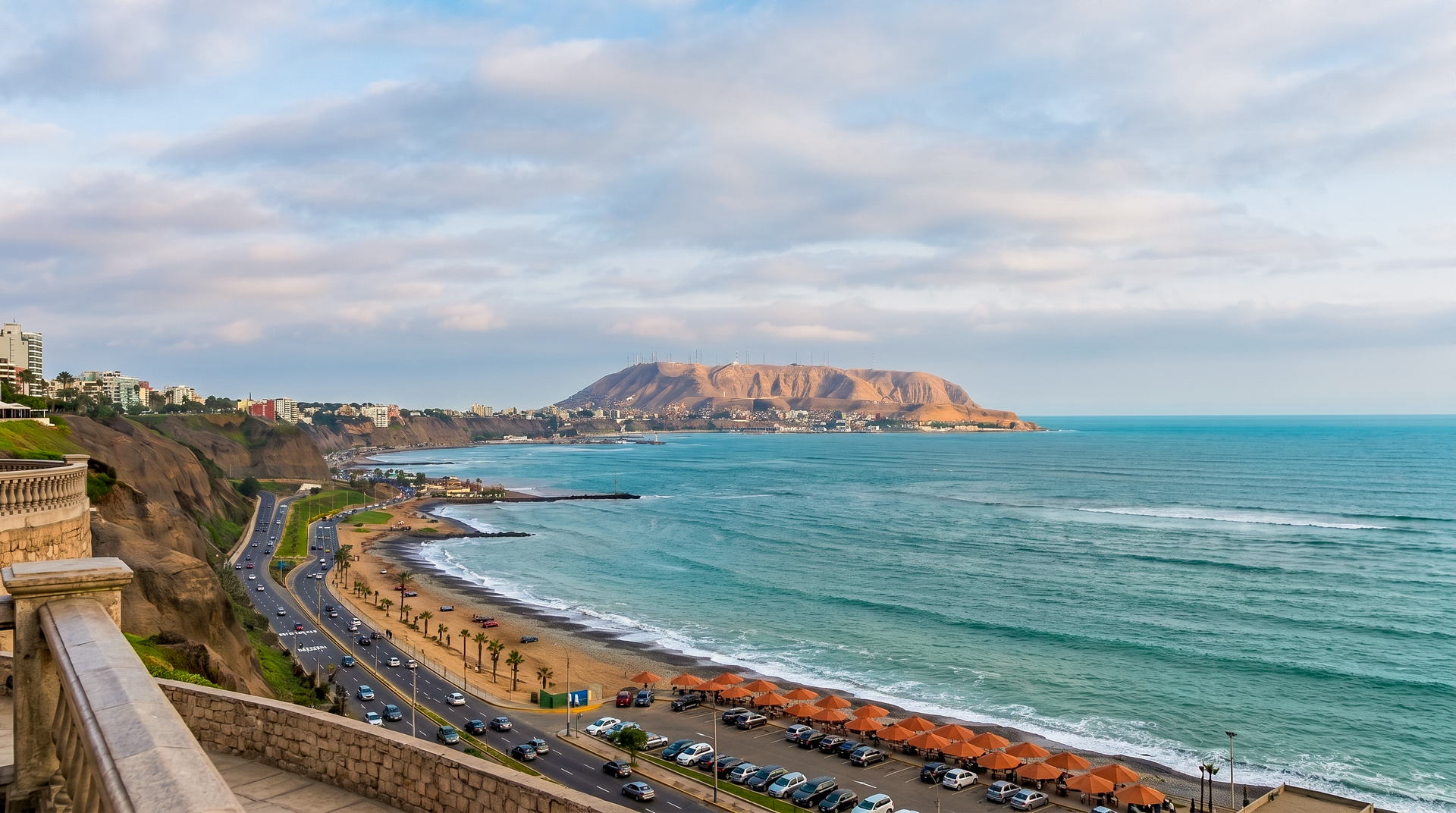
Peru is a country of great extension, comparable in size to Portugal, Spain and France combined. It is also extraordinarily diverse: the Coast, Andes and Amazon have very different geographical and climatic conditions. This diversity makes the country a unique destination for its landscapes, culture and gastronomy, but it also means that climatic phenomena such as El Niño do not affect all regions in the same way or at the same time .
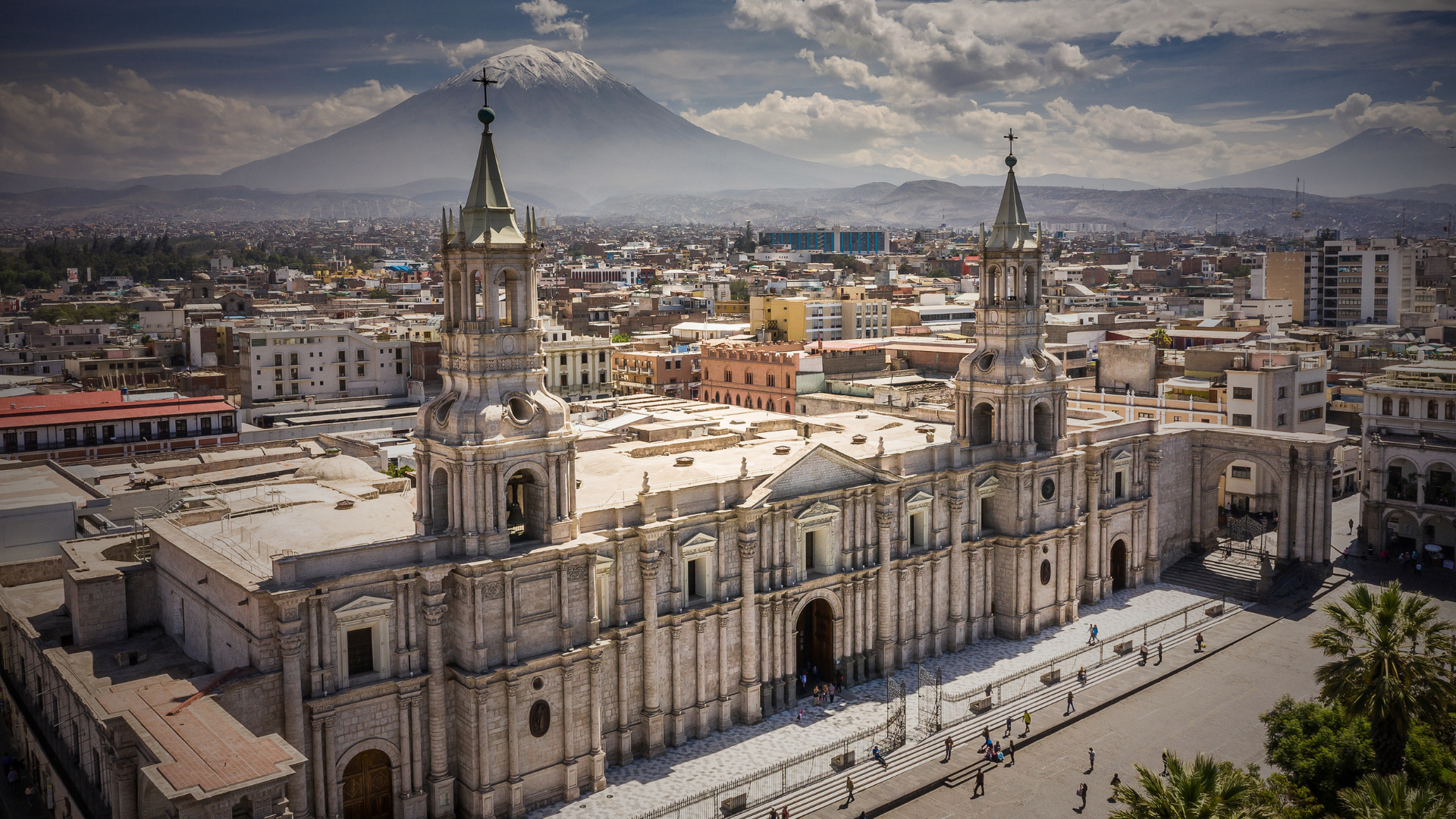
August has a special meaning in Arequipa. During the month of its anniversary, the White City celebrates an identity built over centuries, between volcanoes, ashlar architecture, traditions and a gastronomy that preserves flavours and knowledge passed down from generation to generation.
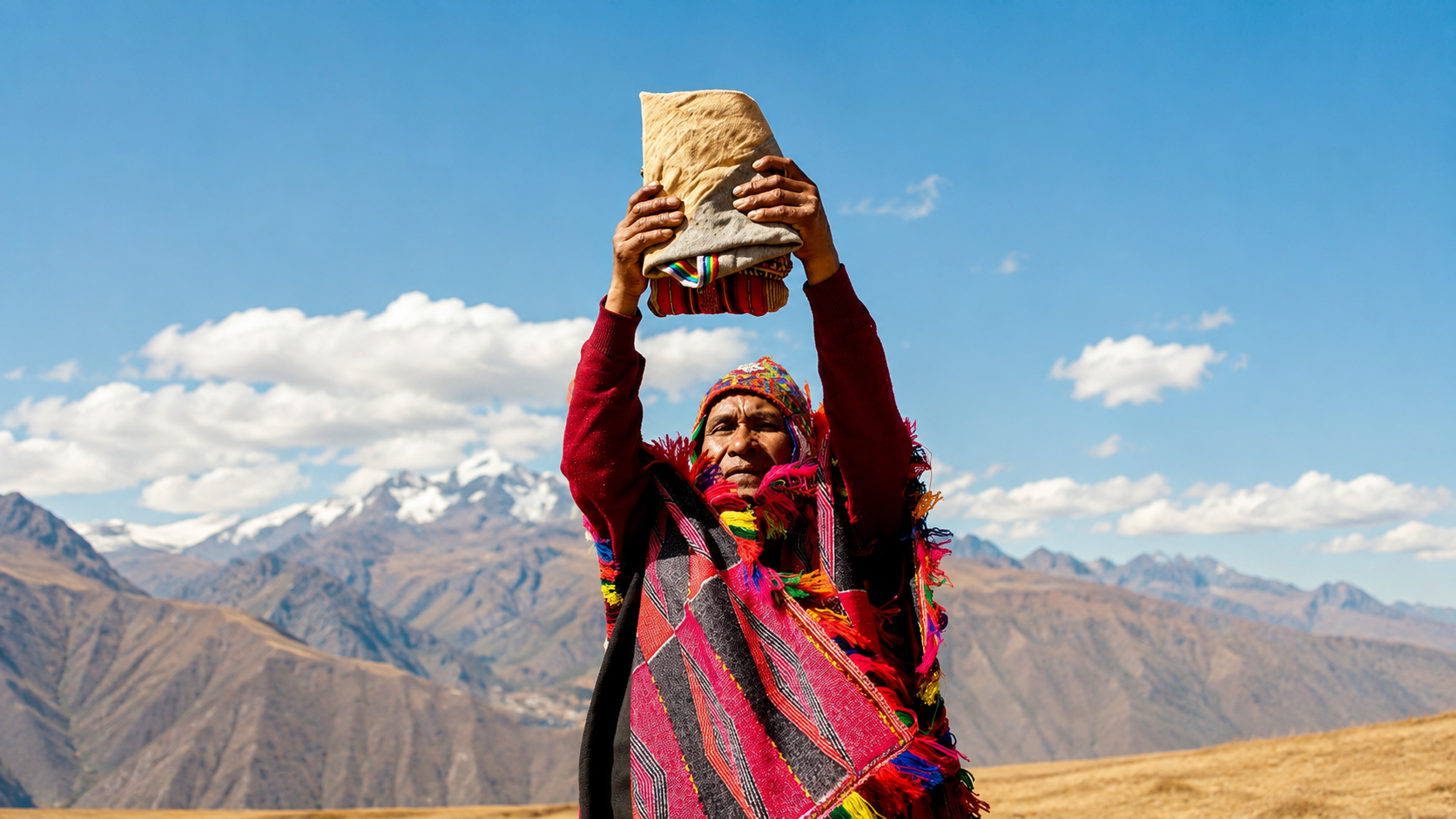
In the Andes, the relationship with the land is part of a worldview that has transcended generations. Mountains, fields, lakes, and rivers form a living territory, deeply intertwined with the people, their activities, and the traditions that shape their daily lives.
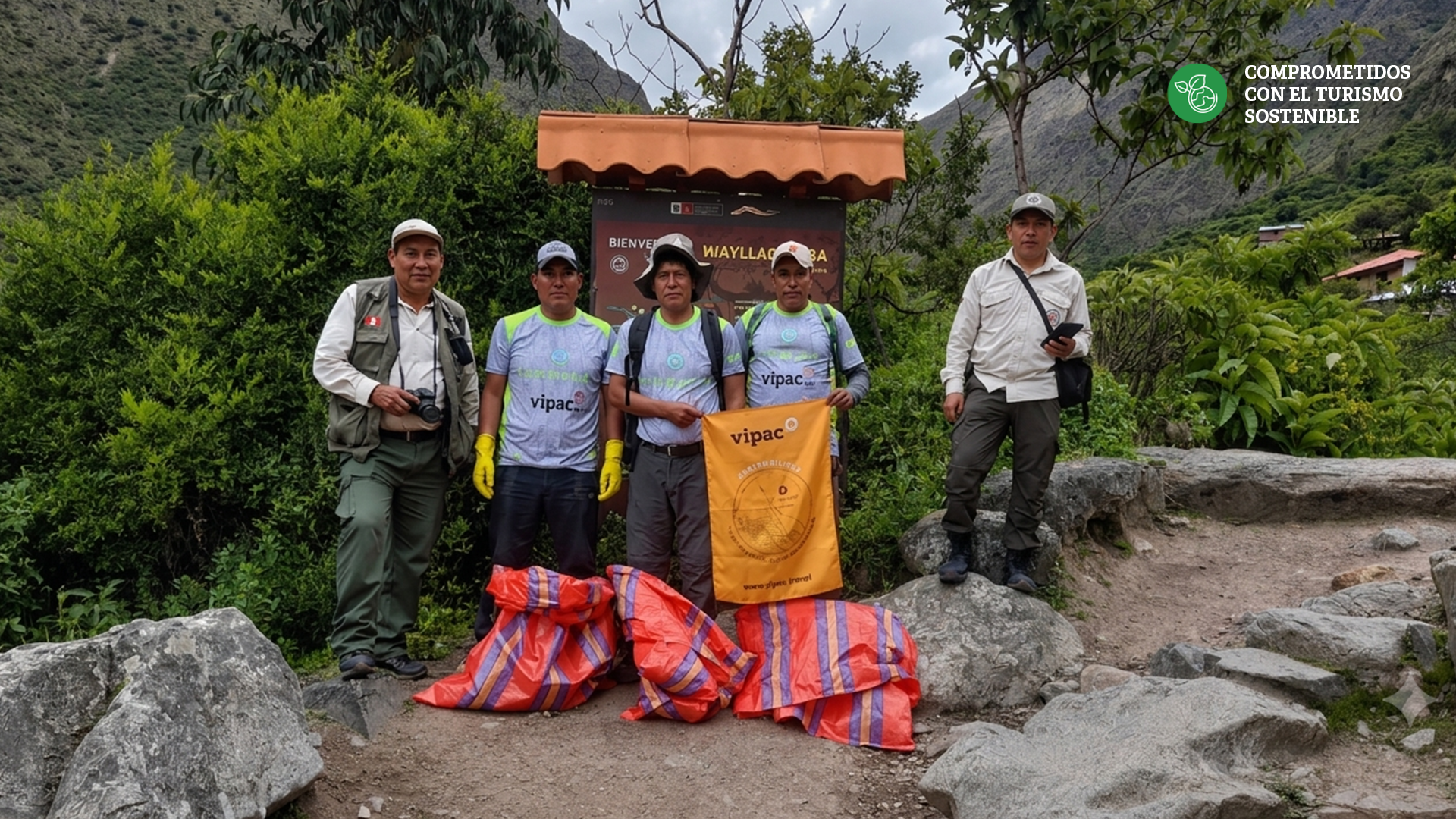
Some paths leave an unforgettable mark on those who walk them. The Inca Trail is one of them: a masterpiece of ancient engineering recognized as a UNESCO World Heritage Site. For centuries, this route has connected mountains and cloud forests, leading travelers to the heart of the Historic Sanctuary of Machu Picchu. Walking the Inca Trail is stepping into a living story where nature, culture, and tradition coexist in a remarkable balance that continues to inspire travelers from around the world.
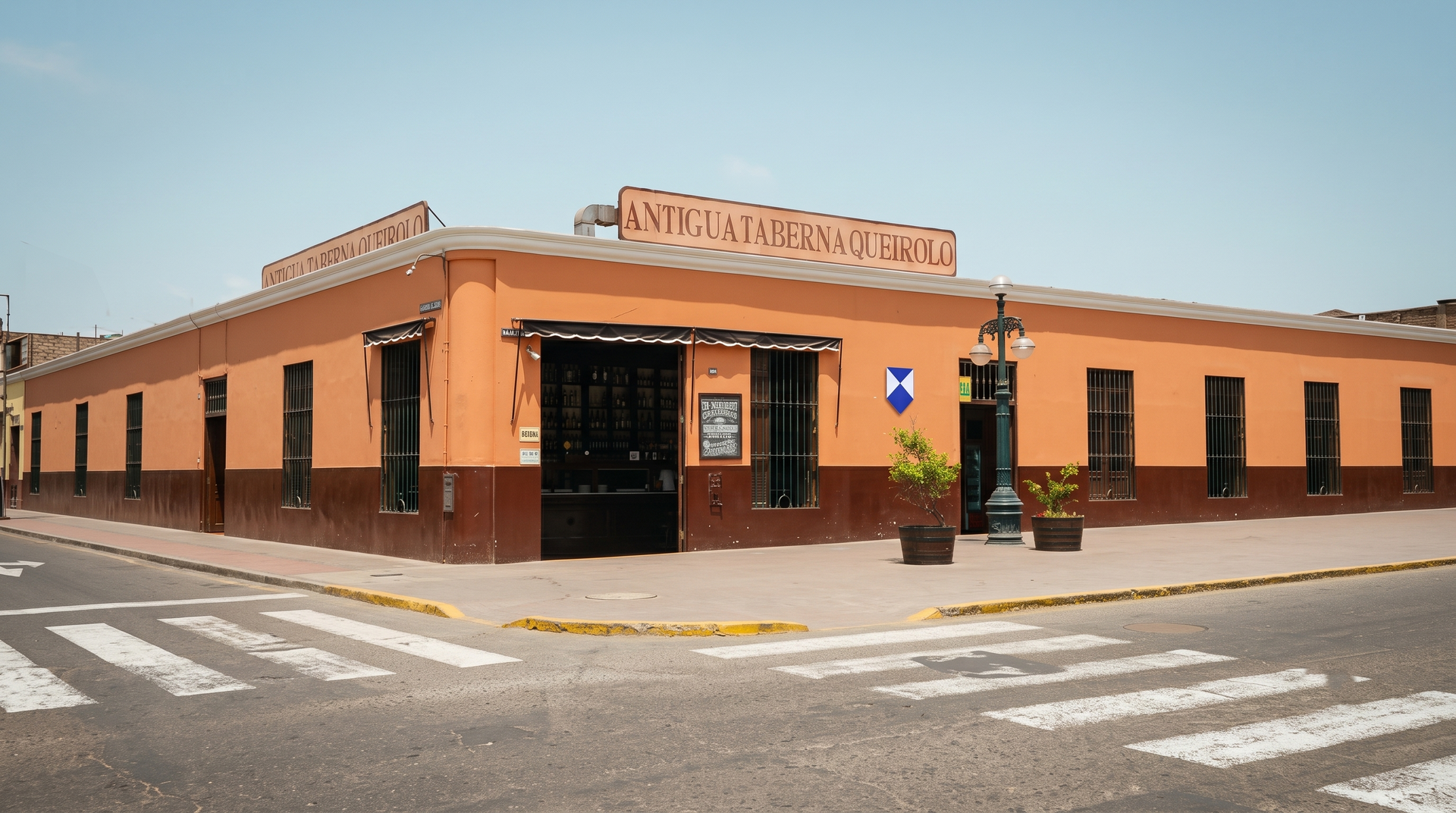
Lima has evolved for more than a century without leaving behind some of the places that best preserve its identity. Antigua Taberna Queirolo is one of them. Since 1880, its doors have welcomed generations of locals and travelers who have found within its historic halls a place where exceptional cuisine, meaningful conversation, and long-standing traditions remain part of everyday life.
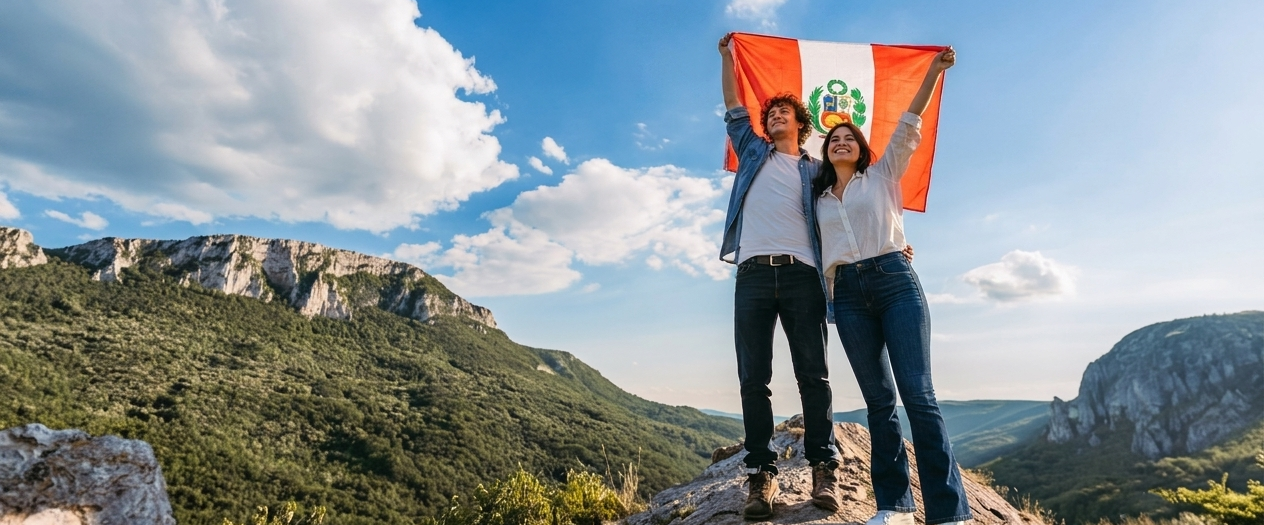
Peru is home to some of the world's most diverse landscapes, where the Pacific Ocean, the Andes Mountains, and the high-altitude plateau come together to create an extraordinary natural and cultural mosaic. This remarkable diversity has shaped civilizations, traditions, and ways of life that have evolved in close harmony with their surroundings. Traveling through southern Peru reveals how geography has influenced the country's identity, connecting historic cities, breathtaking natural scenery, and cultural traditions that continue to thrive today.
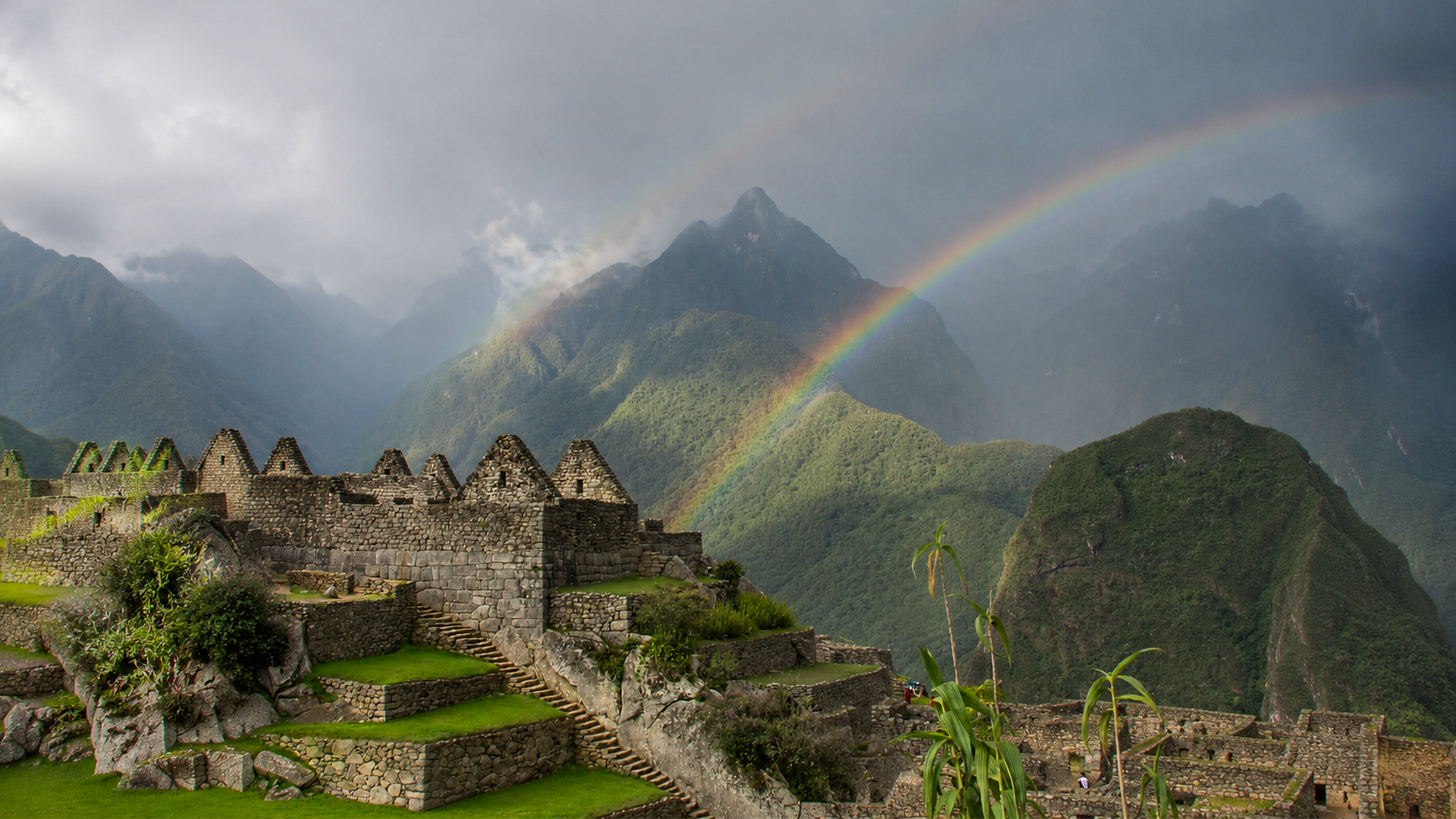
Every July 7th, the anniversary of its selection as one of the New Seven Wonders of the World invites us to turn our gaze back to one of Peru's greatest symbols. Almost two decades after this international recognition, Machu Picchu retains its undiminished capacity to inspire and reaffirms its place among humanity's great cultural heritage sites.