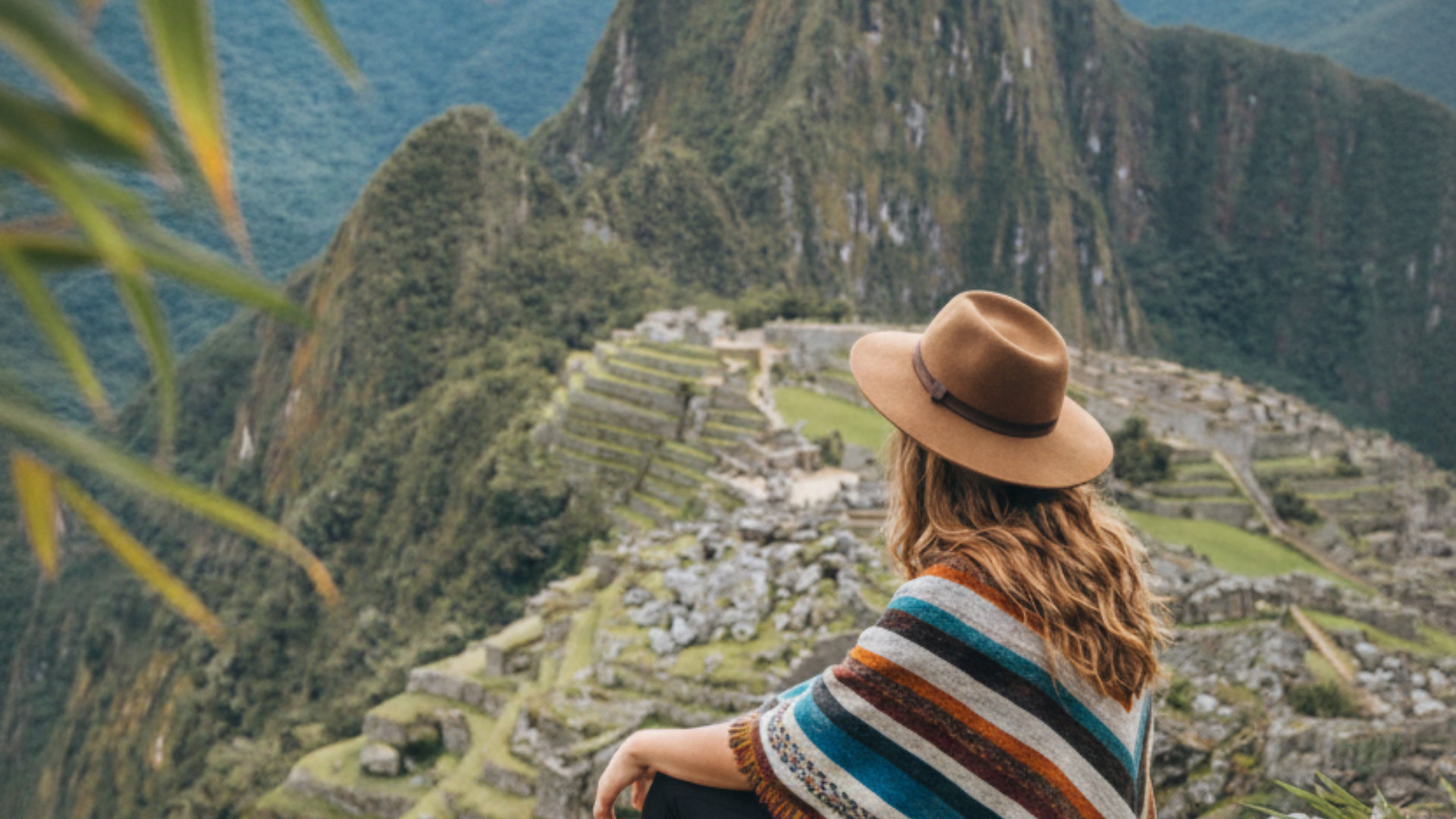
Machu Picchu: 45 Years as a World Heritage Site
Nestled among the Andean mountains, Machu Picchu is one of Peru’s greatest icons and one of the most renowned archaeological sites in the world. Its value transcends time through the way it integrates architecture, territorial knowledge, and a worldview deeply connected to nature.
In 1983, Machu Picchu was inscribed on UNESCO’s List of Cultural and Natural World Heritage Sites, consolidating its status as a universal reference of the Inca civilization’s legacy. Forty-five years after this recognition, its relevance not only remains but gains even greater meaning in a context where conservation and responsible travel are increasingly important.
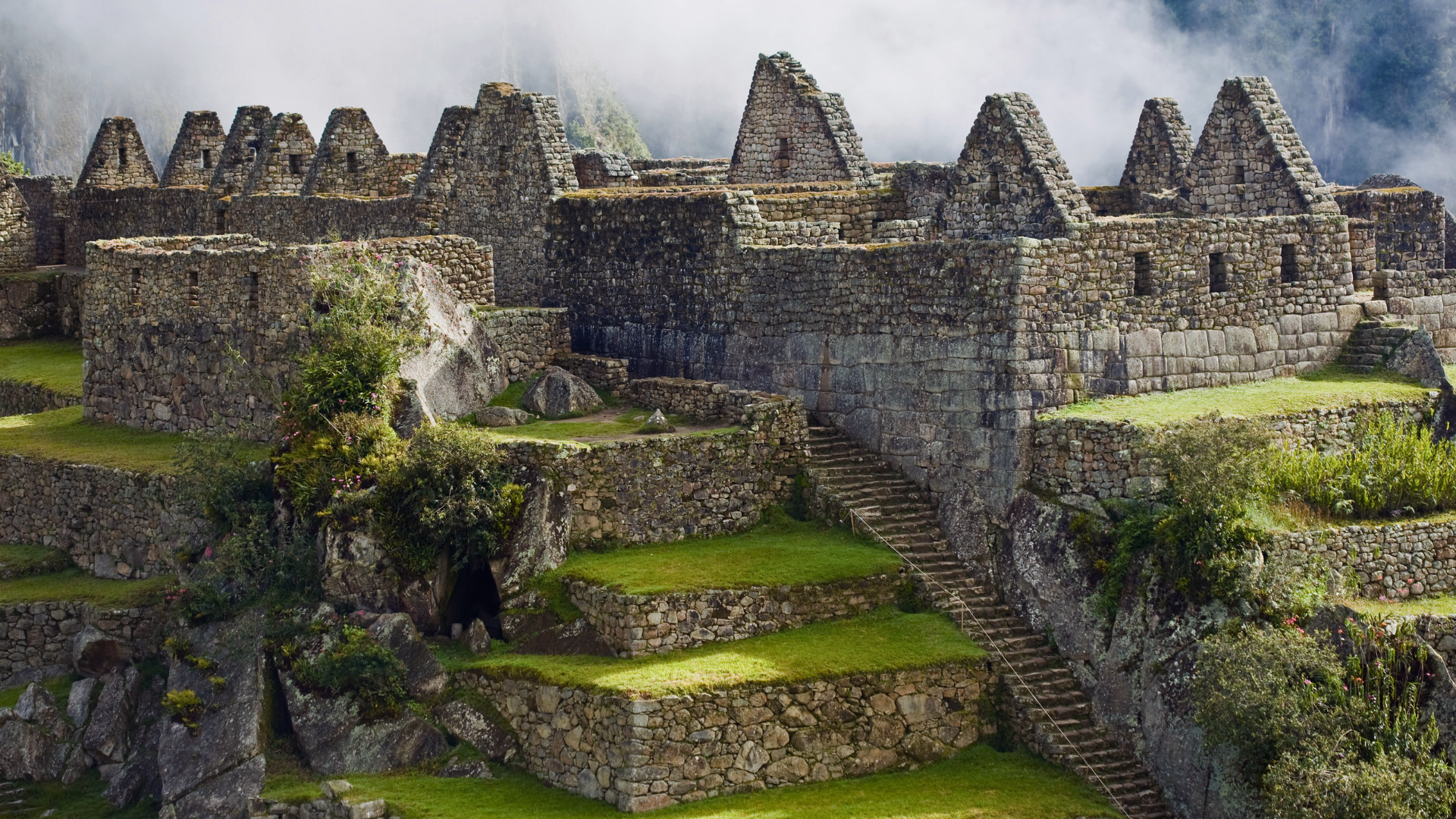
This recognition goes beyond its visual impact. Machu Picchu represents an exceptional balance between engineering, spirituality, and landscape. Its terraces, walls, and pathways were conceived in direct dialogue with the mountains, reflecting an advanced and conscious way of inhabiting the territory.
Its World Heritage designation highlighted not only its architecture and natural setting, but also the importance of preserving it. Since then, Machu Picchu has become a global symbol of heritage management and cultural protection
Cusco and the Sacred Valley: where history remains alive
Machu Picchu is part of a broader narrative that unfolds across the ancient Inca territory. This journey centers on Cusco, the former capital of the Tahuantinsuyo, and the Sacred Valley of the Incas.
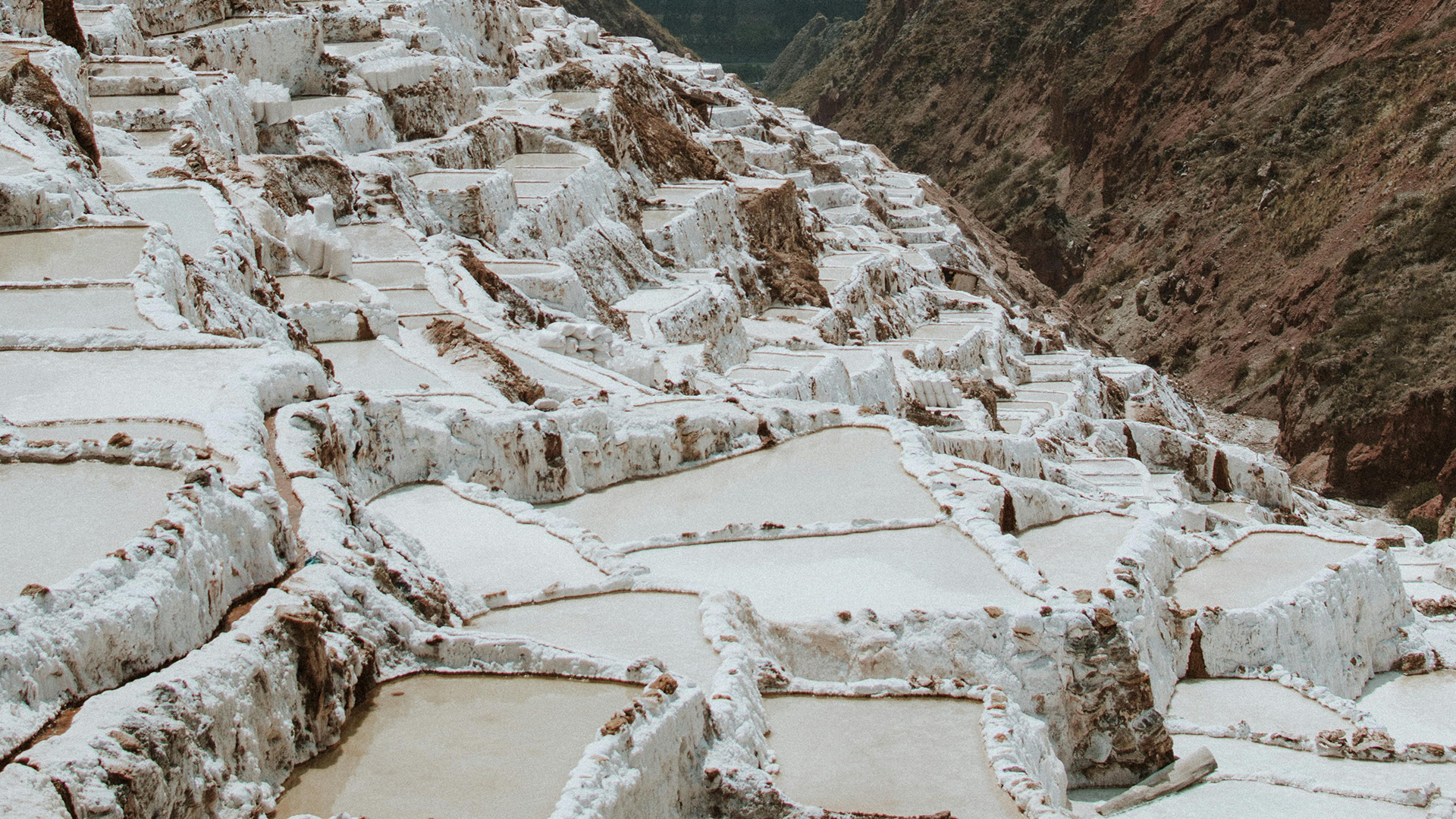
In this setting, places such as the
Maras Salt Mines, the
Qorikancha
(Temple of the Sun), along with Andean towns and agricultural landscapes, reveal the depth of Inca knowledge and their close relationship with nature. Including these sites adds rhythm, context, and a deeper understanding of the destination.
Discovering Machu Picchu as part of a well-designed journey transforms the entire experience.
A legacy that continues to inspire
This holistic perspective explains why, for decades, travelers from around the world have been drawn to this sanctuary not only for its history, but for its meaning and timeless presence. Its World Heritage status broadened global attention toward the Peruvian Andes, recognizing the citadel as part of a living, inhabited, and culturally active territory.
An anniversary to rediscover
Celebrating 45 years as a World Heritage Site means acknowledging that Machu Picchu belongs to the world. It is also an invitation to rediscover it through a conscious lens, understanding its context and cultural legacy.
👉
At VIPAC Travel, we design tailor-made journeys through Machu Picchu, Cusco, and the Sacred Valley, creating experiences that respect the destination and allow travelers to understand why, after more than four decades as a World Heritage Site, it remains one of the most admired places on the planet.