


Inspire, Engage, Action
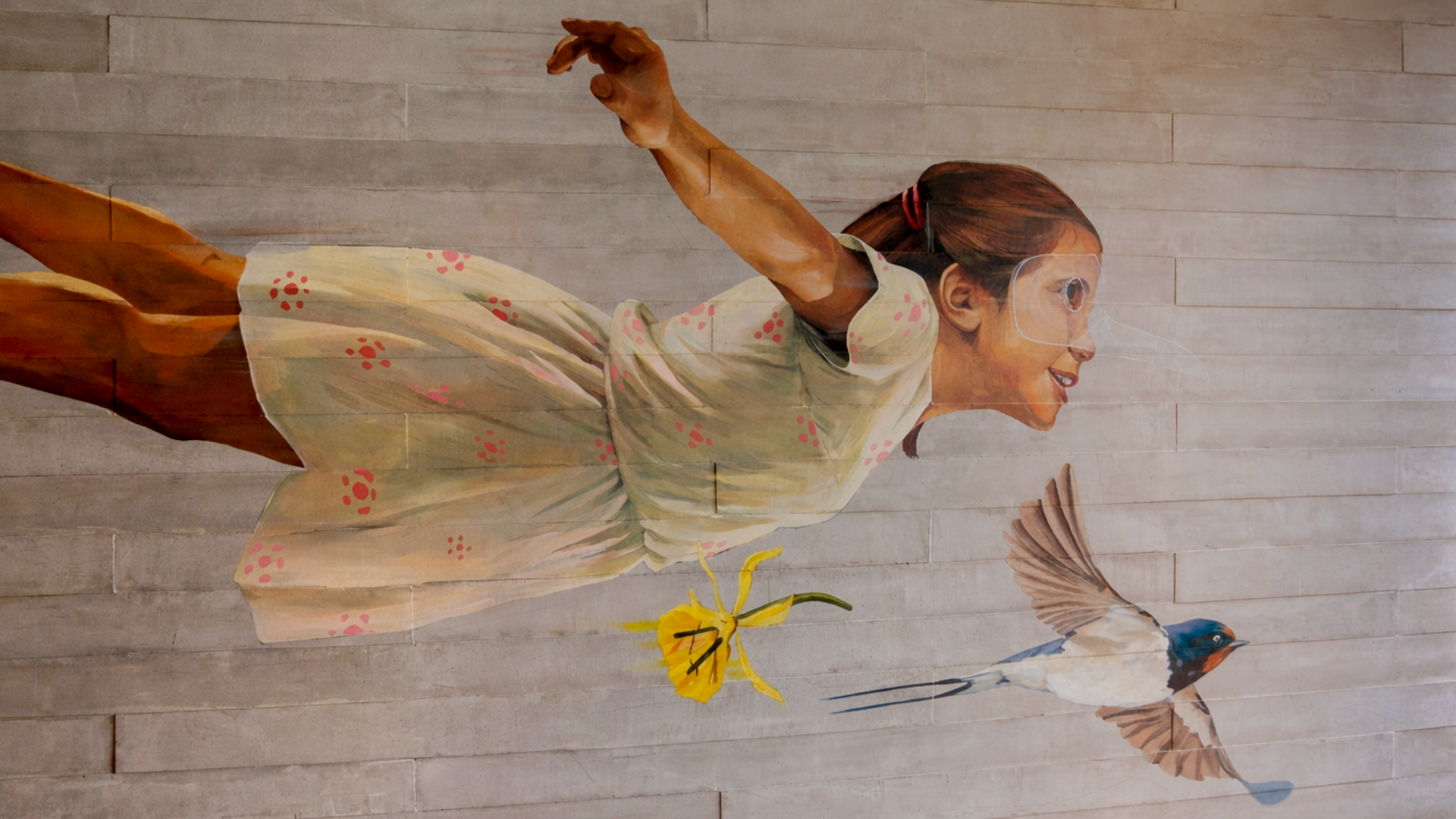
Peru reveals itself through the gaze of those who have translated it into form, color, and symbol. To travel through it is, in essence, to move across a work in constant construction. This reading begins with José Sabogal , who in the 1920s understood that identity should not be sought outward, but within the depth of one’s own roots. In his brushstrokes, the Andean face ceased to be invisible and became central. From that moment on, Peruvian art changed its direction.
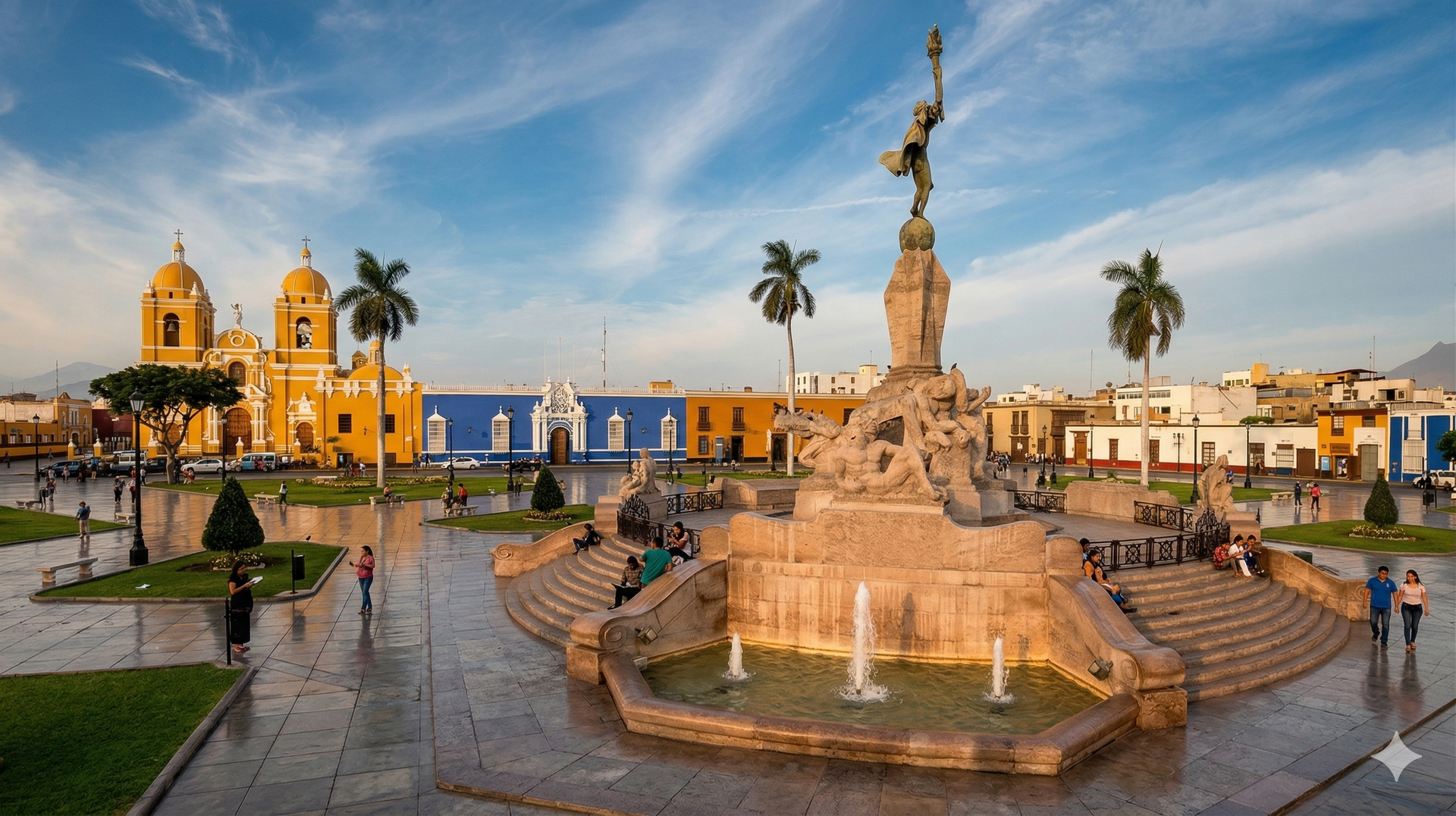
Heading north in Peru is not just a geographical shift; it is a different way of approaching time. Here, the coastline stretches between desert and ocean, and within that apparent stillness, stories emerge that continue to shape the character of the land.
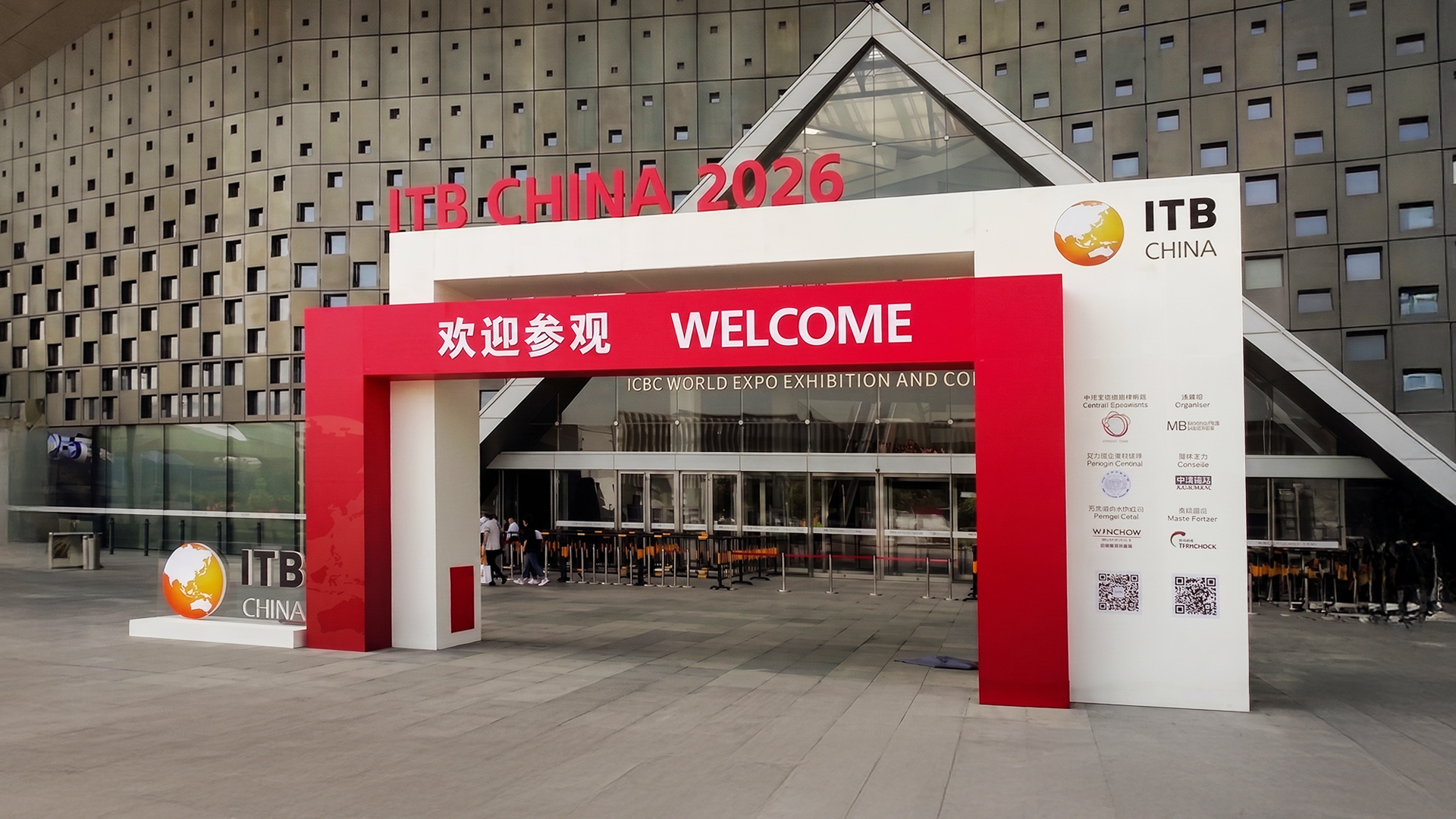
A journey doesn’t begin upon arriving at a destination, but at the moment it starts to be imagined. At ITB China 2026, that process takes shape in an environment where new dynamics of international tourism are defined, growth opportunities are identified, and key connections between markets are built. Today, the Asian traveler is not only seeking to go far, but to understand. Within that drive, Peru presents itself not as a collection of icons, but as a narrative that unfolds in layers.
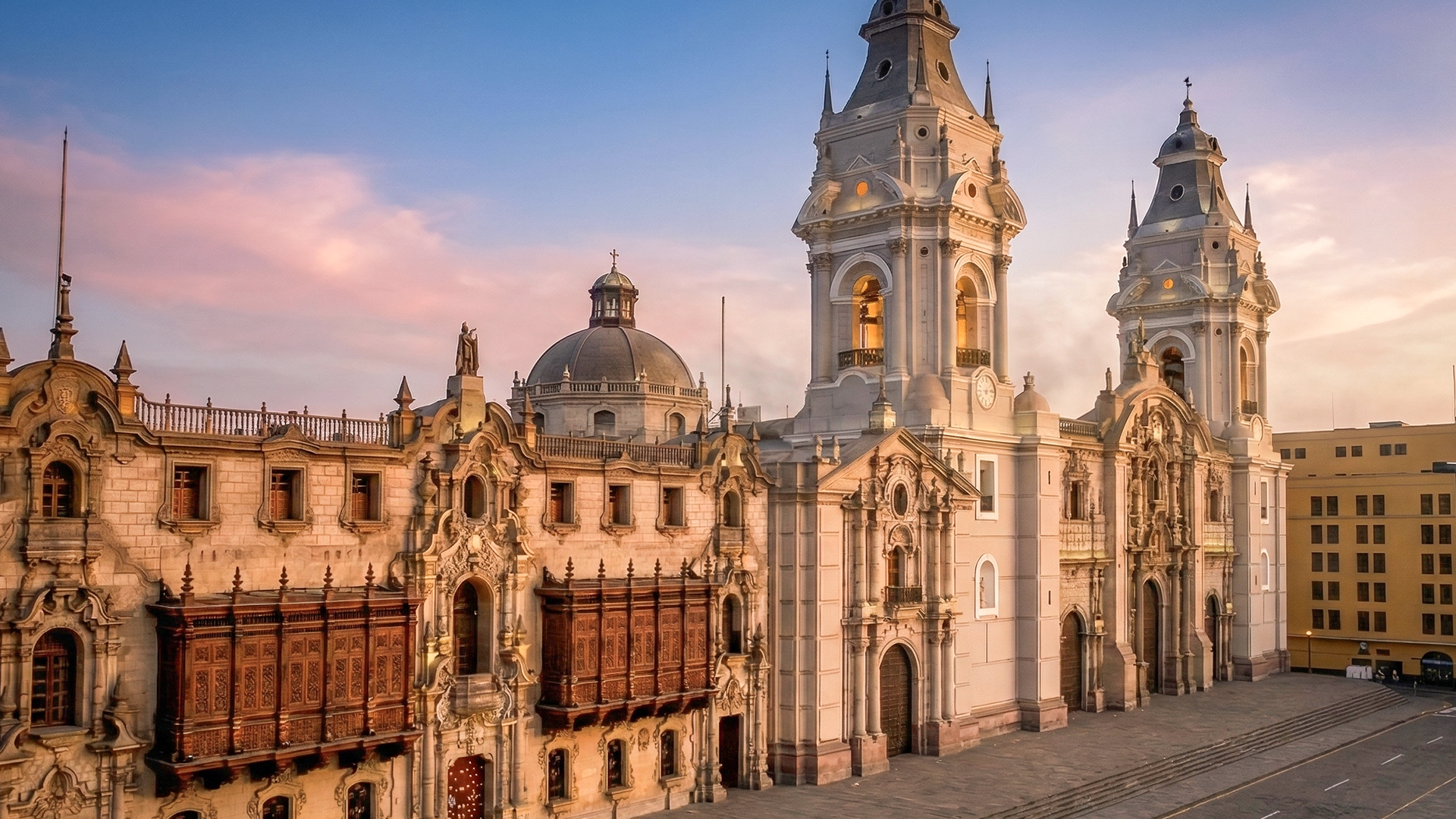
There are cities you explore with your eyes. Lima, instead, is understood through taste. In its Historic Center, where carved wooden balconies watch time go by, history is not limited to its churches or plazas. It unfolds in its kitchens, in a diversity that coexists effortlessly: from the most essential to proposals that reinterpret tradition. Here, every flavor is a way of understanding the city. The morning begins in its most authentic form. Amid constant movement and the unmistakable rhythm of downtown, the aroma of firewood marks the start at El Chinito . The pan con chicharrón is not just a classic—it is a daily scene repeated with precision, where crunchiness, the sweetness of sweet potato, and the freshness of salsa criolla create a balance that has endured over time. It is the perfect starting point: direct, honest, deeply Limeño.

Traversing deep valleys, mountain rivers, and vast plateaus, Peru's trains journey through some of the Andes' most breathtaking landscapes. Today, these routes are experienced as a destination in themselves, where the way you traverse the territory reveals just as much as the final stop. From Cusco to Machu Picchu, the journey follows the course of the Urubamba River, descending from the Sacred Valley toward the cloud forest on a route where the landscape constantly changes. Agricultural terraces, Andean villages, and lush slopes accompany the journey, anticipating the arrival at the Inca citadel.
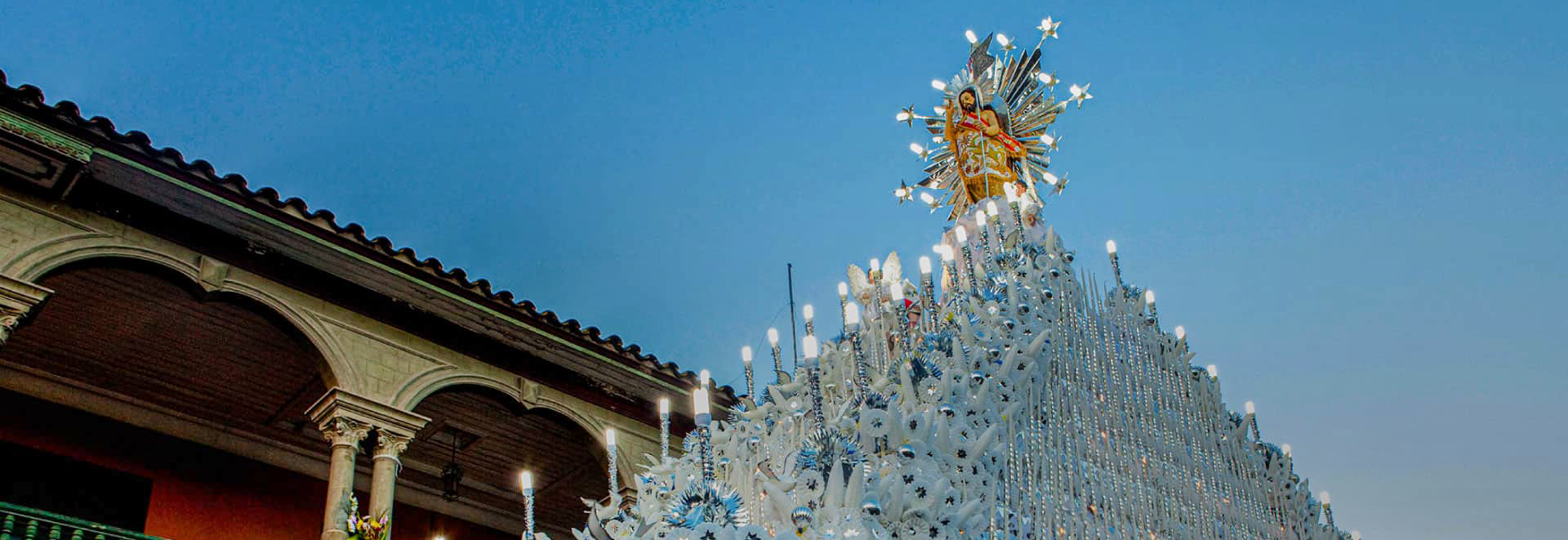
Across the diverse landscapes of Peru, Holy Week transforms charming towns and vibrant cities into captivating stages where faith, memory, and collective heritage seamlessly intertwine. During these sacred days, the country unveils a profound cultural legacy. Here, devout Catholic traditions harmonize with practices passed down through generations, giving rise to immersive celebrations that form the very soul of the land. Your curated journey might begin in the imperial city of Cusco, where every Holy Monday, the community gathers for the awe-inspiring procession of the Señor de los Temblores (Lord of the Earthquakes). The historic center's cobblestone streets overflow with the devoted, enveloped in sacred music and a sea of crimson ñucchu flowers, crafting a deeply solemn atmosphere that binds history, spirituality, and community.
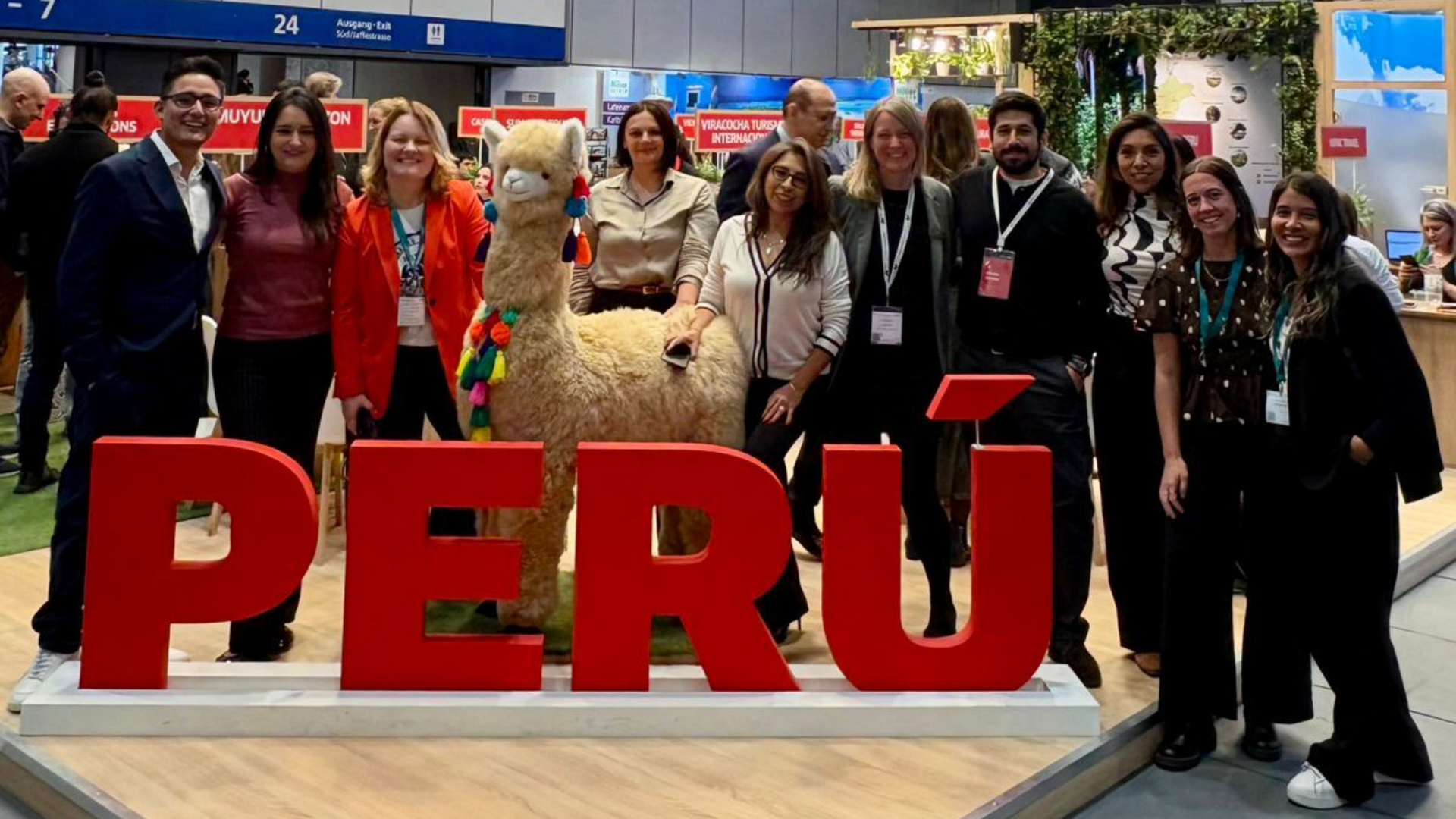
Every year, international tourism finds meeting points where trends are defined, new business opportunities emerge, and the future of global travel is shaped. In cities like Berlin and São Paulo, trade shows such as ITB Berlin and WTM Latin America gather key industry players to drive global sector development, positioning Peru within an increasingly relevant and strategic conversation. The interest of European and Latin American markets is evolving toward proposals that integrate context, depth, and continuity into the experience. Machu Picchu maintains its relevance as the journey's centerpiece, complemented by other territories like the Sacred Valley, the Amazon, and cultural experiences tied to local communities, yielding more comprehensive, diverse, and distinct itineraries.
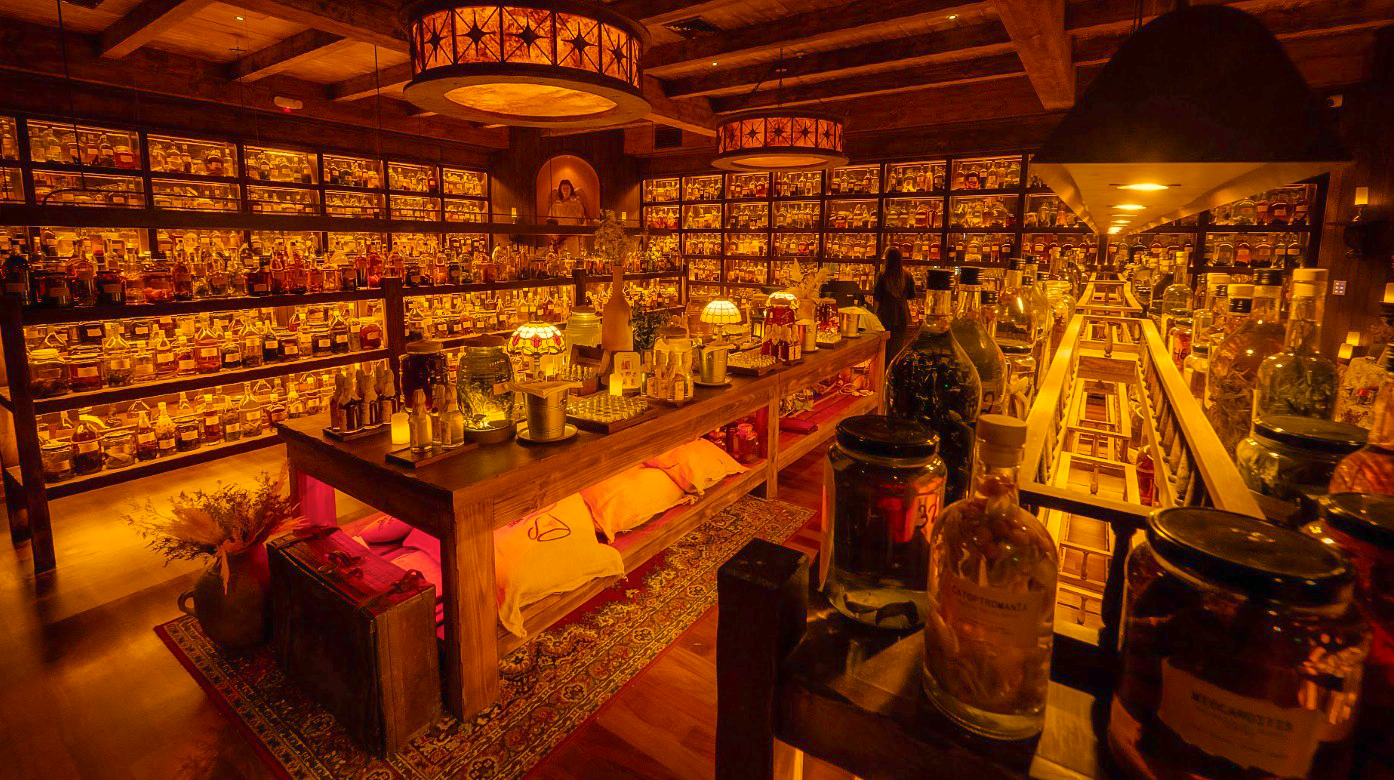
In Lima, some experiences begin at the table, while others—like this one—start much earlier. In the heart of Miraflores, there is a space where gastronomy is not only tasted, but explored and interpreted as part of a broader cultural memory. The journey begins even before looking at a menu. Upon entering, the rhythm of the city fades, giving way to an unexpected atmosphere: the Yonque Museum, also known as El Boticario. Within carefully lit display cases, a collection of bottles, macerations, and infusions unfolds as if suspended in time. The aromas are intense and enveloping, while the dim lighting transforms the space into an almost ceremonial setting.
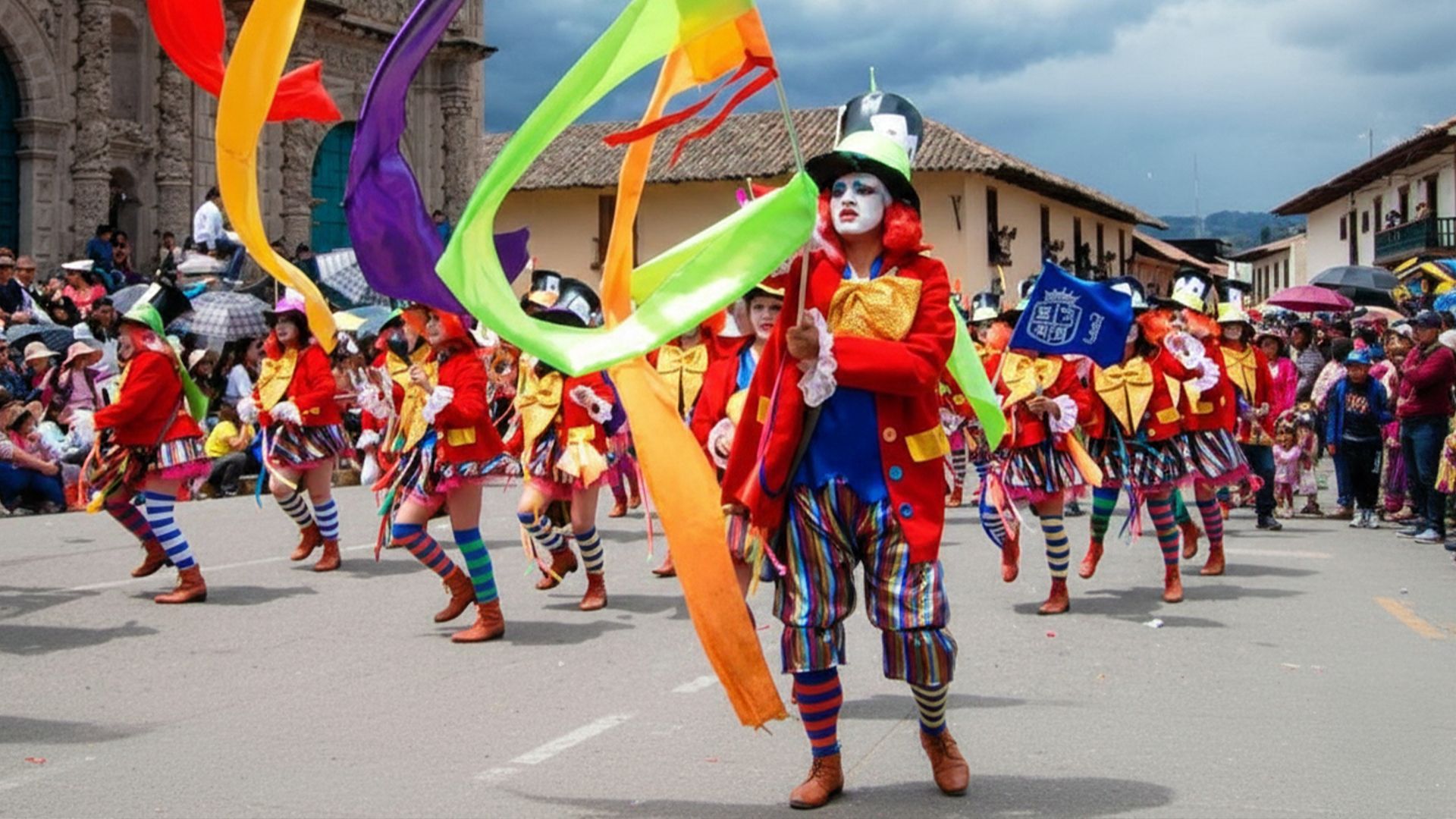
During February, Cajamarca changes its pace. The main square, the streets, and the neighborhoods stop being merely everyday spaces and become part of a shared celebration. There is no single main stage or one defining moment—the festivity unfolds across the entire city at once.
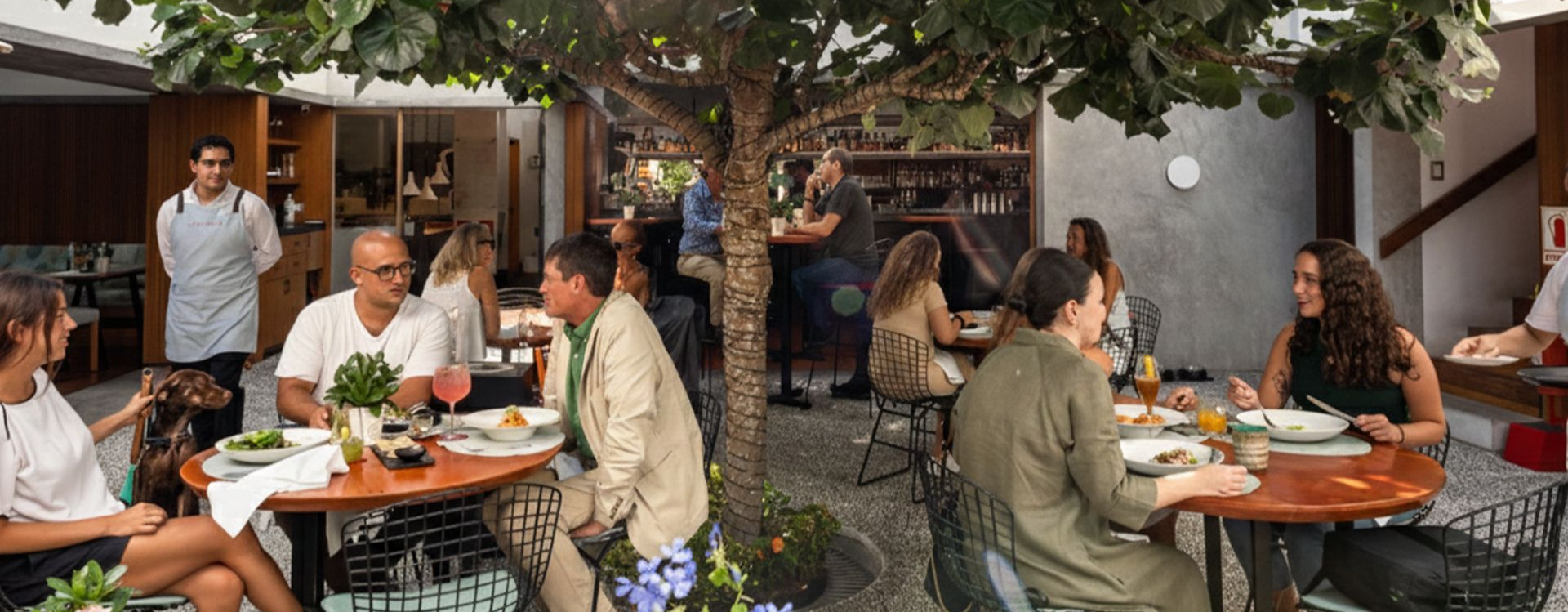
For many travelers, their first encounter with Peru begins in Lima. Before reaching the Andes or the altiplano, the city offers an unexpected way to understand the country: its cuisine. It’s not just about tasting well-known dishes. The table becomes an introduction to the territory. Ingredients, flavors, and techniques reveal the country’s diversity even before it is physically explored.