Art in Peru: a look at its identity through its creators
Peru reveals itself through the gaze of those who have translated it into form, color, and symbol. To travel through it is, in essence, to move across a work in constant construction.
This reading begins with
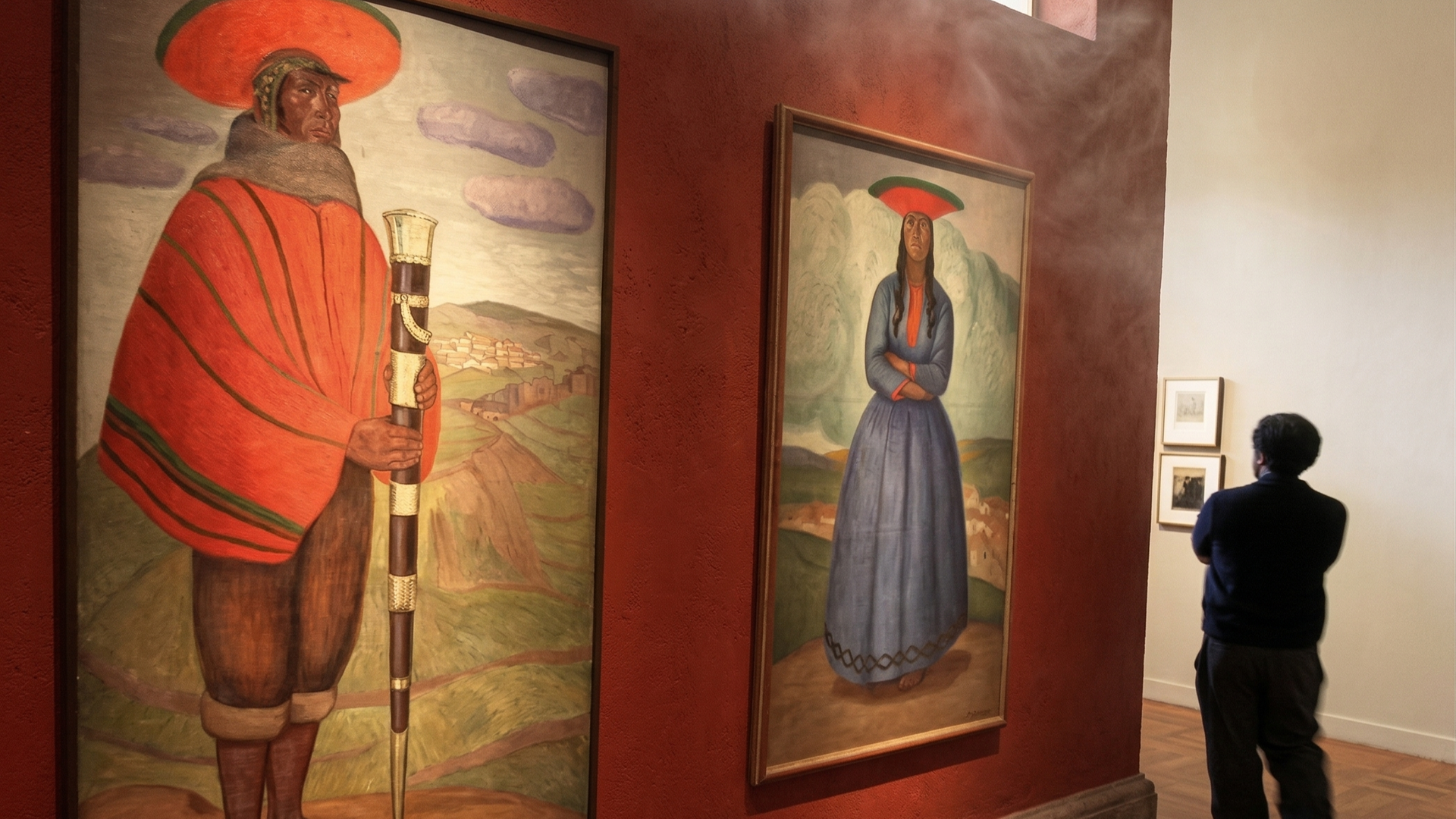
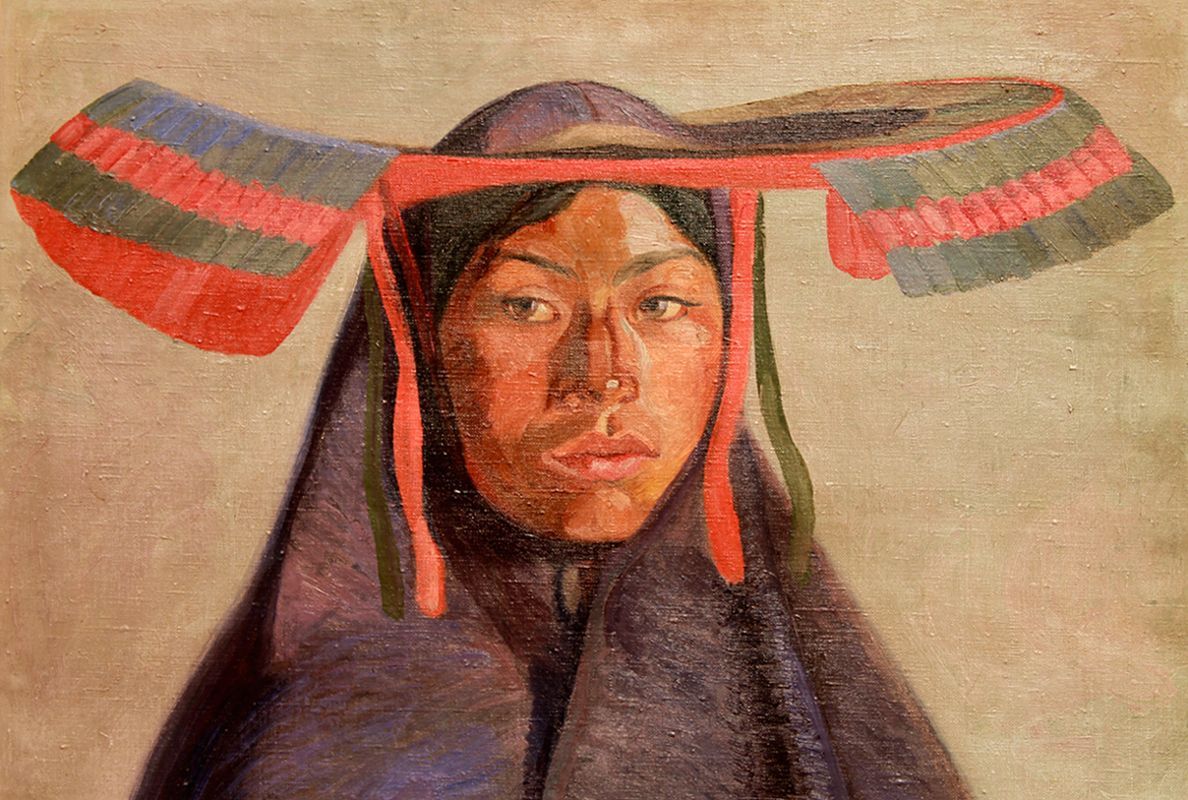
José Sabogal, who in the 1920s understood that identity should not be sought outward, but within the depth of one’s own roots. In his brushstrokes, the Andean face ceased to be invisible and became central. From that moment on, Peruvian art changed its direction.
That same search, years later, took on another form in
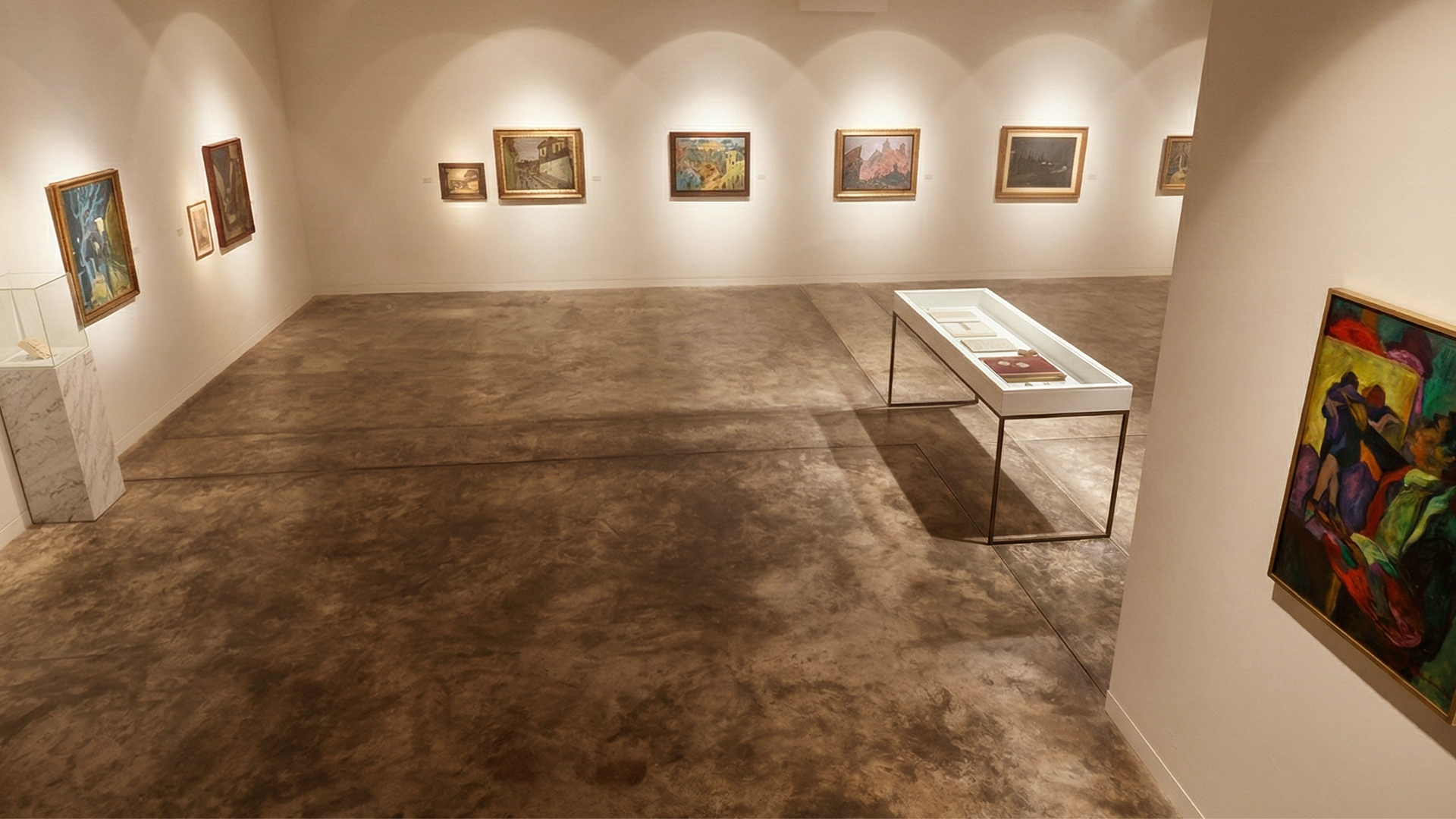
Víctor Humareda. From a room in the old Hotel Lima, his painting absorbed the city: the streets, the night, the melancholy. He did not document—he transformed. And in doing so, Lima gained a more intimate, more human dimension.
The journey then moves into a more abstract plane with
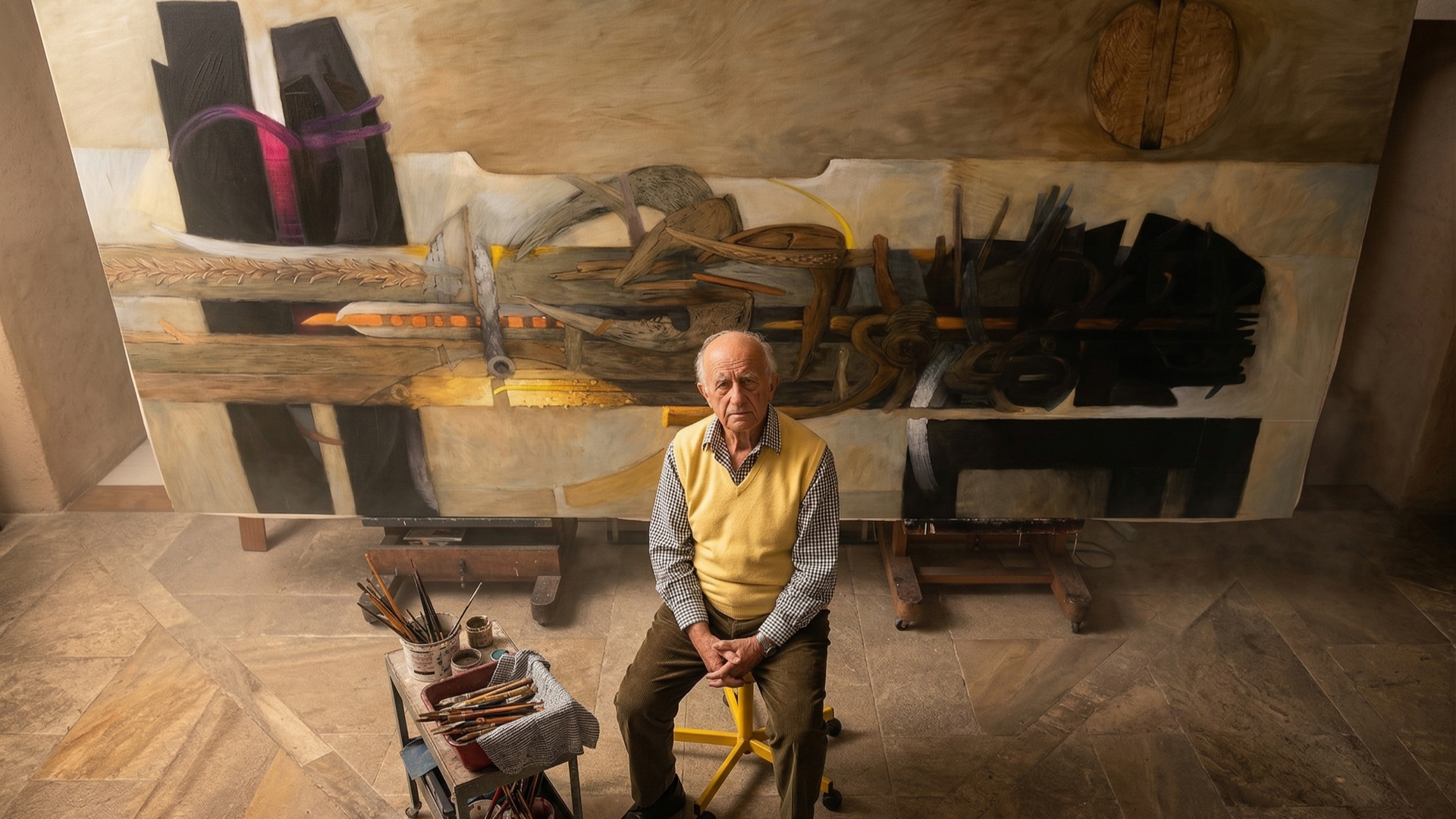
Fernando de Szyszlo, who succeeded in translating pre-Columbian thought into a contemporary language. In works such as Apu Inca Atawallpaman, the past is not represented—it is manifested. This same atmosphere extends into the universe of
Tilsa Tsuchiya, where the mythical and the dreamlike coexist without boundaries.
But art in Peru is also matter and tension. In the work of
Víctor Delfín, volume dialogues with the landscape, while
José Tola and
José Luis
Carranza explore the human condition with an intensity that does not seek answers, but confrontation.
Today, this narrative continues through new languages and spaces. On the walls of Lima, artists like
Jade Rivera reinterpret Andean imagery through urban art, reclaiming symbols, characters, and memories that remain part of contemporary identity.
Thus, Peruvian art is not understood as a succession of styles, but as an ongoing conversation between past and present—a living narrative that continues to evolve and allows the traveler to discover the country through one of its deepest expressions.