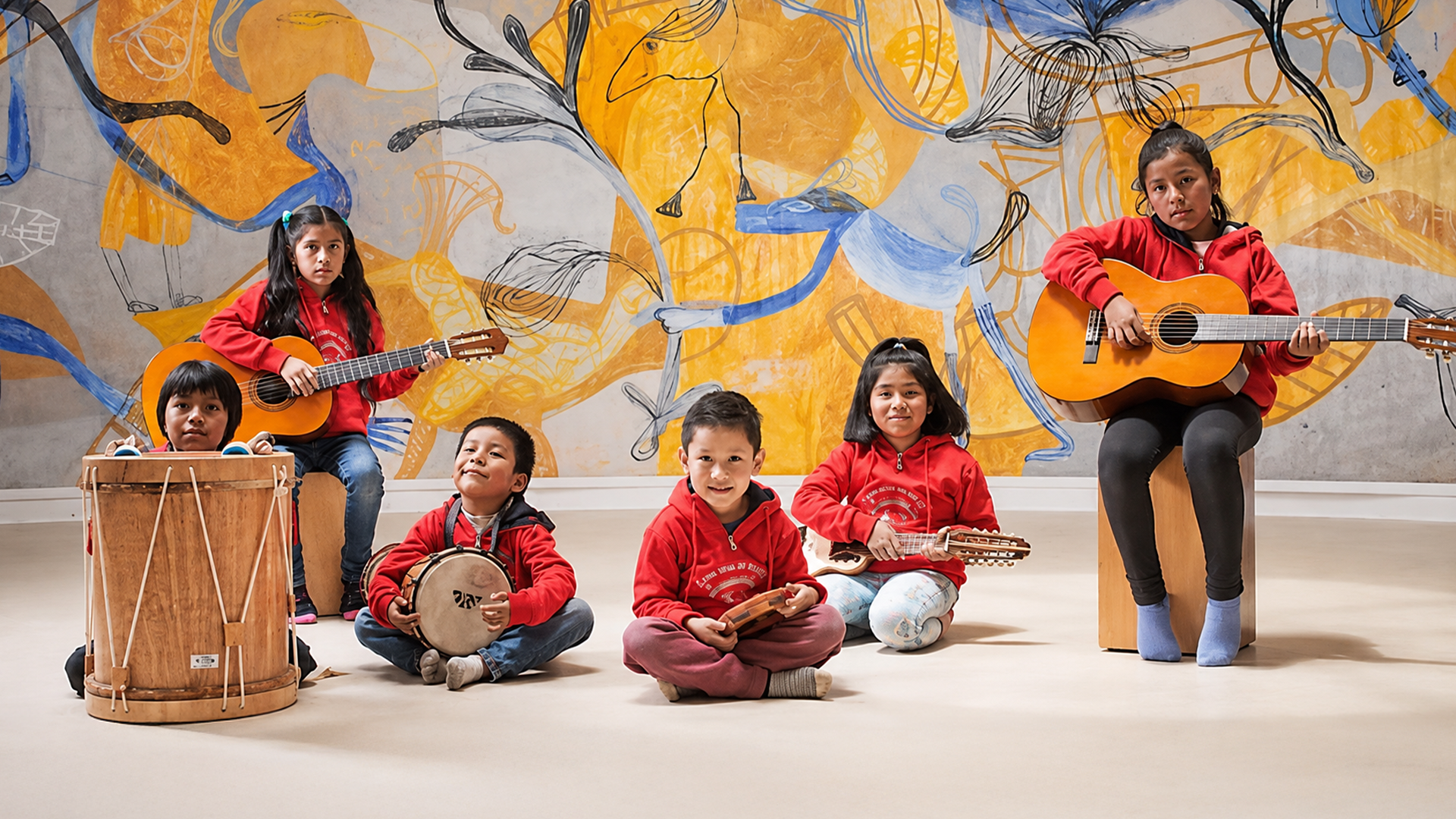
Community-based tourism
Environmental stewardship
Social responsibility
projectS
This project was particularly exciting because the client gave us a carte blanche. Do what you want to attract a new audience.

Some journeys begin long before reaching a destination. They are born in the way a territory is interpreted, in the ability to understand its rhythms, and in transforming every route into an experience designed to remain in memory. Each year, the global tourism industry gathers in spaces where these visions take shape, and where new ways of discovering the world begin to unfold. From 14 to 16 May, that meeting point comes to life once again at Peru Travel Mart, one of South America’s most significant platforms for those shaping the future of travel with sensitivity, perspective, and local expertise.

There is an architecture that seems to emerge from the very rock itself, defying time atop some of the most remote peaks of the Andes. Far from the traditional circuits of Cusco, Waqrapukara rises above the Apurímac Canyon like a crown of stone suspended between sky and mountain. For those seeking experiences capable of revealing the most authentic side of the Inca legacy, arriving here means discovering a territory where landscape, history, and adventure exist in perfect balance.

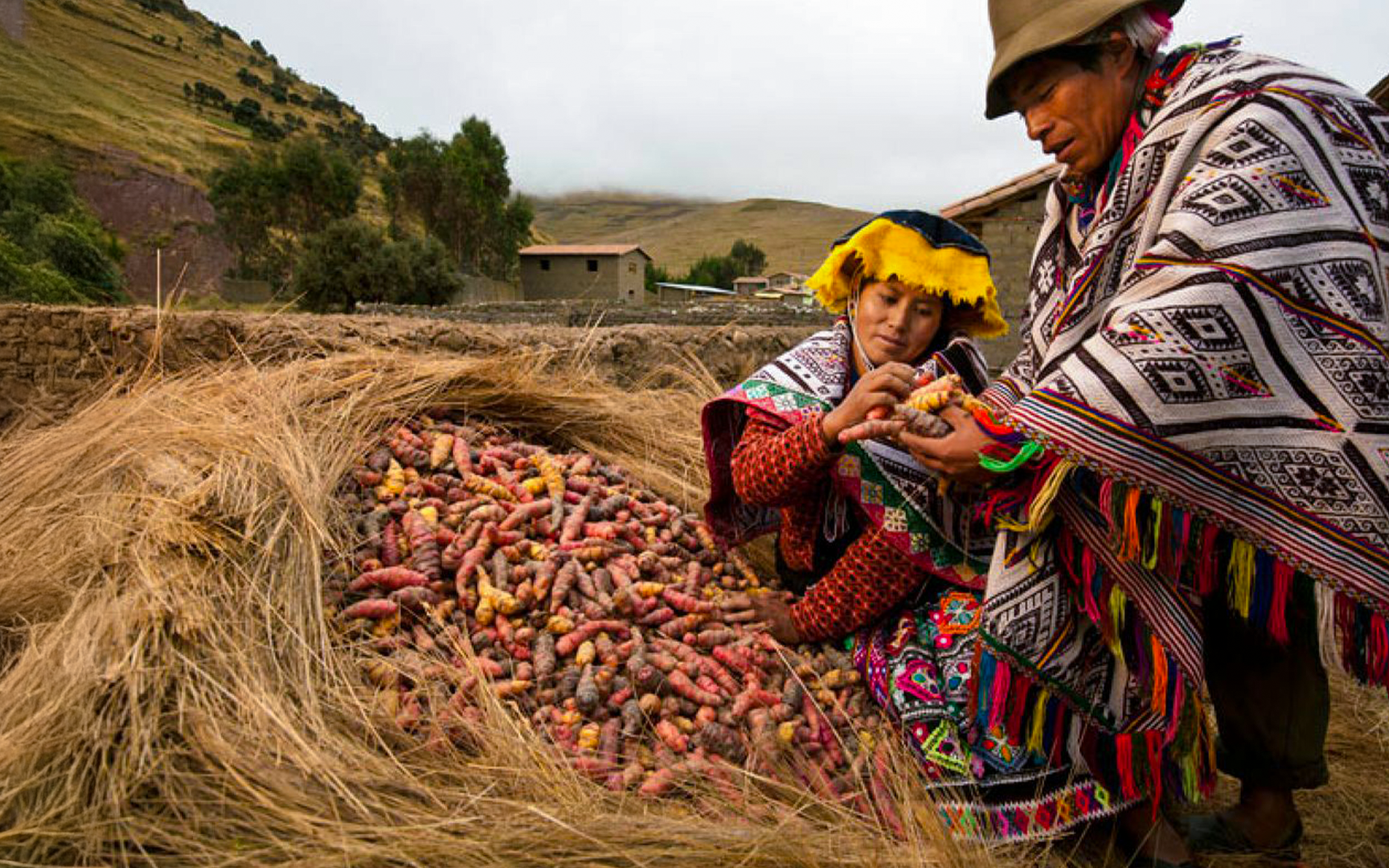
The richness of the Andean soil safeguards one of the world’s most extraordinary agricultural legacies. Long before conquering international kitchens and fine dining tables, the potato had already become an essential part of the relationship between humankind, the mountains, and the land in ancestral Peru. Today, with thousands of native varieties preserved through generations, celebrating its national day is also a tribute to a living heritage that continues to evolve, transforming an ancient ingredient into an expression of identity, territory, and sophistication.

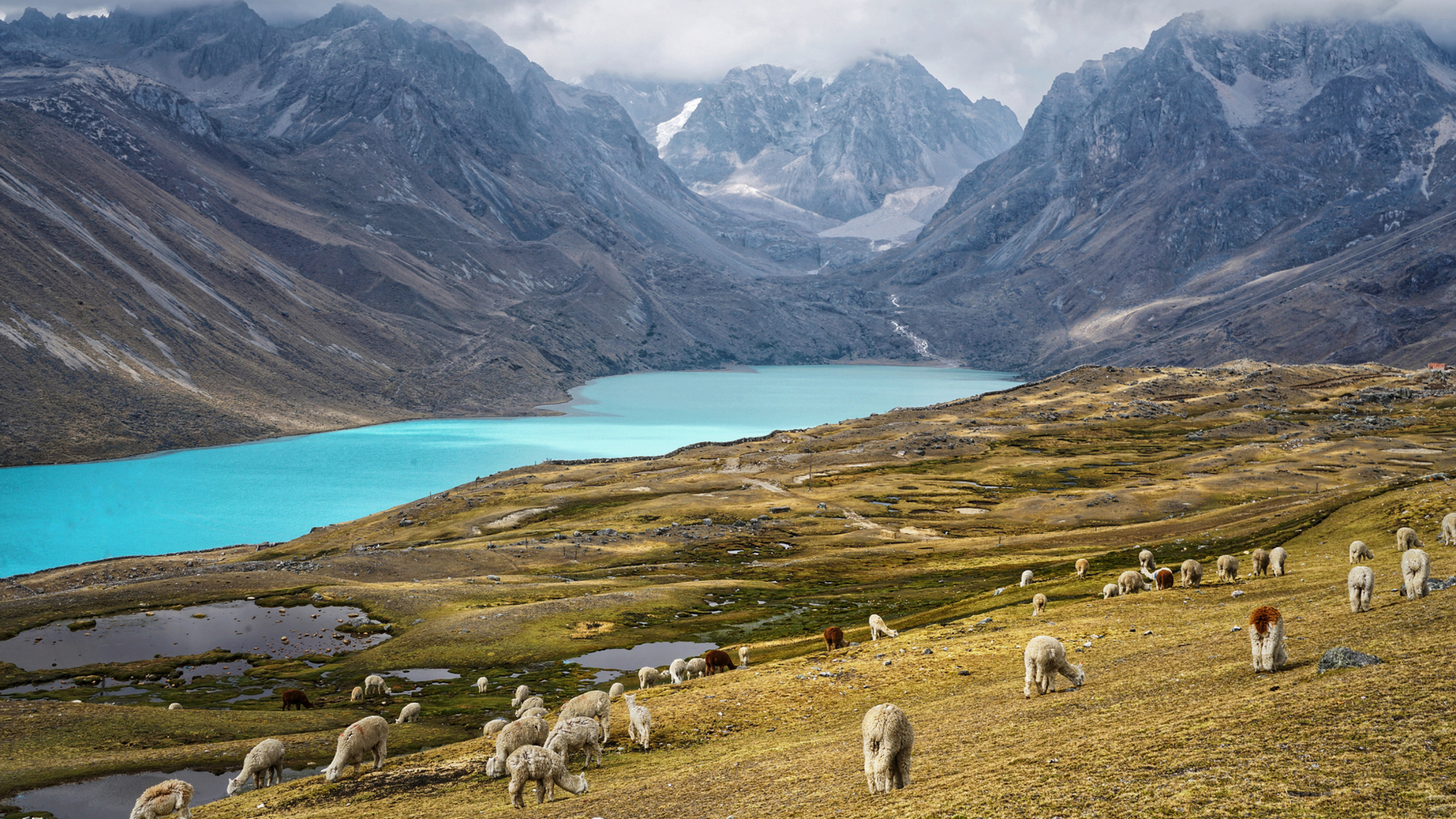
Every stream, waterfall, and lake offers a different way to interpret Peru. From the vast currents that cross the jungle to the mirrors of water suspended between mountains, following the course of its waters is to enter an ancient rhythm, where nature marks the time and every landscape seems to lead toward a greater discovery.

Every June, when winter begins to draw clearer mornings over the Andes, Cusco recovers an ancestral pulse. The ancient capital of the Inca world does not merely accompany the change of season: it realigns itself with a way of understanding the universe where time, nature, and the sacred are in constant dialogue. During these days, travel ceases to be just a geographic displacement and becomes an experience that connects past, landscape, and memory.

Peru reveals itself through the gaze of those who have translated it into form, color, and symbol. To travel through it is, in essence, to move across a work in constant construction. This reading begins with José Sabogal , who in the 1920s understood that identity should not be sought outward, but within the depth of one’s own roots. In his brushstrokes, the Andean face ceased to be invisible and became central. From that moment on, Peruvian art changed its direction.

A journey doesn’t begin upon arriving at a destination, but at the moment it starts to be imagined. At ITB China 2026, that process takes shape in an environment where new dynamics of international tourism are defined, growth opportunities are identified, and key connections between markets are built. Today, the Asian traveler is not only seeking to go far, but to understand. Within that drive, Peru presents itself not as a collection of icons, but as a narrative that unfolds in layers.

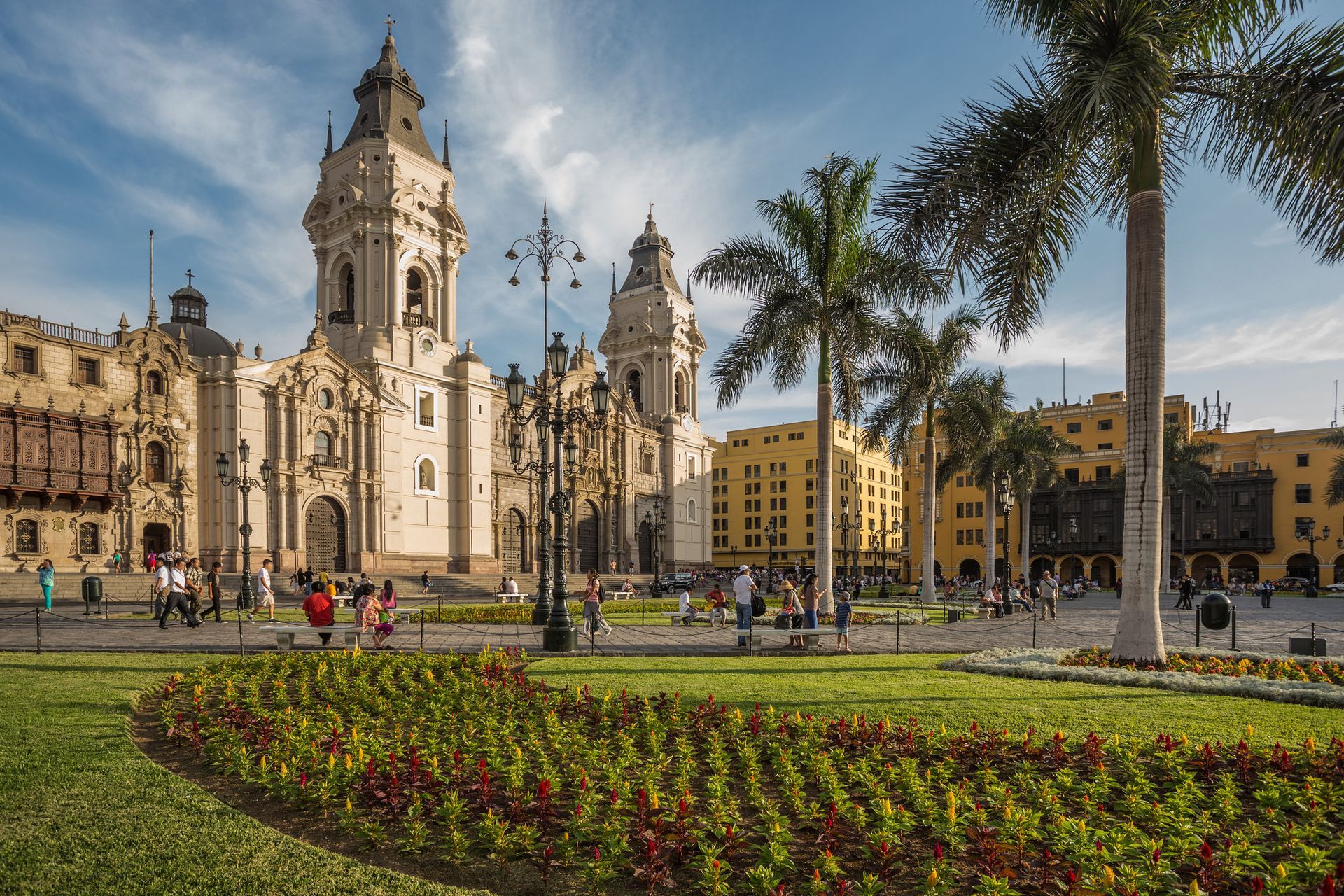
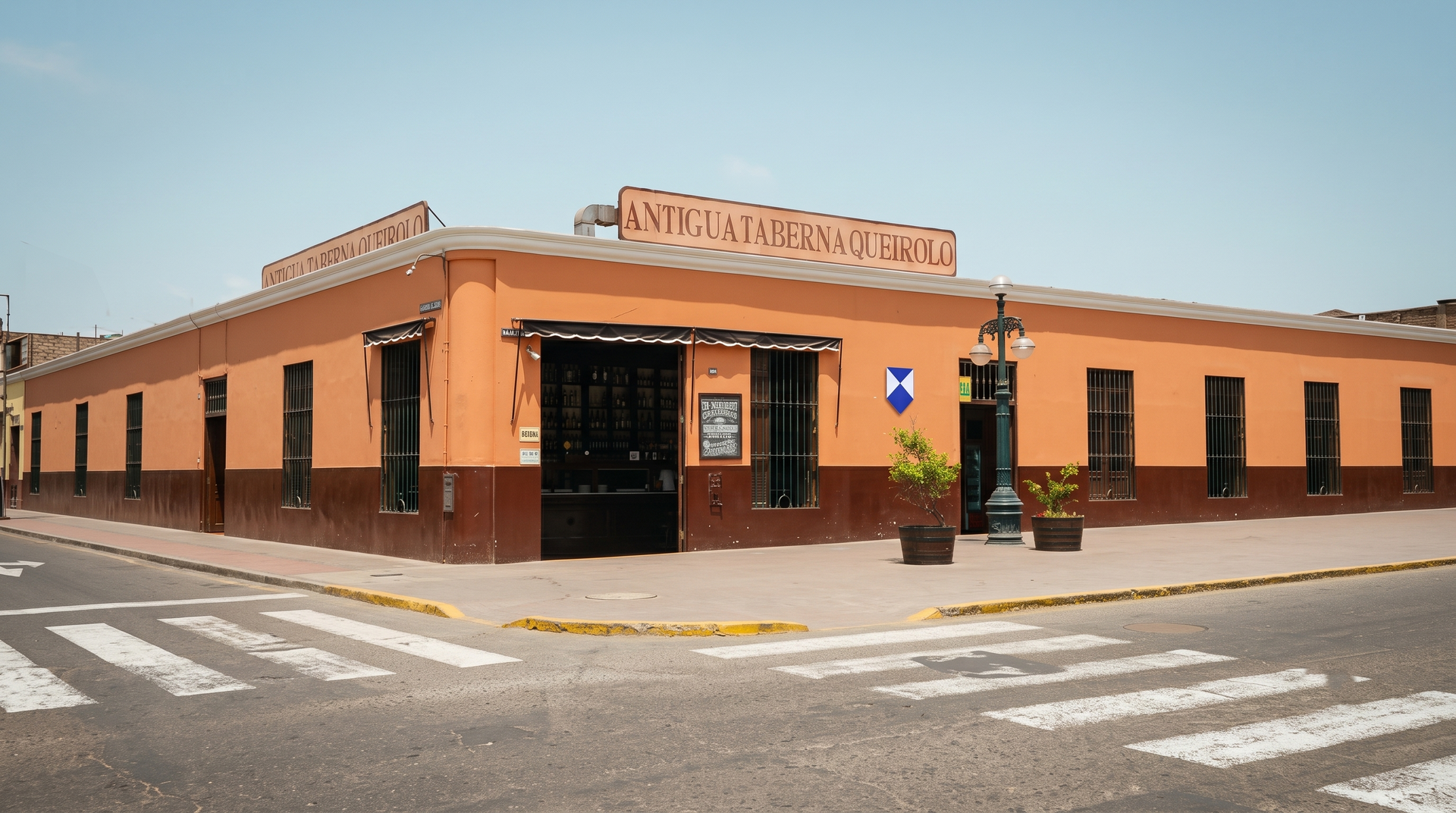
There are cities you explore with your eyes. Lima, instead, is understood through taste. In its Historic Center, where carved wooden balconies watch time go by, history is not limited to its churches or plazas. It unfolds in its kitchens, in a diversity that coexists effortlessly: from the most essential to proposals that reinterpret tradition. Here, every flavor is a way of understanding the city. The morning begins in its most authentic form. Amid constant movement and the unmistakable rhythm of downtown, the aroma of firewood marks the start at El Chinito . The pan con chicharrón is not just a classic—it is a daily scene repeated with precision, where crunchiness, the sweetness of sweet potato, and the freshness of salsa criolla create a balance that has endured over time. It is the perfect starting point: direct, honest, deeply Limeño.

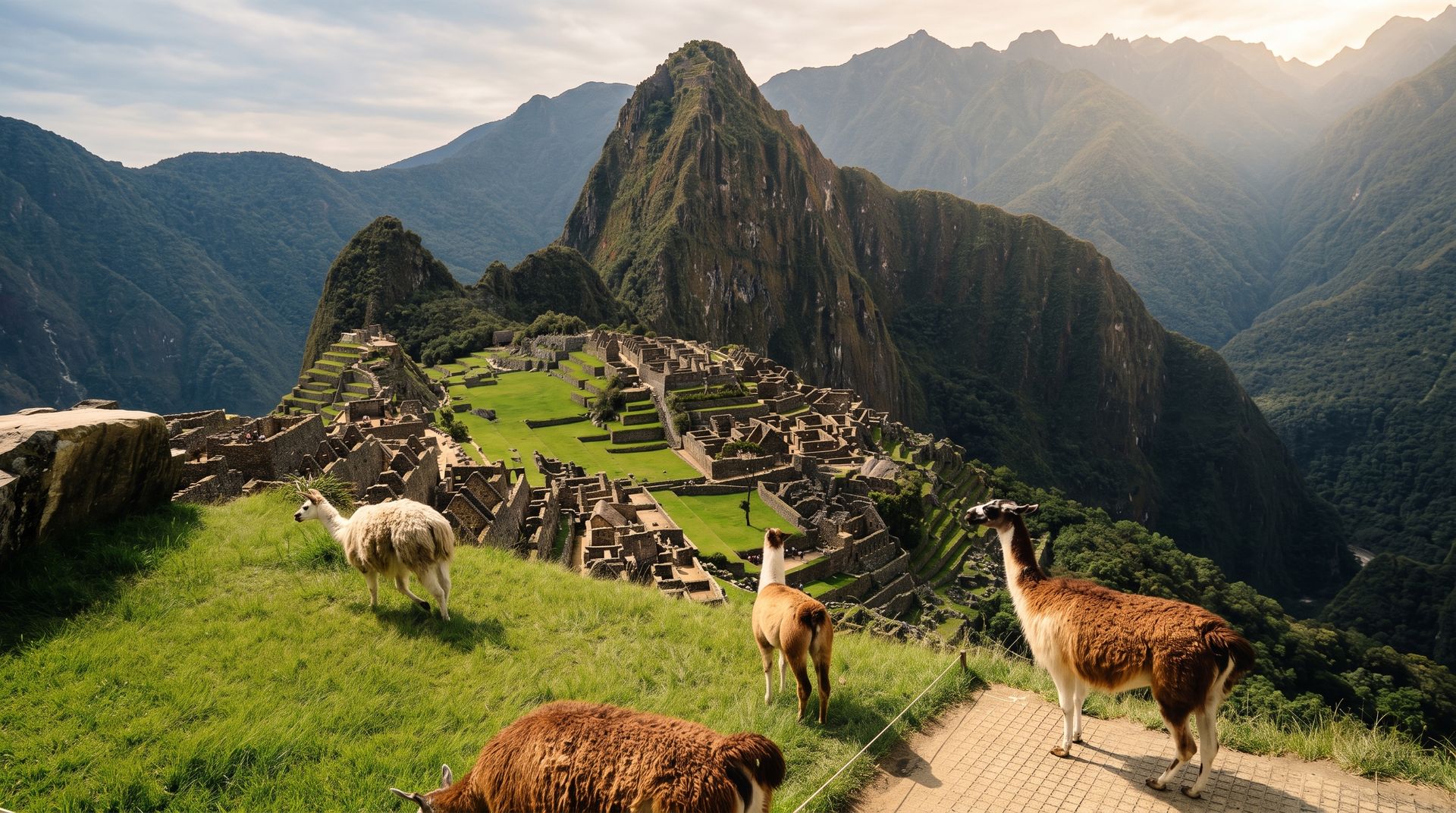
Traversing deep valleys, mountain rivers, and vast plateaus, Peru's trains journey through some of the Andes' most breathtaking landscapes. Today, these routes are experienced as a destination in themselves, where the way you traverse the territory reveals just as much as the final stop. From Cusco to Machu Picchu, the journey follows the course of the Urubamba River, descending from the Sacred Valley toward the cloud forest on a route where the landscape constantly changes. Agricultural terraces, Andean villages, and lush slopes accompany the journey, anticipating the arrival at the Inca citadel.