Potato Day: The Andean Origin Transforming Peru’s Gastronomy
The richness of the Andean soil safeguards one of the world’s most extraordinary agricultural legacies. Long before conquering international kitchens and fine dining tables, the potato had already become an essential part of the relationship between humankind, the mountains, and the land in ancestral Peru. Today, with thousands of native varieties preserved through generations, celebrating its national day is also a tribute to a living heritage that continues to evolve, transforming an ancient ingredient into an expression of identity, territory, and sophistication.
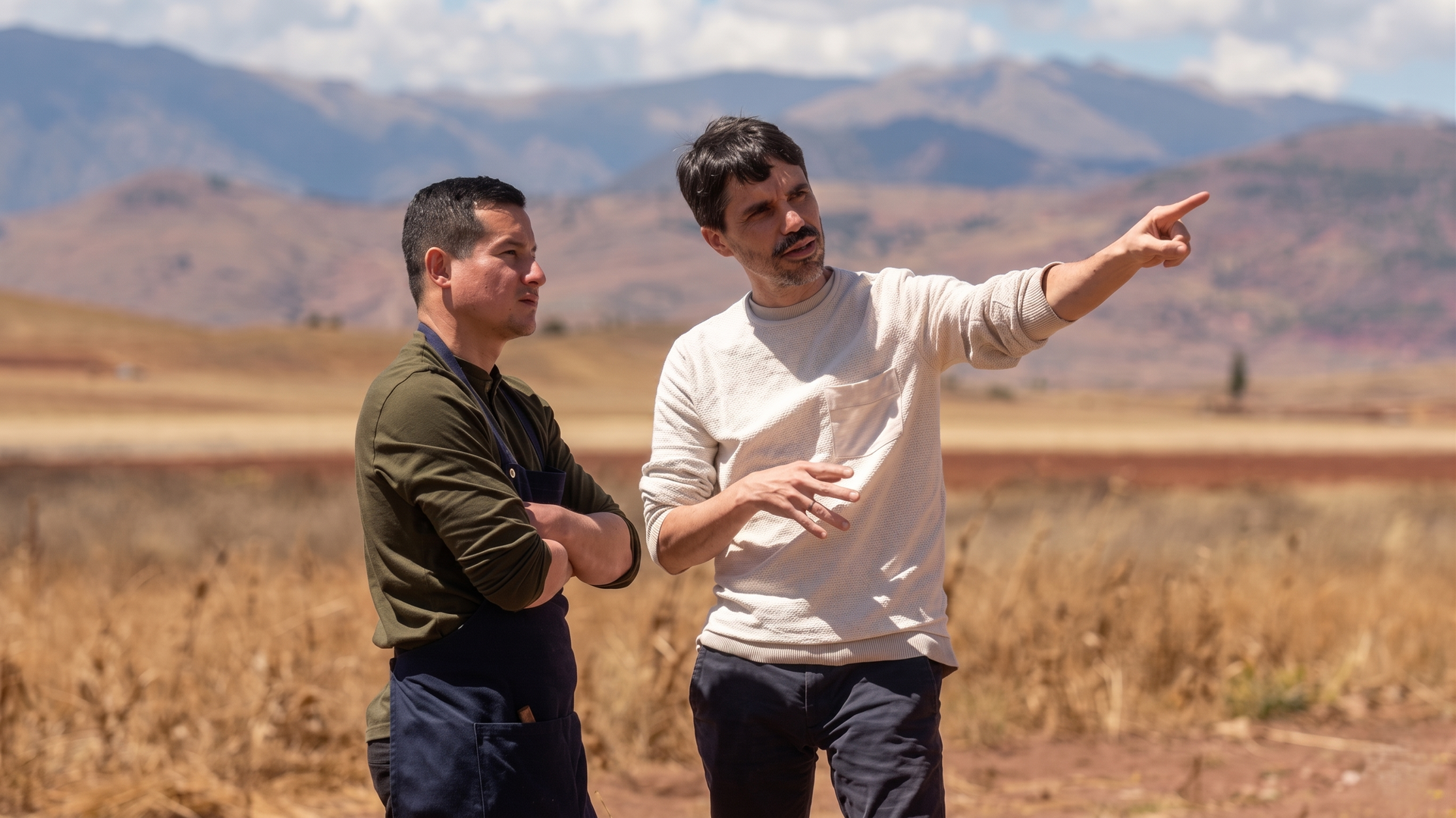
To truly understand this story is to ascend into the Andes, where the landscape seems to explain the origin of this diversity on its own. In Cusco, before the circular terraces of Moray—an ancient agricultural experimentation centre—the surroundings reveal how every altitude, every microclimate, and every variation in the soil helped shape a richness unlike anywhere else in the world.
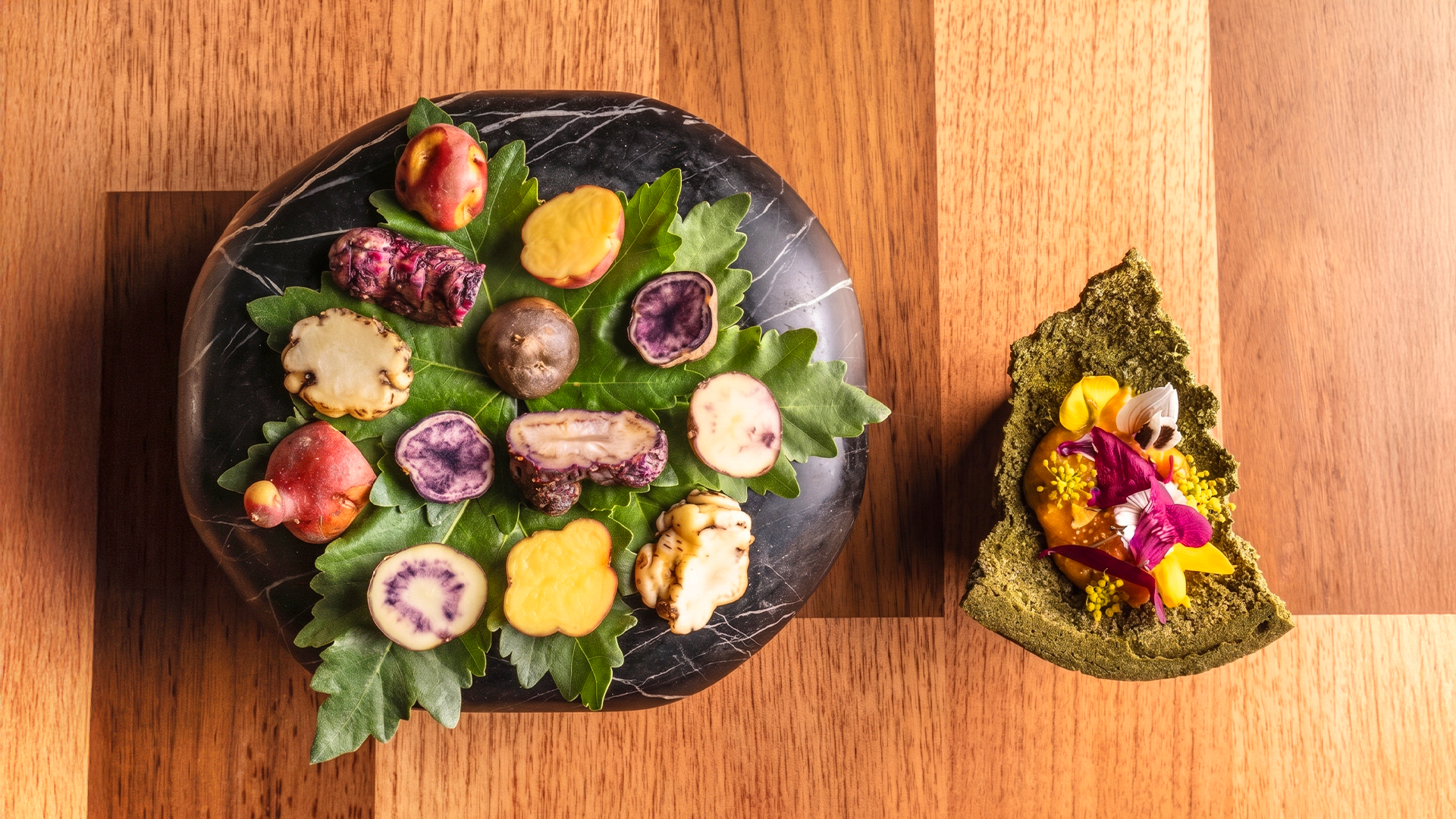
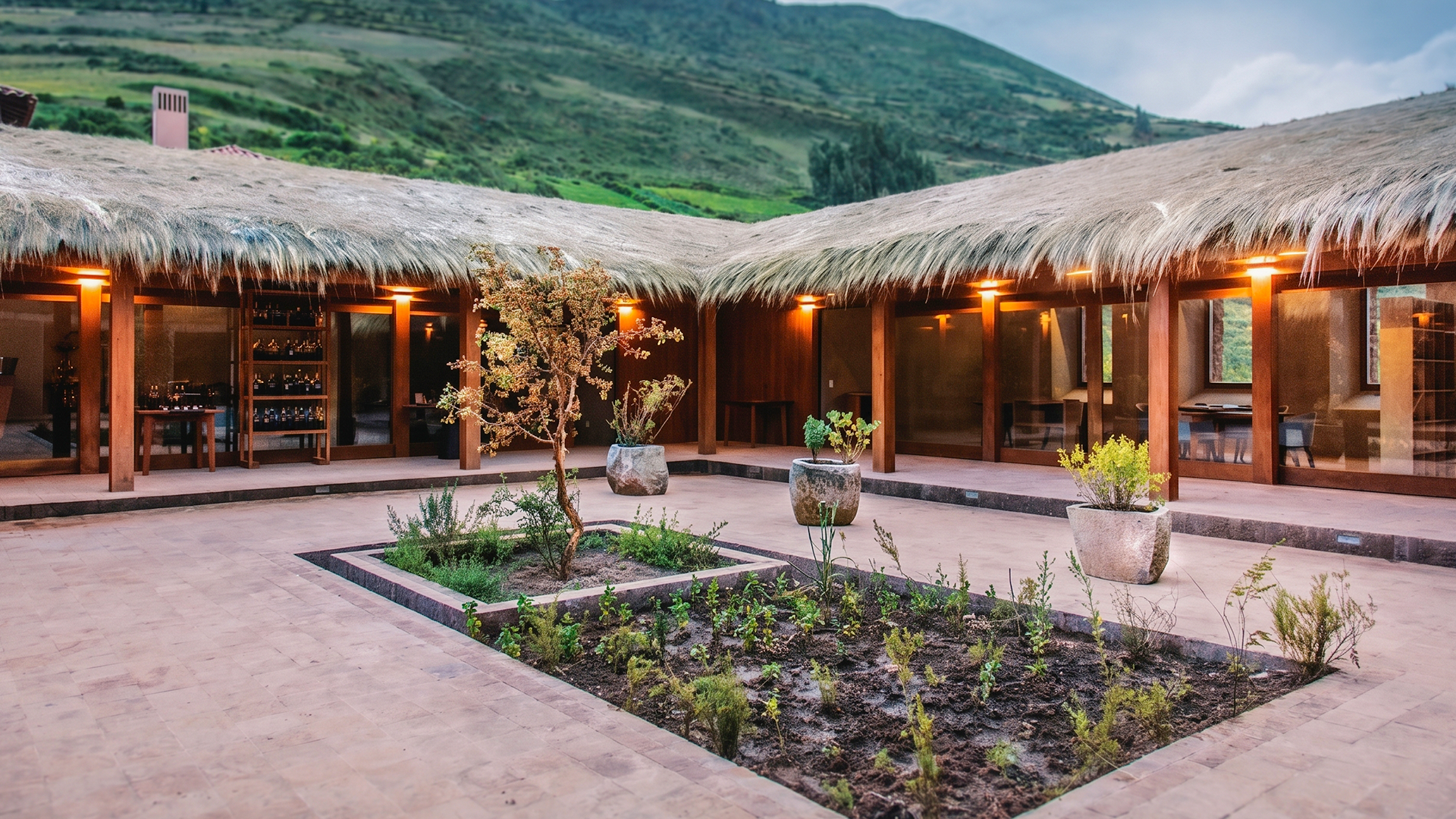
It is within this context that experiences such as MIL Centro, a project led by Virgilio Martínez, offer an immersive journey where every ingredient is in dialogue with its ecosystem. There, tasting native potatoes cooked using the ancestral huatia technique goes far beyond the act of dining: it becomes a discovery of the character of altitude in every texture, the connection between product and environment, and the memory of the communities that have preserved this knowledge over time.
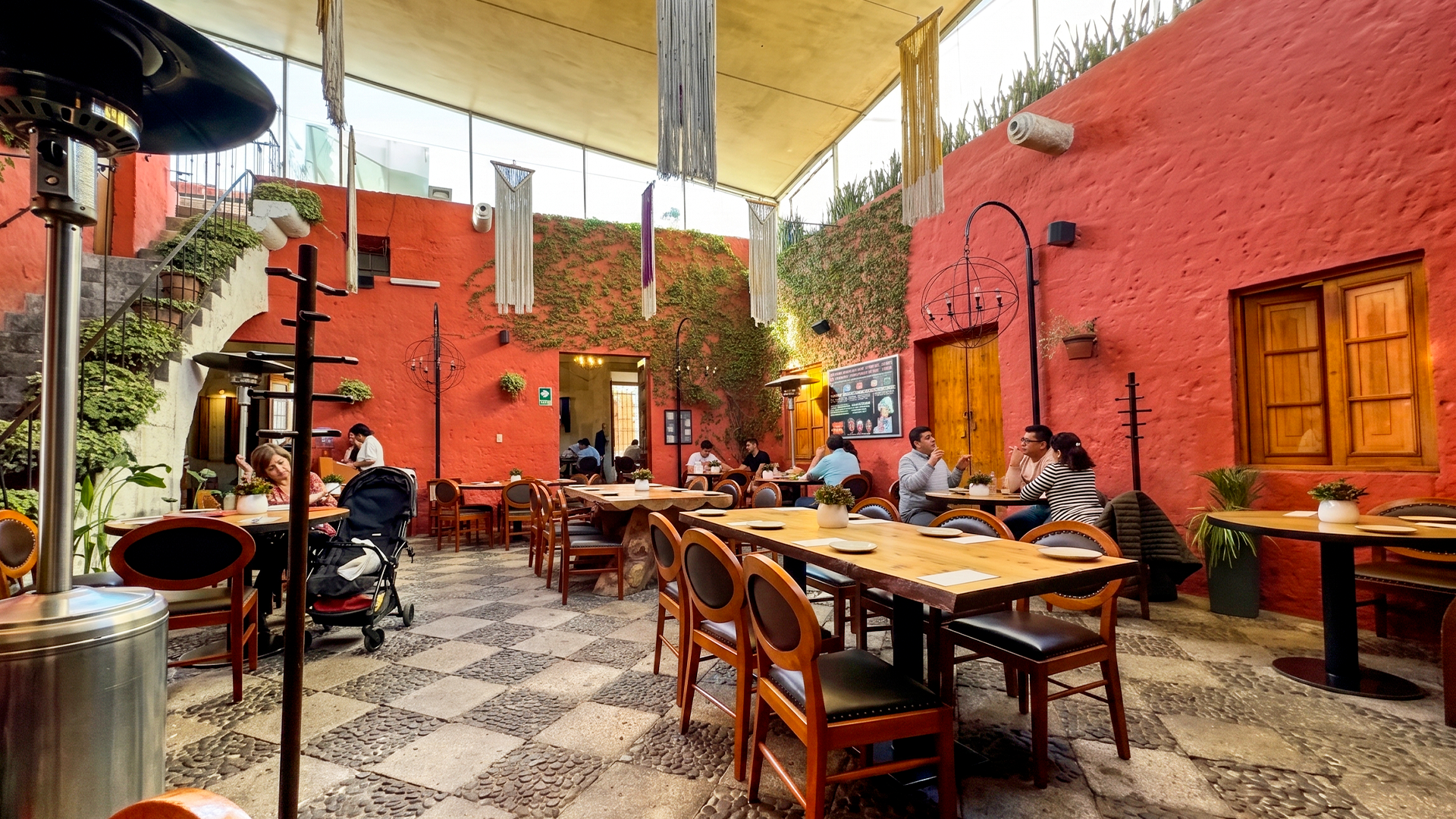
Following this route southward, the journey finds a new expression in Arequipa, where the picantería tradition reveals another dimension of the same legacy. At Chicha, conceived by Gastón Acurio, regional potatoes are naturally woven into recipes that preserve the intensity of local cuisine. In this setting, where the city’s sillar architecture and unhurried rhythm enrich the experience, each dish connects past and present without losing its authenticity.
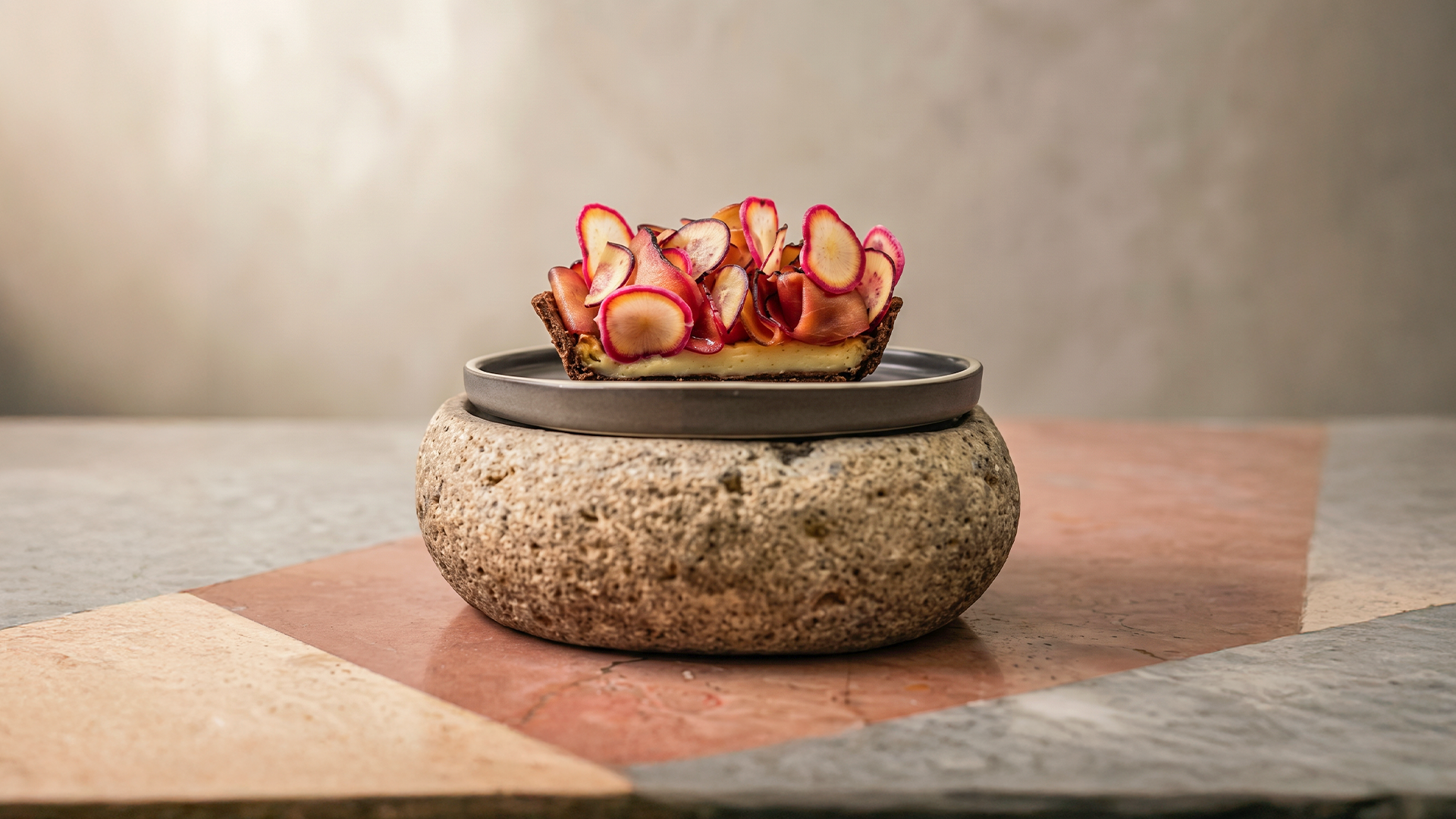
The journey continues towards the coast, where Lima becomes a space for reinterpretation. At Kjolle, under the vision of Pía León, Andean tubers are transformed into a contemporary exploration of colours, forms, and nuances. Here, the potato ceases to be merely an ingredient and becomes a creative language that expresses territory, biodiversity, and technique.
Along this journey, gastronomy reveals something deeper: to travel through Peru by way of its flavours is also to travel through its geography. From the highlands where native varieties are born to the tables where they are reinterpreted, every preparation becomes an act of continuity.
Celebrating Potato Day is, at its essence, recognising that some ingredients do more than nourish—they tell stories. And in Peru, those stories continue to evolve, keeping alive a legacy expressed through every landscape, every kitchen, and every experience that lingers long after the final bite.