Inti Raymi: The ceremony that keeps the Andean legacy alive
Every June, when winter begins to draw clearer mornings over the Andes, Cusco recovers an ancestral pulse. The ancient capital of the Inca world does not merely accompany the change of season: it realigns itself with a way of understanding the universe where time, nature, and the sacred are in constant dialogue. During these days, travel ceases to be just a geographic displacement and becomes an experience that connects past, landscape, and memory.
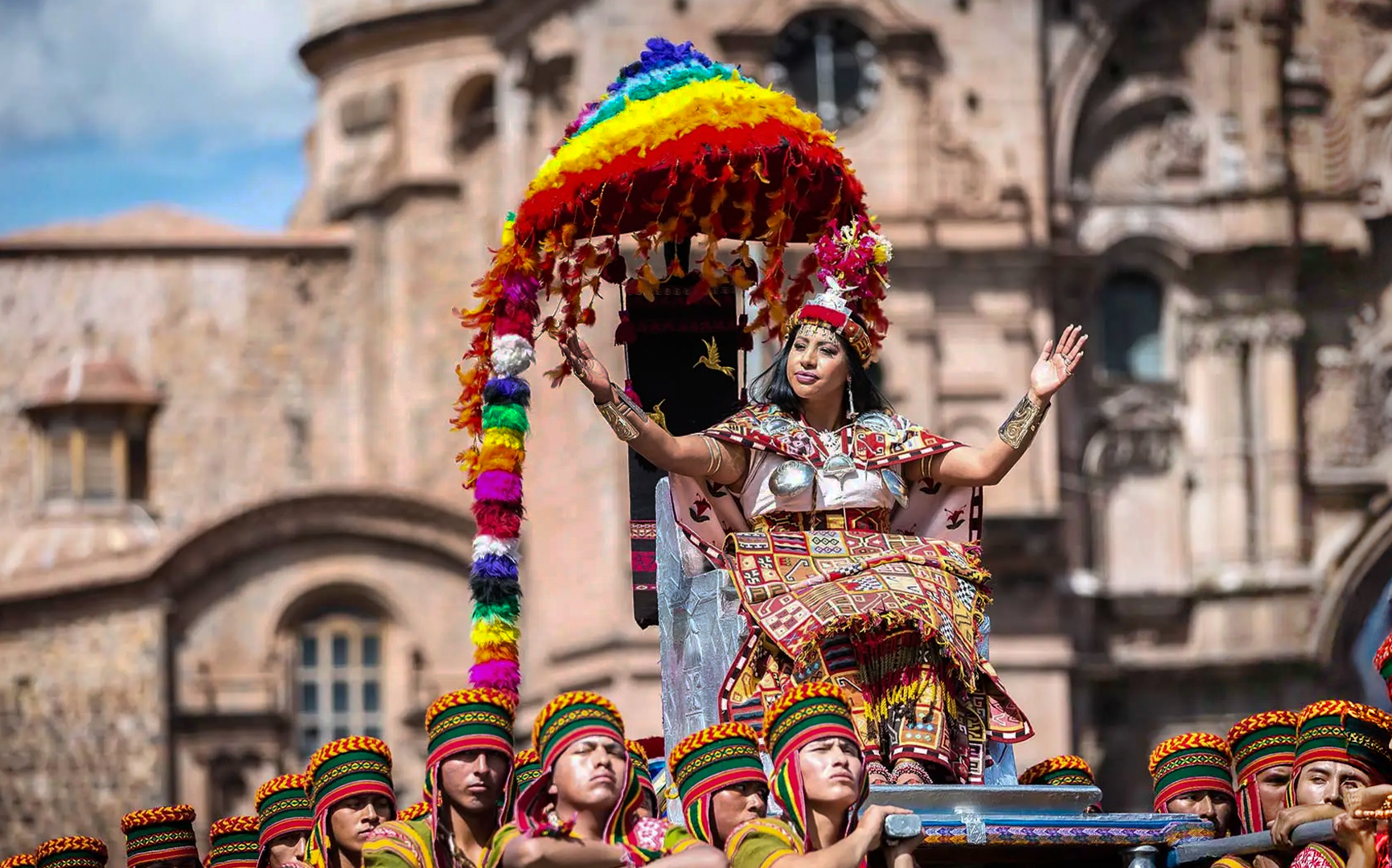
In the prelude to Inti Raymi, the city begins to transform in a subtle but unmistakable way. The cobblestone streets take on a different rhythm, marked by traditional music, the intense colors of Andean textiles, and the constant movement of those preparing for one of the most significant celebrations of the Andean calendar. The cold, transparent air of the Cusco morning envelops every journey with a particular clarity, as if everything were announcing the arrival of a greater moment.
A ritual that transcends time
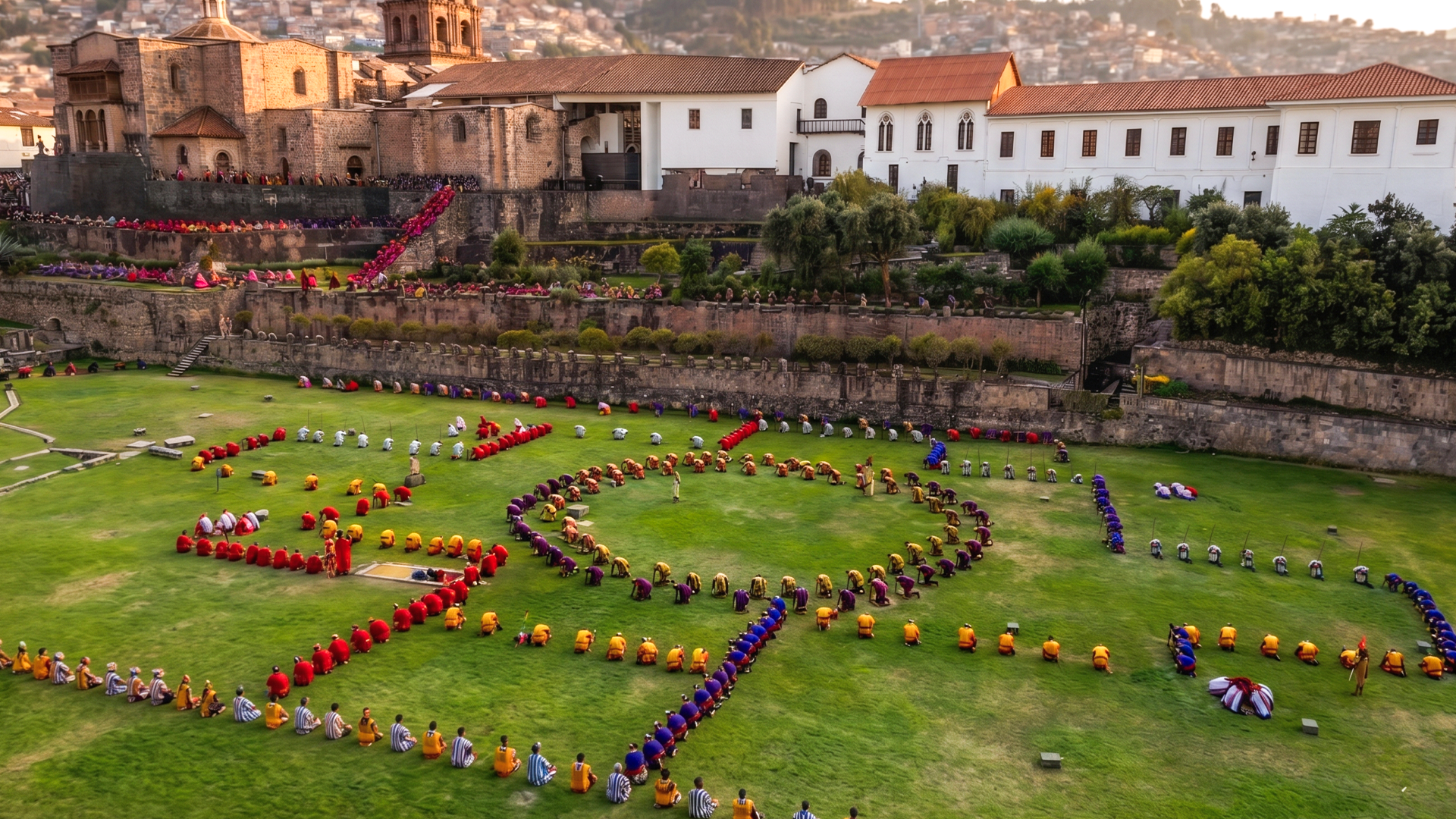
When the central day finally arrives, Cusco seems to orient itself toward a single energy. From the sacred walls of the Qorikancha, the ancient temple dedicated to the sun, the ceremony begins to unfold like a living narrative that traverses the city and ascends to Sacsayhuamán. Throughout this journey, the deep sound of the pututus echoes through the mountains, marking the beat of a tradition that has managed to remain present through the centuries.
What is witnessed is not just a performance, but the continuity of a tradition that dates back to the heart of the Tahuantinsuyo. Its establishment is attributed to the Inca Pachacútec, who established this celebration as one of the most important rituals of the Andean calendar, marking the end of one agricultural cycle and the beginning of a new one.
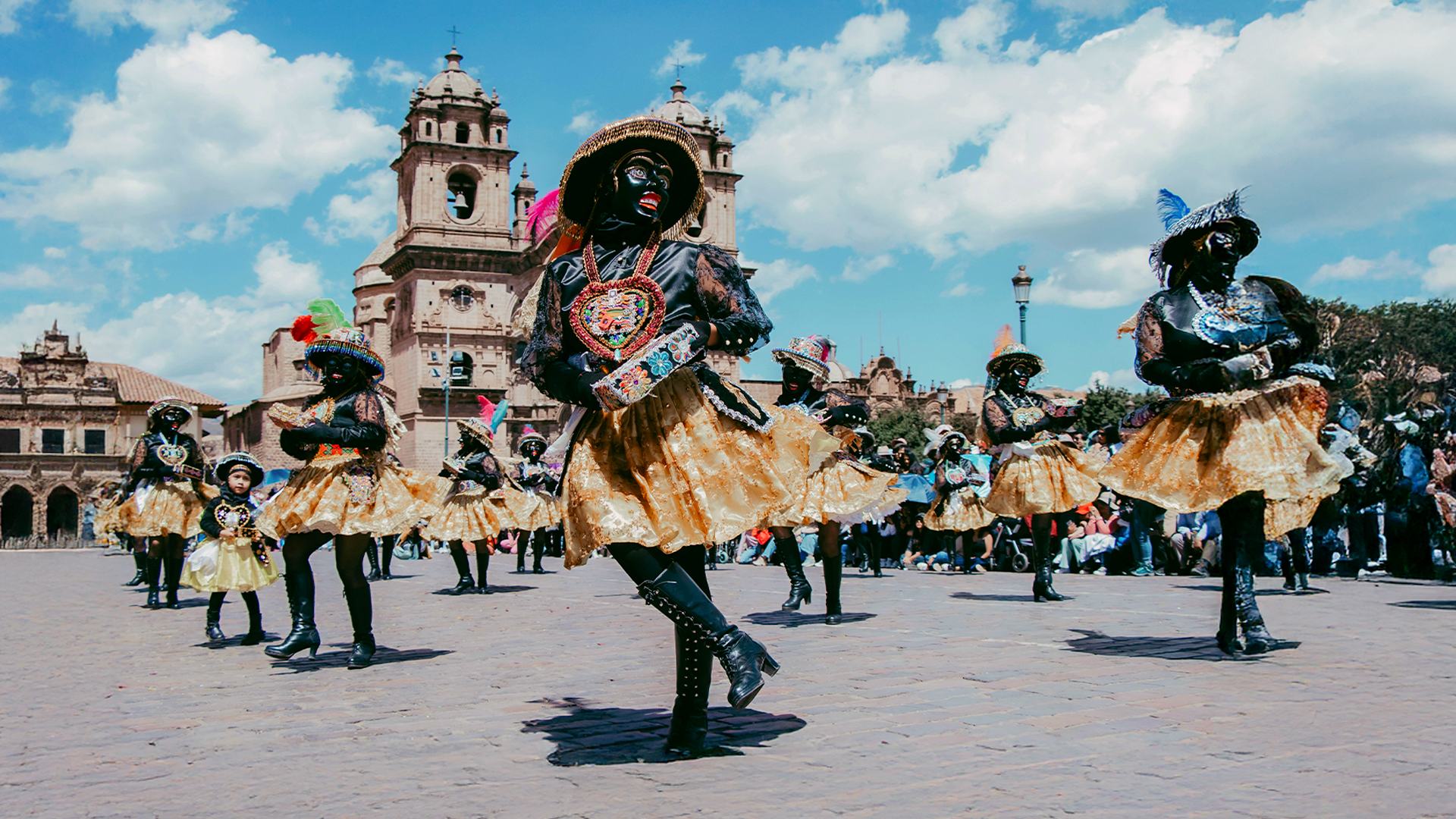
Every June 24th, coinciding with the winter solstice in the southern hemisphere, Inti Raymi honors the Apu Inti, the Sun God, at a time when the light slowly begins to return. In the times of the empire, this festival gathered thousands of people from the four suyos—Collasuyo, Contisuyo, Antisuyo, and Chinchaysuyo—in the great Haucaypata square, today Cusco’s Plaza de Armas, consolidating its character as a collective meeting and renewal.
The celebration, which originally lasted several days and drew tens of thousands of people, remains alive today through a meticulous representation involving hundreds of actors, musicians, and dancers. Across iconic settings like the Qorikancha, the Plaza de Armas, and Sacsayhuamán, the ritual reconstructs a narrative that remains deeply meaningful today.
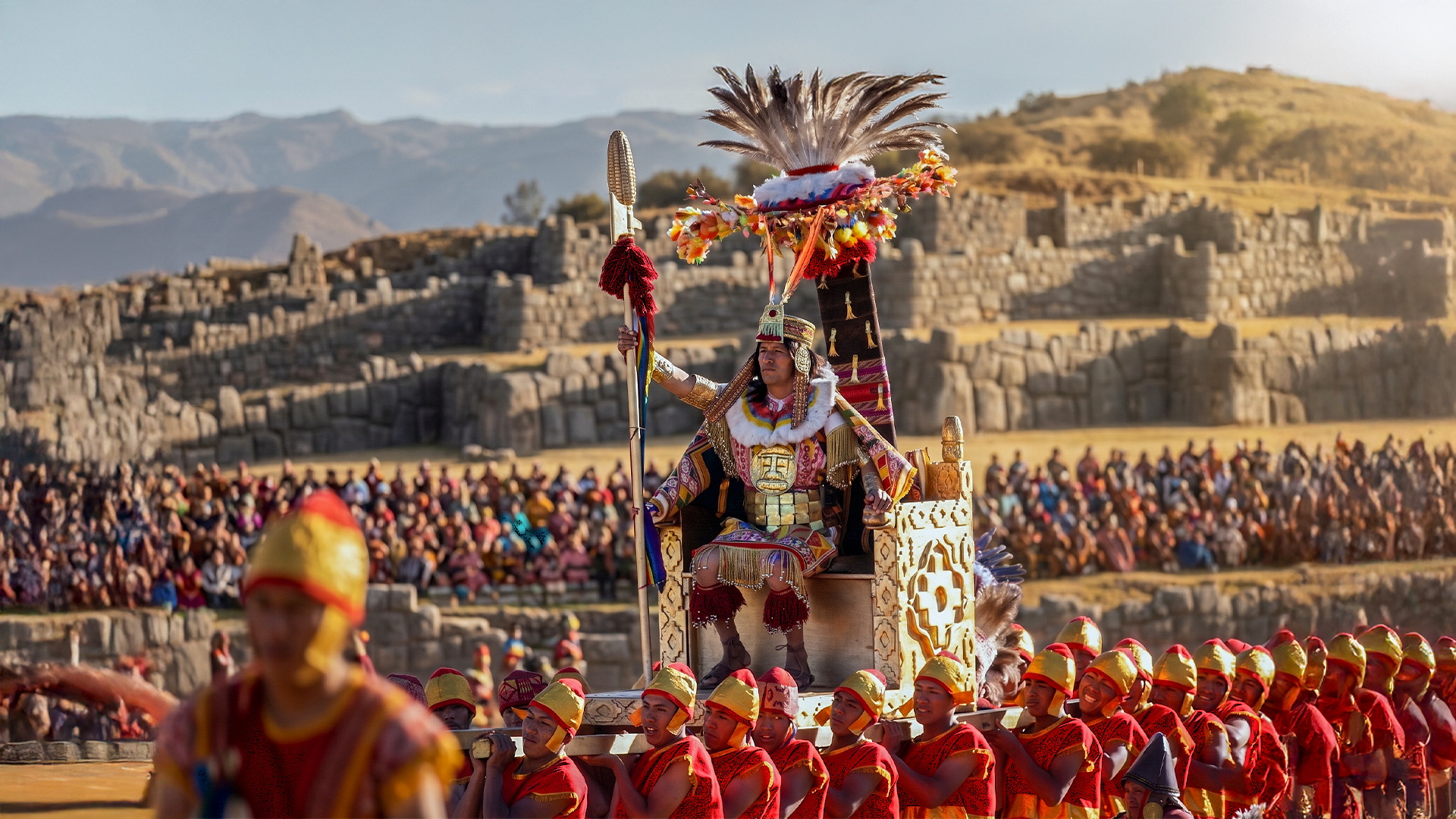
The arrival at the great esplanade gives way to one of the most breathtaking moments of the experience. Against the vastness of the archaeological landscape, the Quechua chants, ceremonial movements, and the golden glints of the costumes integrate with the surroundings, creating a scene where history and the present meet naturally.
Under the Andean sun, among millennial stones and sacred mountains, the traveler understands that experiencing Inti Raymi is not just witnessing a celebration. It is approaching a way of understanding the world where time is not measured only in dates, but in cycles; where nature is not a backdrop, but the origin; and where the legacy remains alive in every gesture, every sound, and every gaze.
👉 Discover our exclusive programs to experience the majesty of Cusco with VIPAC Travel:
https://www.vipac.travel/en-gb/tour/6-days-exploring-cusco-sacred-valley-machu-picchu