
Santa Rosa de Lima: a living tradition in the heart of the city
Every August 30, thousands of letters arrive at the same place in the Historic Center of Lima. Written with wishes and requests, they are deposited in the traditional Well of Wishes of the Sanctuary of Santa Rosa, keeping alive one of the most well-known customs of this date.
Behind this gesture there is a story that began more than four centuries ago and that can still be discovered by touring some of the most emblematic places in the capital. Getting to know it allows you to get closer not only to the figure of Santa Rosa de Lima, but also to a city where the viceregal heritage, traditions and contemporary life continue to meet.
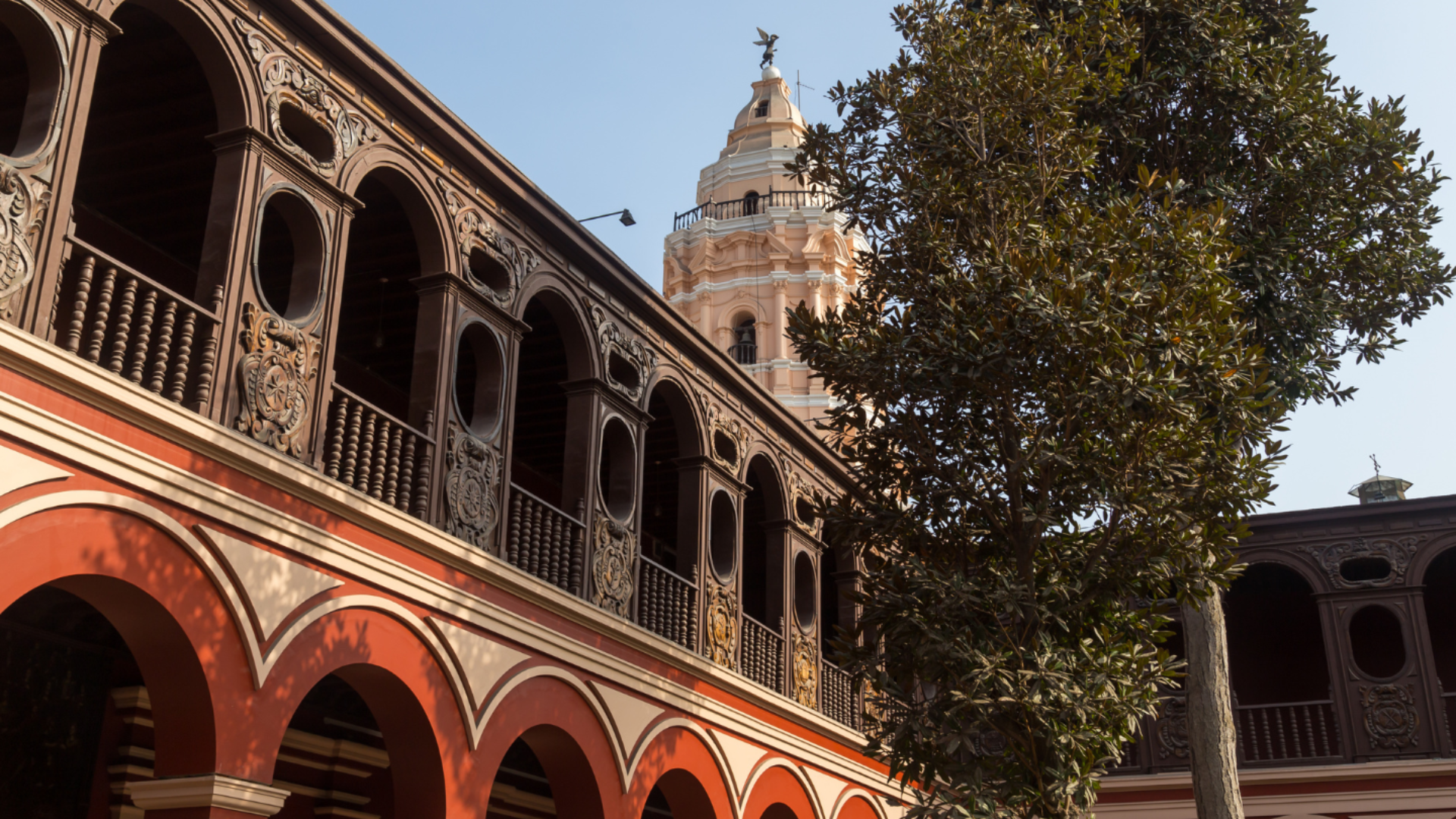
In the footsteps of seventeenth-century Lima
To understand the origin of this tradition, we must return to a capital very different from the current one. During the seventeenth century, churches, convents and houses were part of a growing urban environment, while European customs coexisted with expressions developed in American territory.
In this context Isabel Flores de Oliva grew up. His life was spent in a Lima where spirituality had an important presence and was part of many of the customs of the time.
Today, the Sanctuary of Santa Rosa allows you to get closer to part of that past. There are places associated with his life and the garden that houses the well-known Wishing Well. Every year, especially around August 30, the letters fill this space again and connect a long-standing custom with those who continue to participate in it today.
It is precisely this continuity that makes the sanctuary more than just a historical place: it allows us to observe how a tradition born centuries ago remains integrated into the life of the capital.
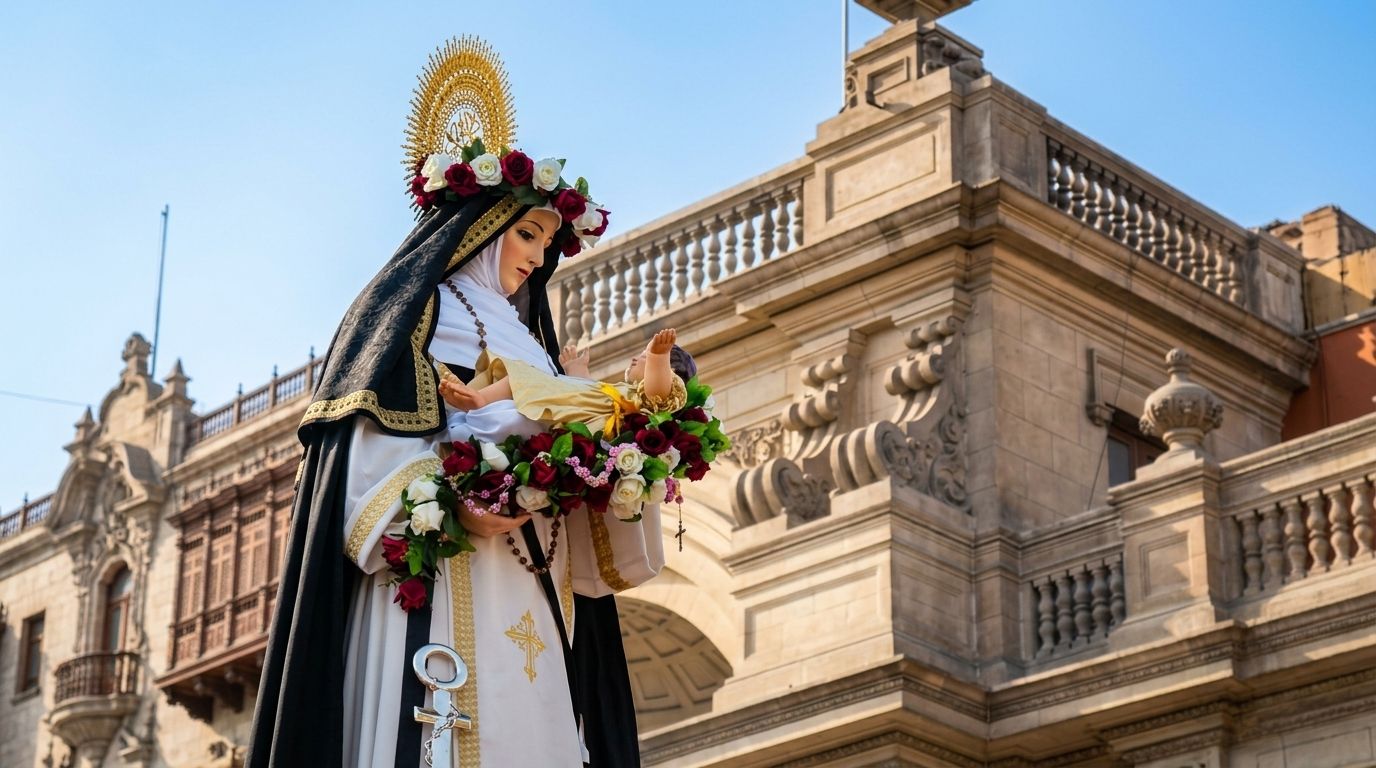
A tour of the Historic Center
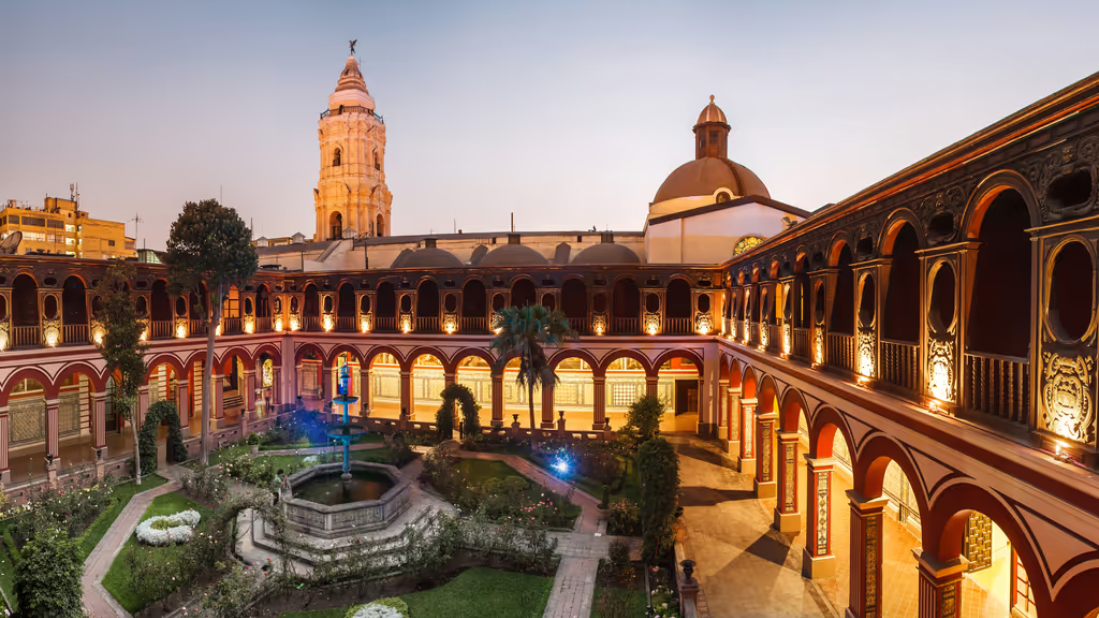
From the sanctuary, this look at the past extends to other references of Lima's heritage. The Basilica and Convent of Santo Domingo, linked to the Dominican tradition of which Isabel Flores de Oliva was a part, is one of them.
Its cloisters and environments allow us to understand the importance that these enclosures had during the viceregal period and to discover one of the architectural expressions that still distinguish the Historic Center.
The Cathedral of Lima also takes center stage during the celebrations of August 30. Around the central date, religious acts and the traditional procession take the commemoration to the streets, incorporating some of the monumental stages of the center into a cultural manifestation that remains in force.
For those who visit Lima during these dates, the celebration offers a different perspective of the destination. Heritage ceases to be only part of the urban landscape and becomes the scene of a tradition that continues to bring together thousands of people.
A Lima tradition that transcended borders
With the passage of time, the figure of the Lima saint reached an international dimension. He was the first person born in America to be canonized by the Catholic Church, a fact that explains part of the relevance that his name acquired beyond Peru.
But it is in his hometown where that legacy takes on a particularly close dimension. The sanctuary, Santo Domingo and other places in the Historic Center allow you to discover the cultural and architectural context of the time in which he lived and, at the same time, observe how much of that past is still present in the capital.
Thus, a celebration linked to a seventeenth-century character also becomes an opportunity to look at Lima from another perspective: through the customs it has preserved and the heritage that continues to be part of its identity.
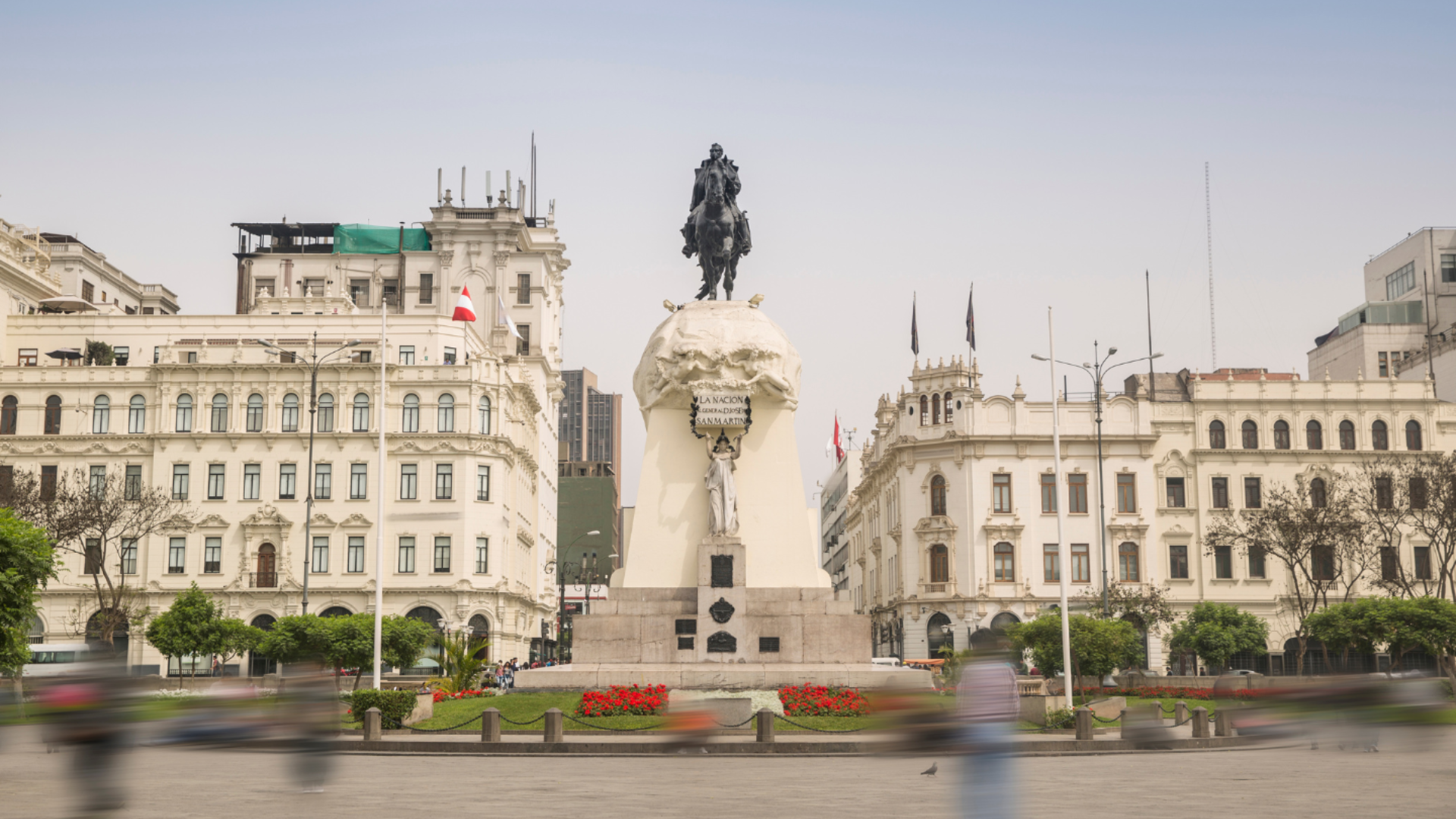
Another way to discover Lima
August 30 is a special time to get closer to this tradition, but this side of the capital can be discovered all year round.
Touring its historical places allows you to get to know a different Lima, where churches, convents and viceregal buildings coexist with the rhythm of a contemporary metropolis. It is precisely this contrast that allows us to find different eras in the same journey.
A card deposited in the Wishing Well can be the beginning. From there, the Historic Center opens a door to centuries of architecture, customs and characters that continue to be part of the city.
Discovering them is also an invitation to look beyond Lima beyond its best-known places and get closer to the stories that continue to give life to its heritage.