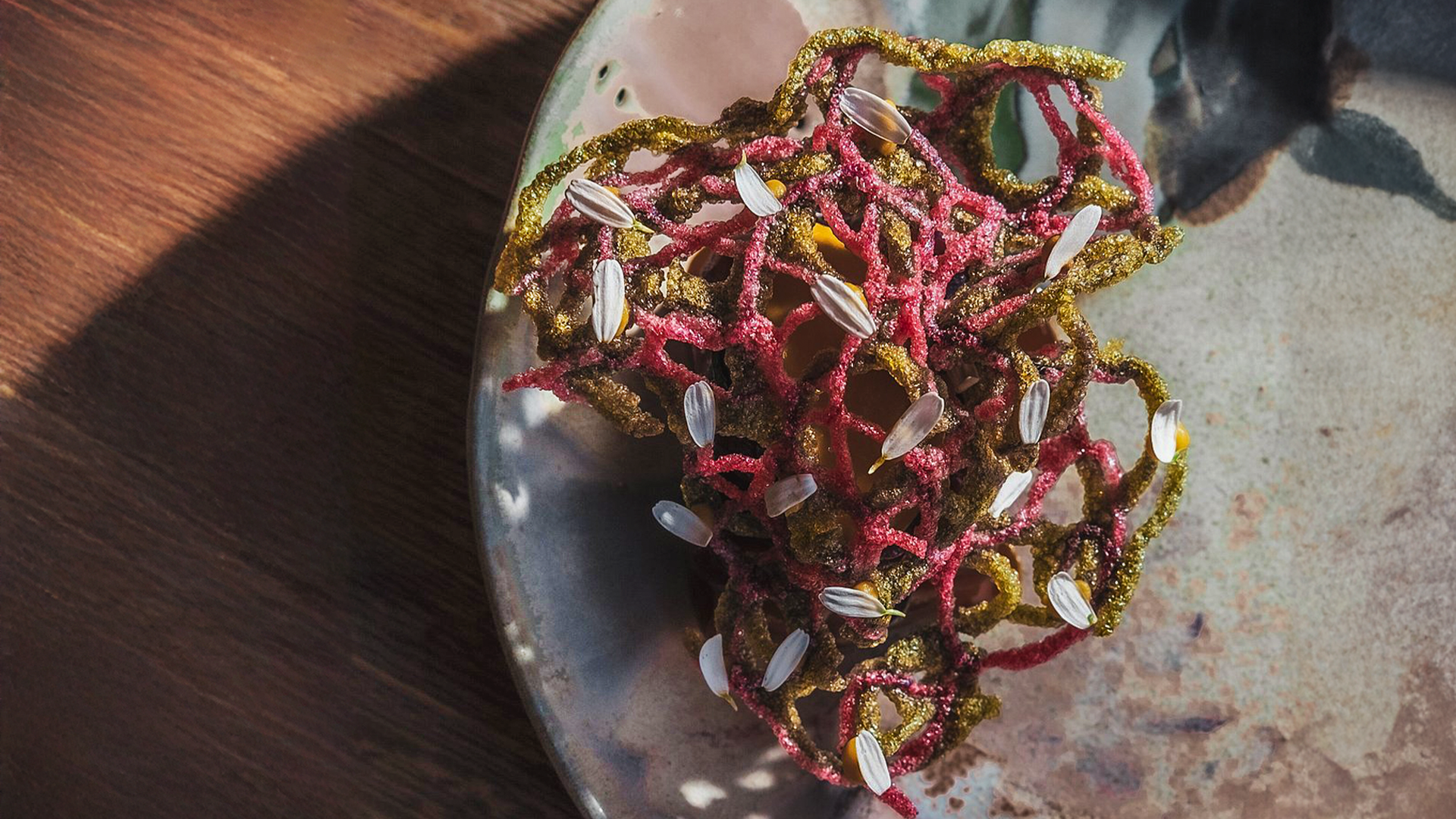
Peru through its flavors: a journey between territories, ingredients and tradition
Behind the flavors of Peru there is an extraordinarily diverse geography. The valleys that cross the Andes, the natural wealth of the Amazon and the products that arrive from the coast have shaped cuisines closely linked to each environment and to the knowledge developed around them.
This relationship between origin, product and culture finds new forms of expression in Peruvian gastronomy today. The Somos Awards offer an opportunity to get closer to some of them, recognizing proposals that value the origin of the ingredients and cultures that have shaped the Peruvian table.
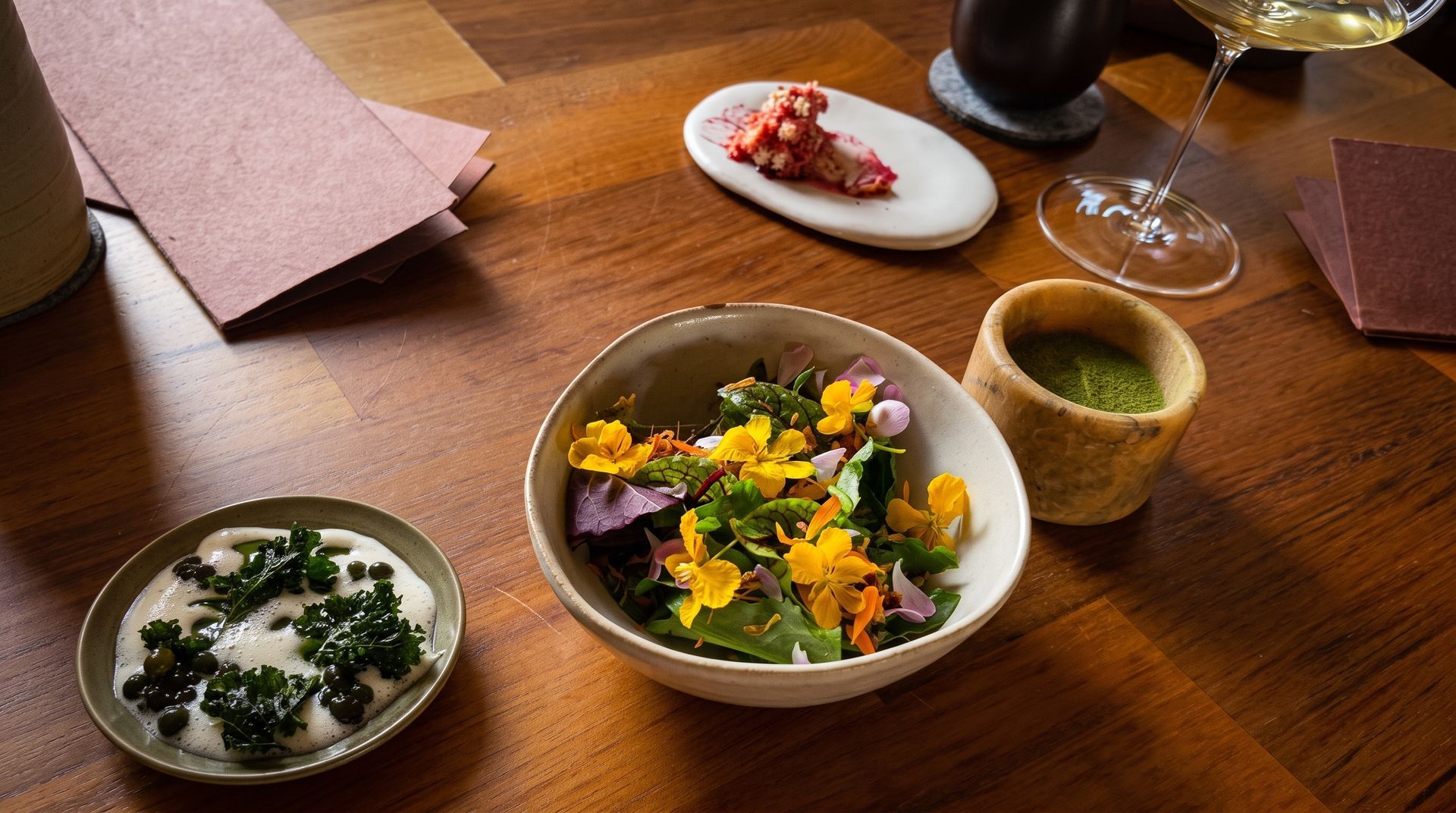
Lima, a meeting point for the flavors of Peru
The capital brings together techniques, influences and products from different regions, giving rise to new ways of interpreting the country. This ability to meet has made Lima one of the great stages of contemporary Peruvian gastronomy.
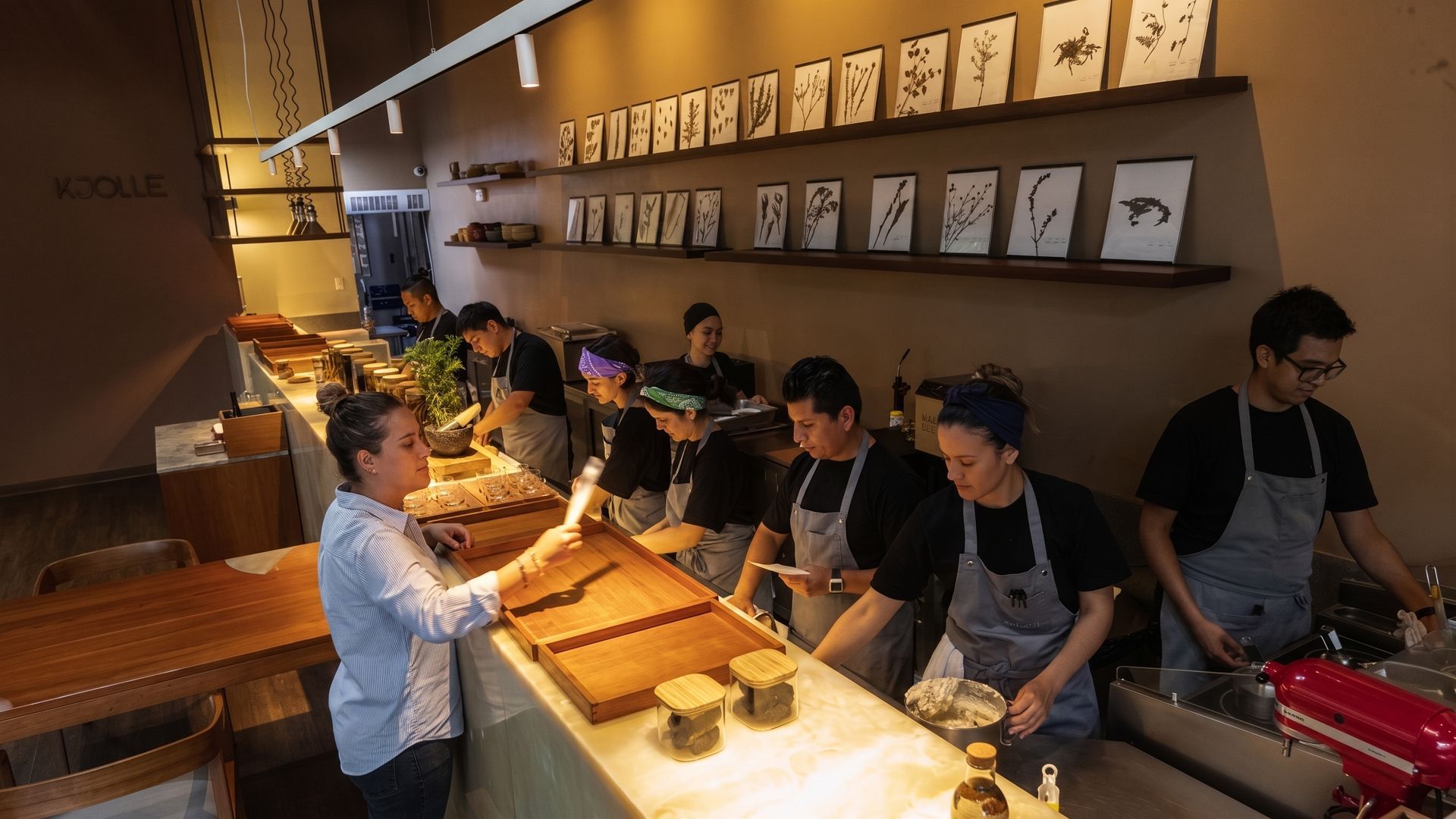
Among the recognitions of the Somos Awards, Kjolle was distinguished as Best Restaurant. Her proposal approaches the natural wealth of Peru from inputs from different ecosystems, establishing connections between origins and seasons.
In experiences like this, products that are born hundreds of kilometers away can coincide in the same proposal. The coast, the Andes and the Amazon thus find new forms of expression, revealing the breadth of a pantry built by profoundly different geographies.
That richness takes on another dimension when approaching the places where many of these flavors have their origin.
When the Amazon comes to the table
In the Peruvian jungle, the landscape also transforms the way we understand its products. Fruits, plants, fish and other inputs from the forest are part of a tradition closely related to one of the most diverse ecosystems on the planet.
El Batan del Tayta, recognized as Best Amazonian Restaurant, represents one of the proposals highlighted by the Somos Awards. Its recognition directs the gaze towards a cuisine whose richness begins long before it reaches the plate: in the products available, in the local knowledge and in the relationship of the communities with their environment.
Approaching the Amazonian flavors allows us to broaden our view of the Peruvian table. Each preparation can reveal a particular biodiversity and knowledge developed from a close relationship with the forest.
The Andes, between product and tradition
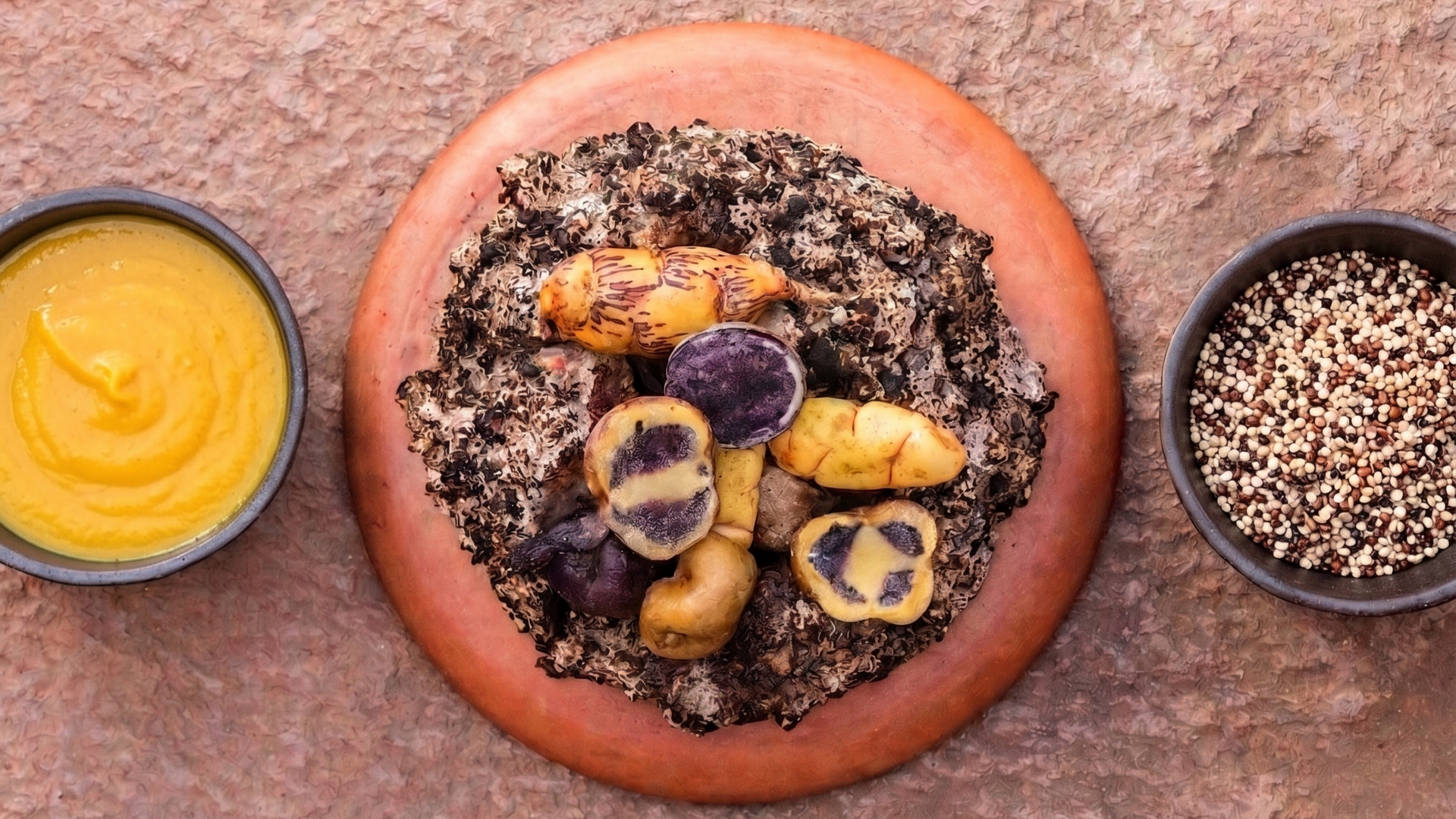
In Cusco, the altitude and the valleys draw a different scenario. The products of the Andean areas are part of culinary knowledge developed over generations and closely related to the cycles and characteristics of this geography.
Chicha, recognized as the Best Restaurant in the region, proposes a contemporary look at these flavors, maintaining as a starting point the ingredients linked to the Cusco environment.
Gastronomy thus allows us to approach another dimension of a destination known worldwide for its archaeological and cultural heritage. Markets, products and preparations reveal a Cusco that is also understood through what is grown, cooked and shared.
Peru, a destination that is also understood through its flavors
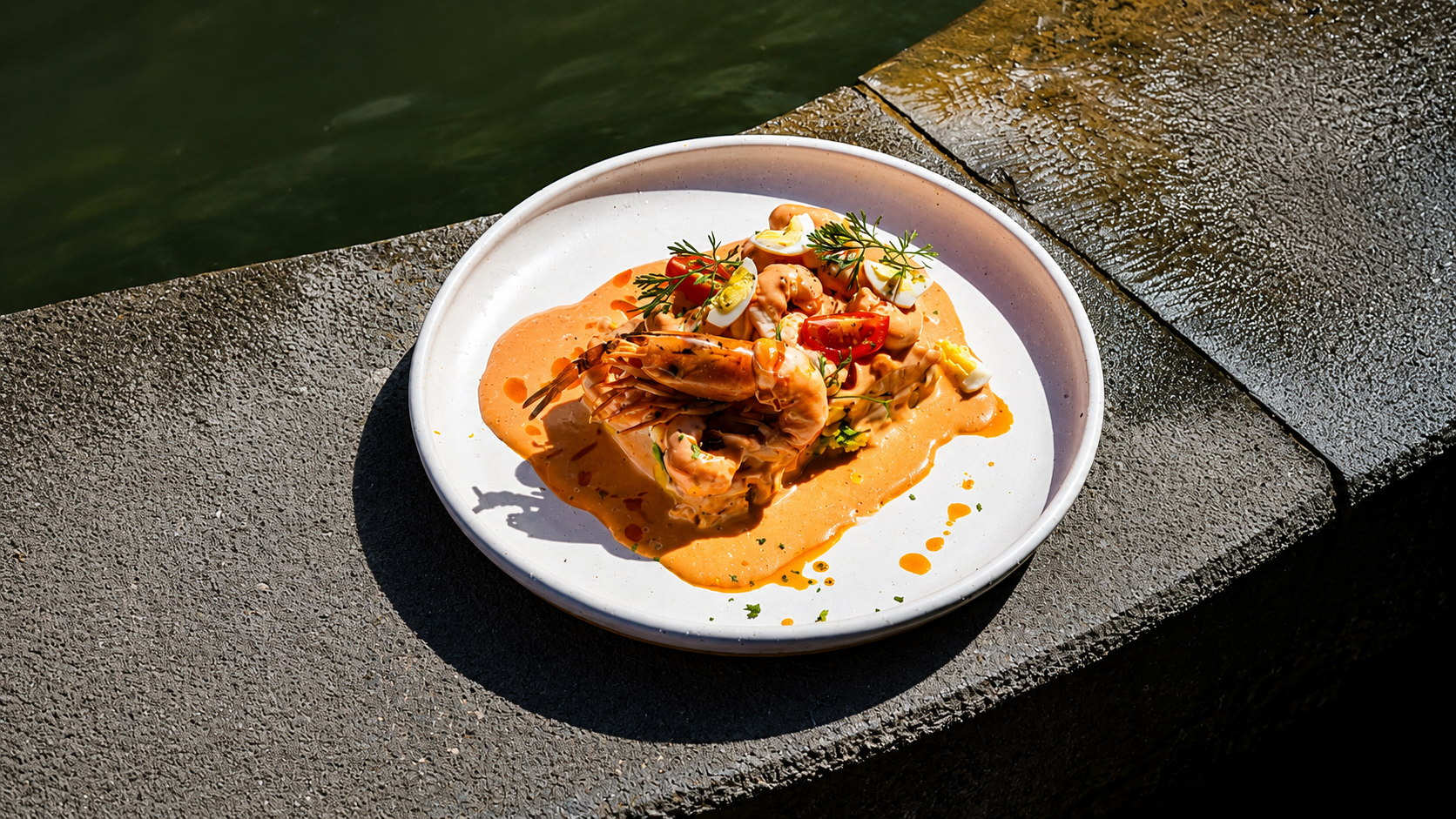
The Coast, Andes and Amazon express different ways of relating to the environment. Its landscapes change, as do its products and preparations, but behind each cuisine remains the knowledge of those who have learned to take advantage of what each region offers.
The Somos Awards focus on some proposals that today represent this culinary richness. Behind each recognition, however, there is a much wider chain: producers, cooks, ingredients, techniques and knowledge that connect each table with its place of origin.
For the traveler, getting closer to these flavors opens up a new way of understanding Peru. Gastronomy can reveal what the landscape alone does not tell: how a territory is experienced, what products distinguish it and what knowledge has managed to remain over time.
Getting to know a destination also involves tasting it, understanding where its flavors come from and getting closer to the stories behind them.
In Peru, each table can become a gateway to a landscape, a culture and a different way of experiencing the journey.