Pachamama: A Tradition That Continues to Shape the Journey Through the Andes
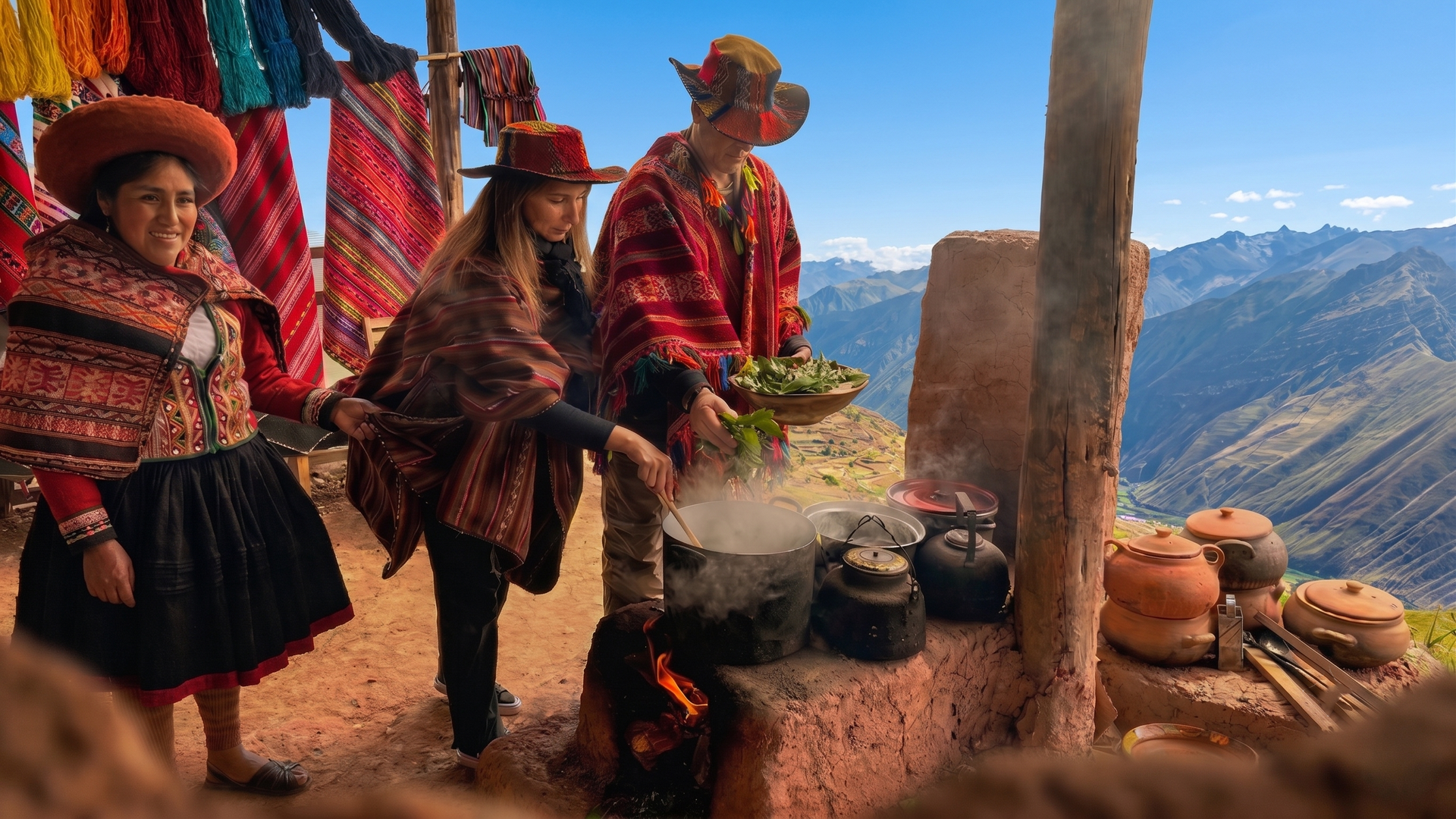
In the Andes, the relationship with the land is part of a worldview that has transcended generations. Mountains, fields, lakes, and rivers form a living territory, deeply intertwined with the people, their activities, and the traditions that shape their daily lives.
In this worldview, Pachamama—Mother Earth—represents the profound connection between communities and the environment that sustains them. Her presence is acknowledged in agricultural cycles, daily practices, and cultural expressions that convey an essential principle of the Andean world: to receive from the earth means one must also give thanks, care for it, and give back. This form of reciprocity has been forged over centuries through the experience of inhabiting one of the most diverse and demanding terrains on the continent.
A Relationship of Reciprocity with Nature
Throughout the mountain range, geography has dictated how people live and work. Farming at varying altitudes, adapting to the rains, and recognizing the timing of each season are skills developed over generations through close observation of the environment.
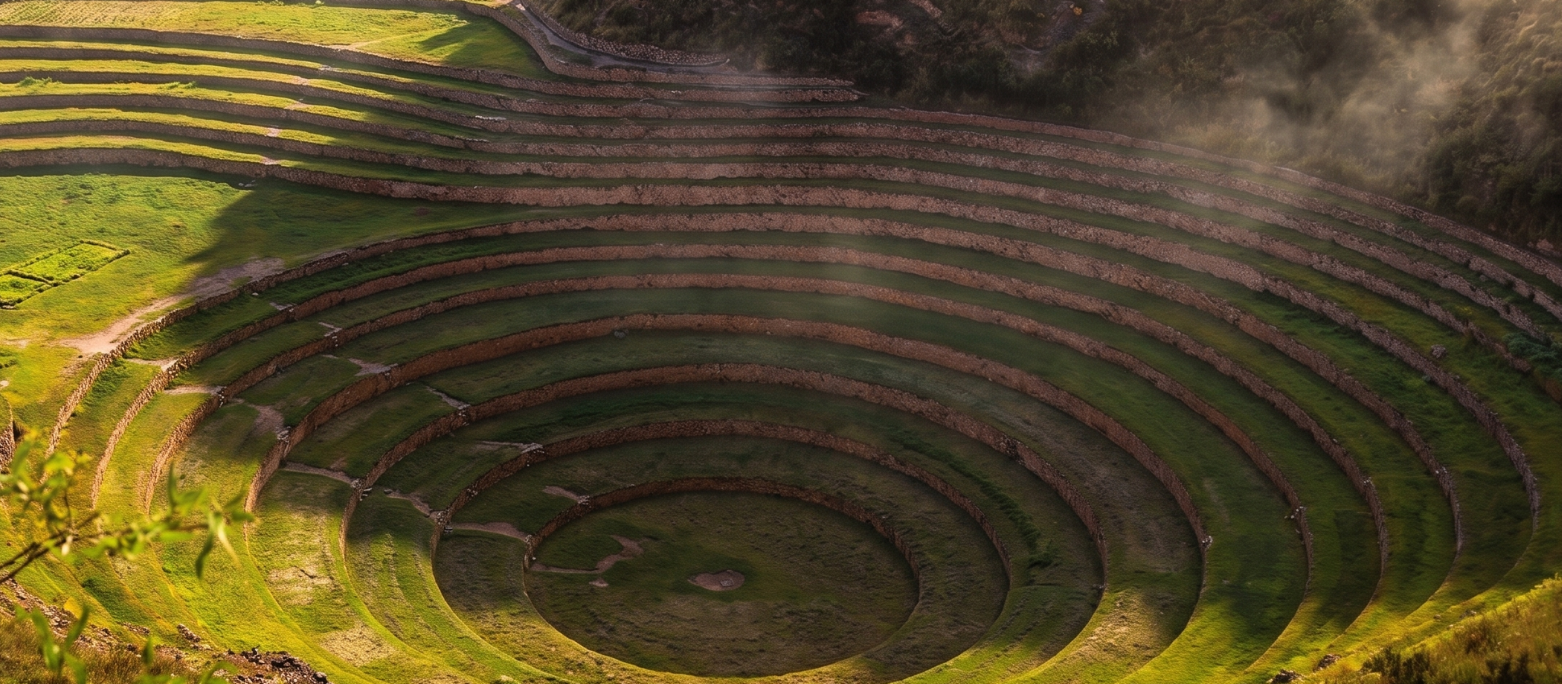
In the terraced fields that line the hillsides, this relationship remains highly visible. Agriculture follows natural rhythms, expressing a connection where care, respect, and gratitude hold a central place. Nature and daily life intertwine in ways that reveal how this bond has endured through time.
This enduring tradition finds one of its most significant moments in August, when various Andean communities symbolically renew their gratitude to the earth
August: A Time to Give Thanks
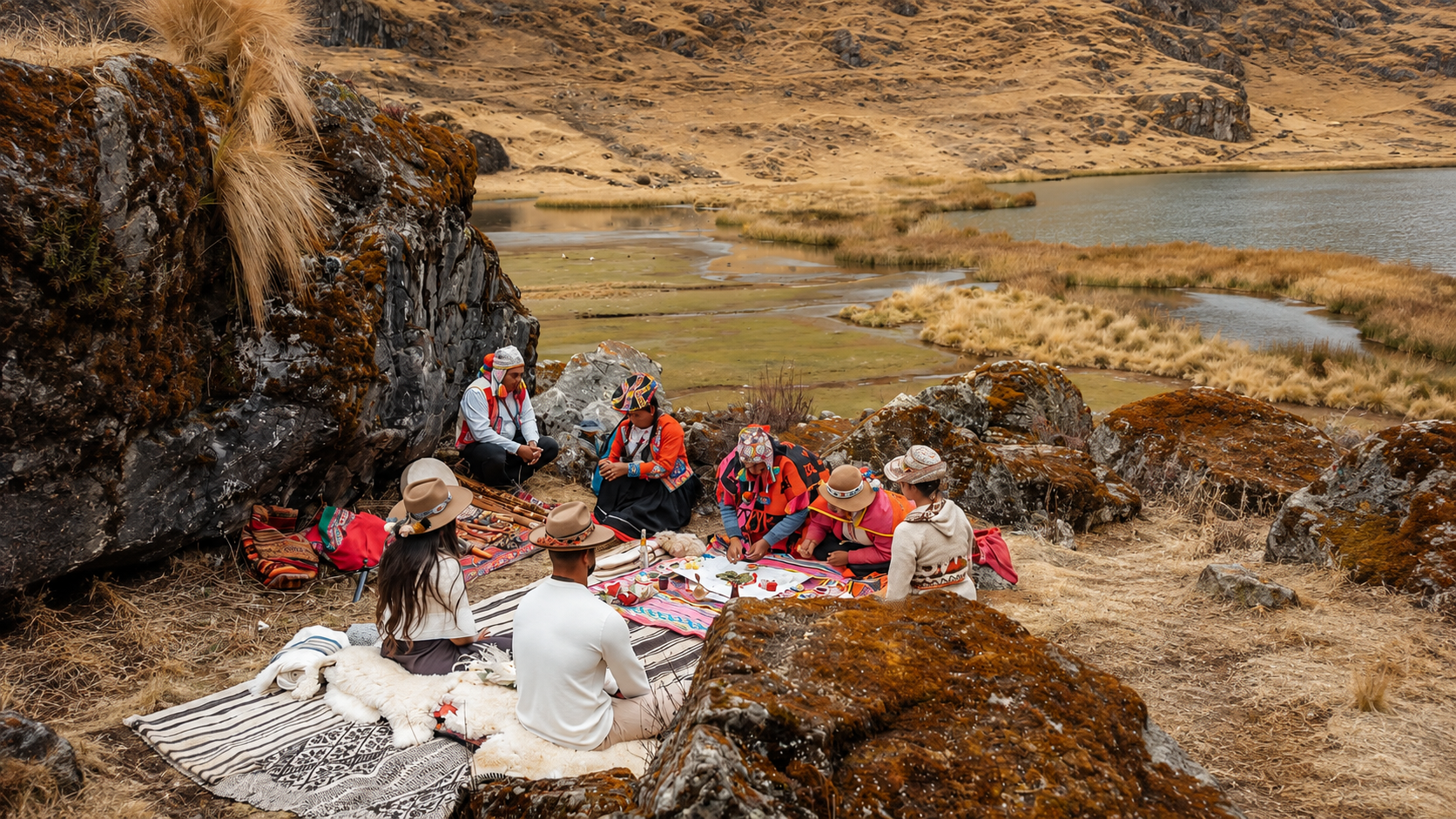
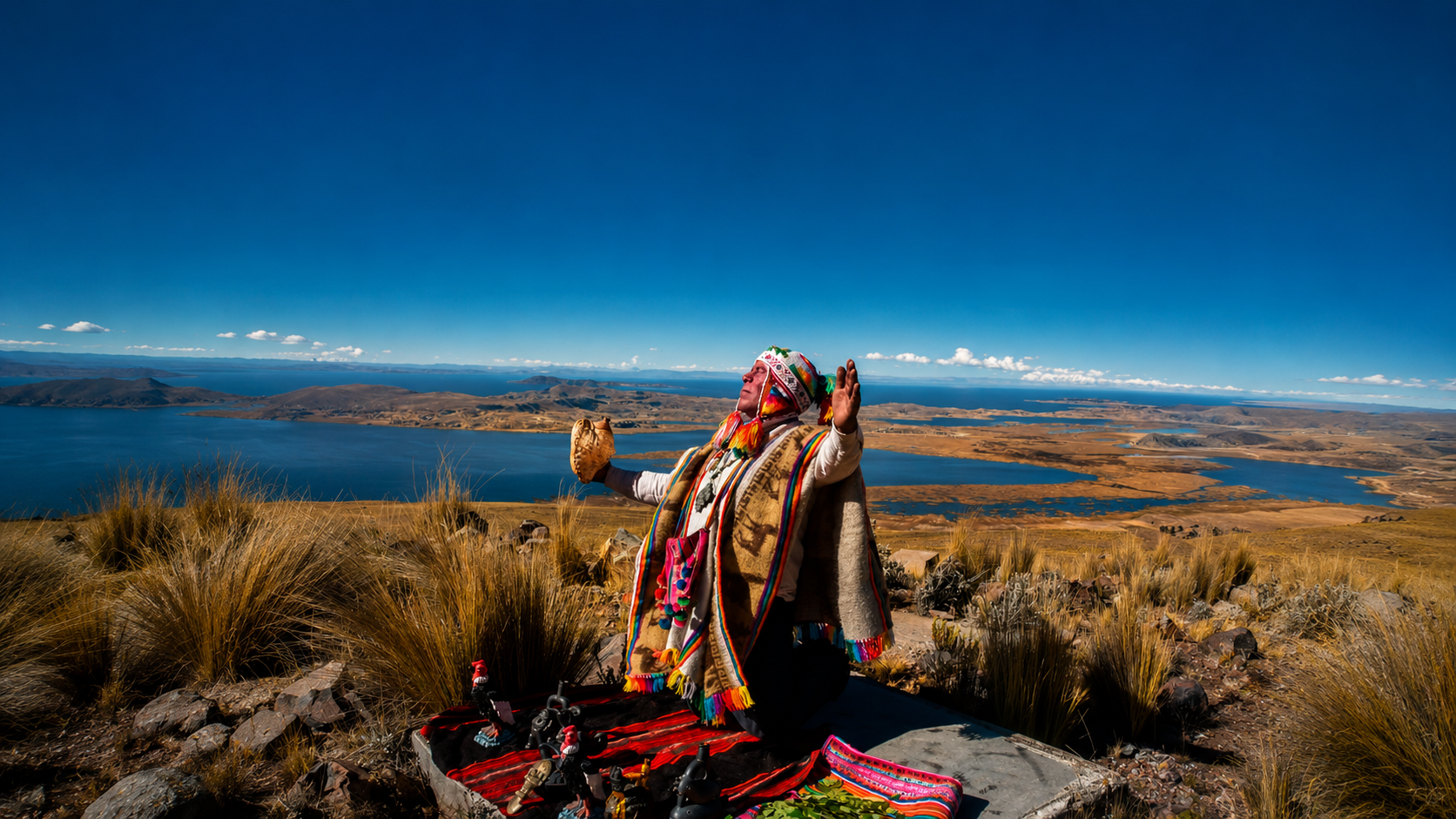
Offerings to Pachamama are part of ceremonies that express this reciprocity. While the specific elements and gestures may vary according to local customs, they all share a single intention: to acknowledge what the earth has provided and to honor its generosity.
Symbolically returning a portion of what has been received bridges the past and the present. Embedded in this gesture is knowledge passed down through generations, memories tied to agricultural cycles, and a way of relating to the environment that continues to thrive in contemporary life.
This is precisely where the strength of this tradition lies: in its ability to remain relevant while adapting alongside the people who preserve it.
A Tradition in Dialogue with the Present
Pachamama remains an integral part of diverse cultural expressions throughout the Andes. Today, the gestures, knowledge, and practices associated with her seamlessly blend into contemporary realities, keeping alive a collective memory that deeply connects people to the places they call home.
This perspective also allows us to read the landscape in a different light. A cultivated field speaks of the profound knowledge required to work the land; ancient trails reflect centuries of exchange and adaptation; towering mountains hold deep meanings that shape local identity. Each element adds a new layer of significance to what the traveler discovers along their journey.
Understanding these connections adds depth to the travel experience, paving the way for a much more sensitive and mindful approach to the Andean region of Peru.
Exploring the Andes Through a Different Lens
This sensitivity enriches the journey through iconic landscapes such as the Sacred Valley, Lake Titicaca, or the trails leading to Machu Picchu. As the journey unfolds, nature, memory, and culture reveal themselves to be inextricably intertwined, showing that every landscape harbors stories forged across generations.
Pachamama thus provides the key to experiencing the Andean world with genuine respect and curiosity. Observing the fields, walking ancient paths, and gazing at the immensity of the mountains take on a special depth when you recognize the wisdom and meaning embedded in these spaces.
The journey then transforms into an opportunity to discover Peru through the eyes of those who have cultivated a profound relationship with their land and continue to pass it on. It is a living connection that invites you to travel through the Andes with a more conscious gaze, attentive to the stories that continue to give meaning to every single place.
Discover a journey through some of the most iconic landscapes and destinations in the Andean world with VIPAC Travel:
https://www.vipac.travel/tour/8-day-ancient-altars-of-the-incas-mysticim-esoteric-rural-communities-machu-picchu