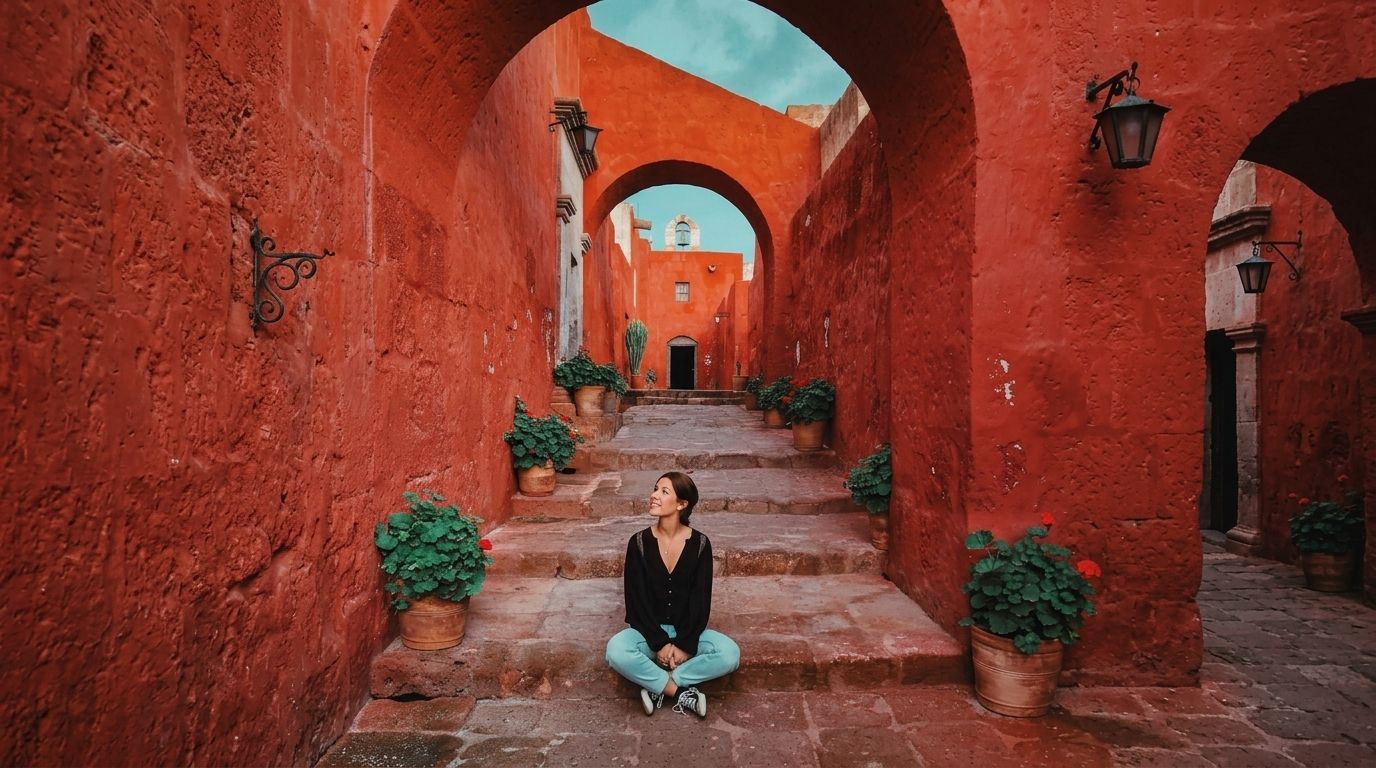
Arequipa: a month to celebrate the history, architecture and flavors of the White City
August has a special meaning in Arequipa. During the month of its anniversary, the White City celebrates an identity built over centuries, between volcanoes, ashlar architecture, traditions and a gastronomy that preserves flavours and knowledge passed down from generation to generation.
It is also an opportunity to look back at what makes this destination unique. Because getting to know Arequipa means discovering a city deeply linked to the landscape that surrounds it, where nature does not remain only on the horizon: it is also part of its streets, its architecture and many of the cultural expressions that are still alive today.
A city born from its landscape
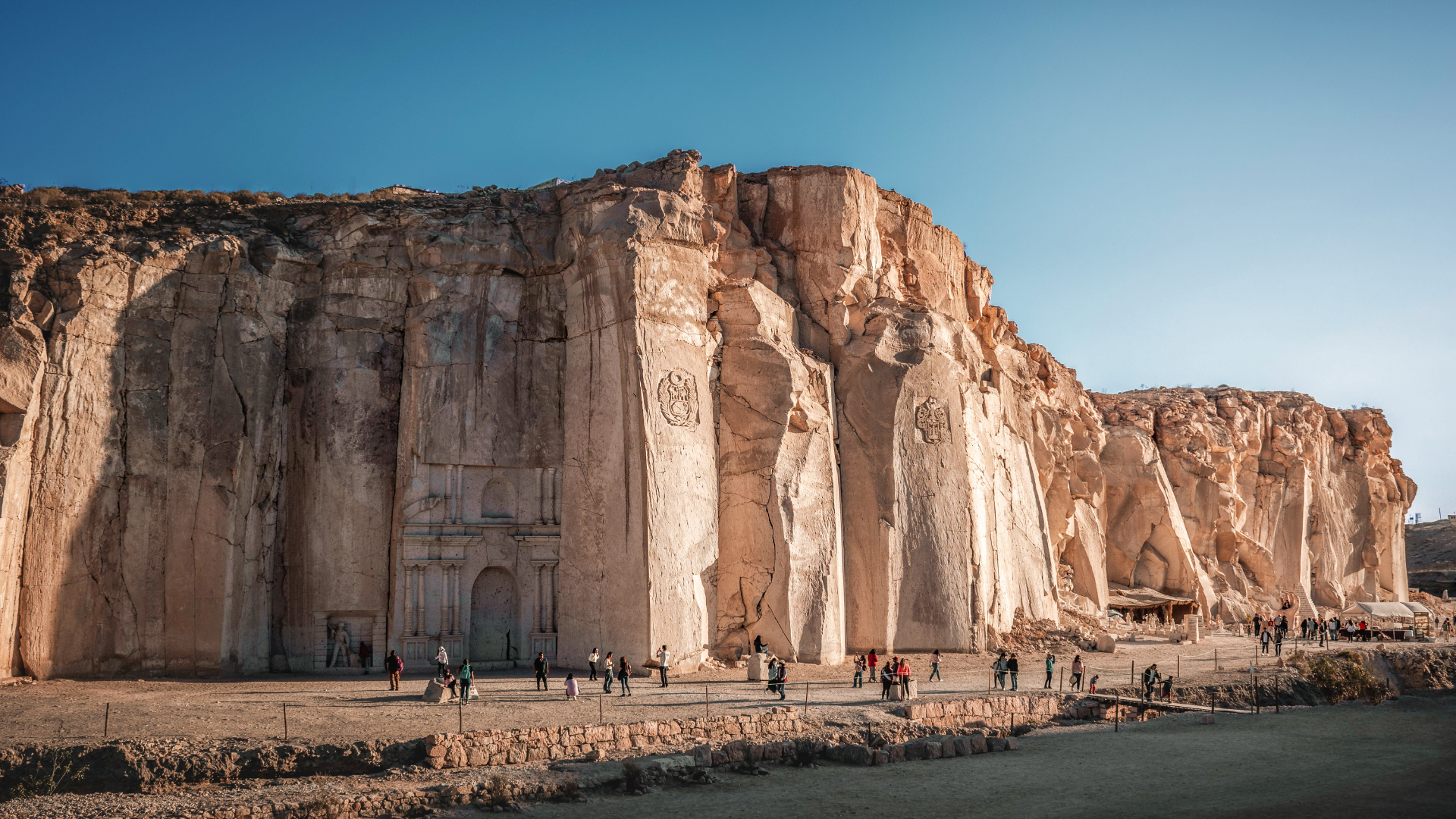
The presence of volcanoes defines the first image of Arequipa. El Misti accompanies the city's skyline, while Chachani and Pichu Pichu complete a geography that has profoundly influenced the way this territory is built and inhabited.
One of its most recognizable elements also comes from this volcanic environment: ashlar. This light stone, used for centuries in churches, mansions and monumental buildings, gave Arequipa the luminosity that gave rise to its name of White City.
Beyond its appearance, ashlar also tells the story of Arequipa's relationship with its territory. Working on it implied understanding the characteristics of the environment and turning a landscape resource into an essential part of urban identity. That is why, when touring Arequipa, nature never seems to be completely outside the city: it continues to be present in its walls, in its textures and in the visual relationship that its streets maintain with the volcanoes.
An architecture where different stories coexist
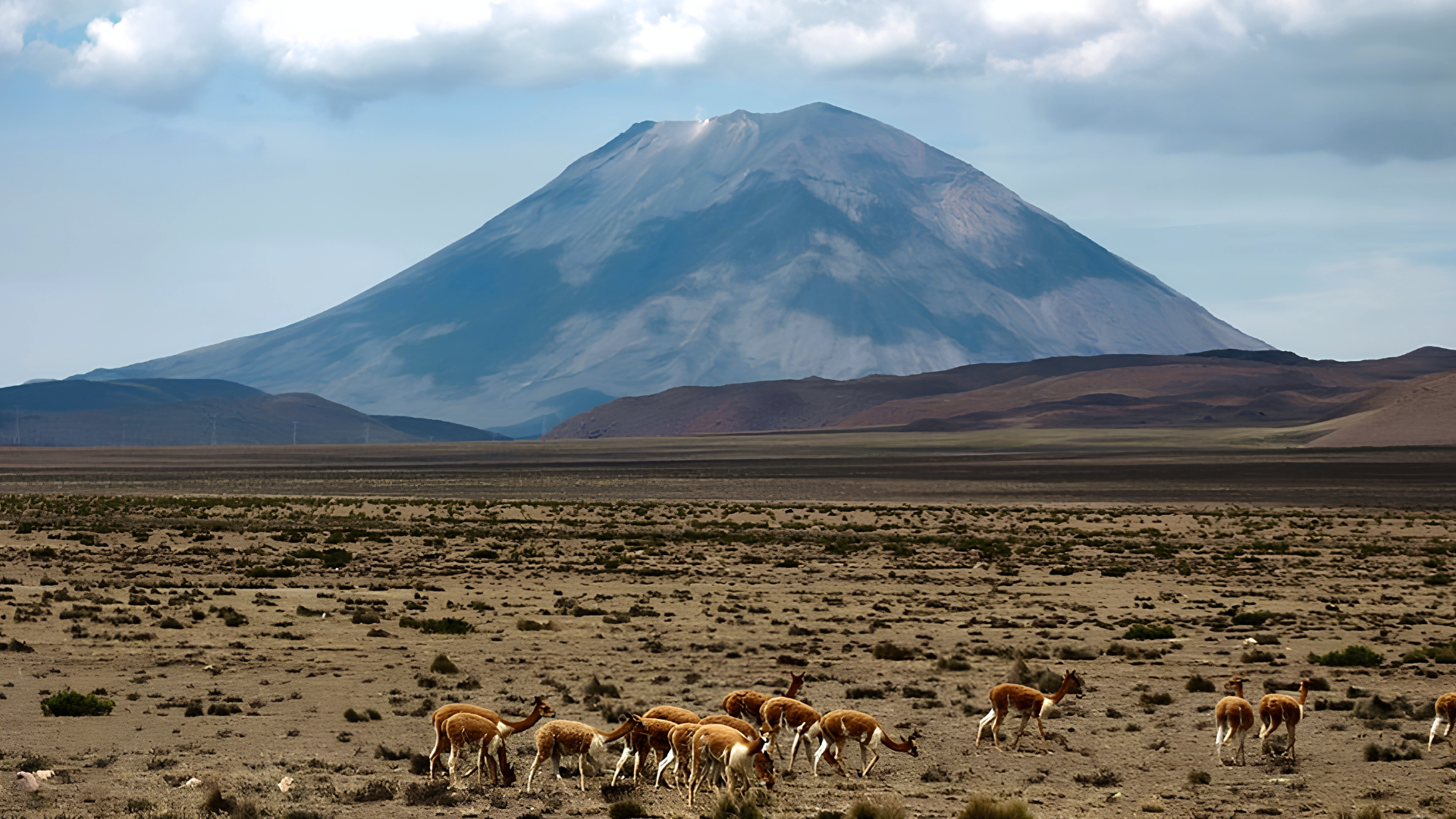
This connection between territory and city becomes especially visible when entering the historic center. Volcanic stone accompanies squares, churches, mansions and cloisters, while light transforms its shades throughout the day.
Arequipa's architecture also reveals the meeting of different traditions. Construction techniques developed to respond to the characteristics of the territory gave shape to solid walls, vaults and interior spaces that have managed to last over time. Above them, the carved facades incorporated elements of European tradition along with motifs linked to the Andean imaginary.
The result is an expression of its own, built through cultural exchange and centuries of adaptation to the environment. This architecture allows us to understand how Arequipa built its own identity from the encounter between territory, history and culture, a relationship that continues to be present in the city to this day.
An identity that is also discovered at the table
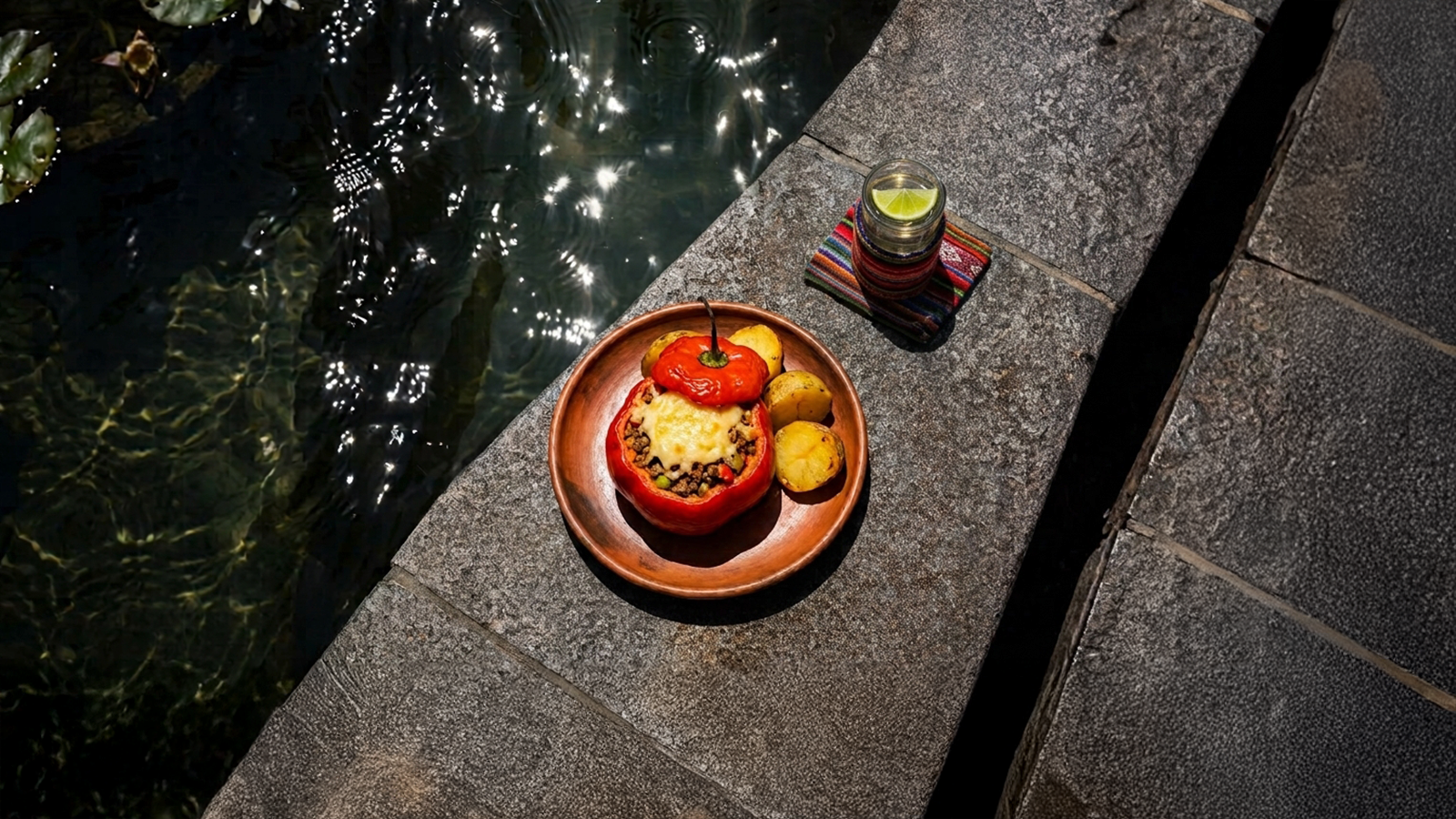
If architecture allows you to read part of Arequipa's history, its gastronomy offers another way to get closer to it. This route finds a natural continuation in one of the most representative spaces of the local culture: the picanterías.
Much more than places to try traditional dishes, picanterías have been for generations spaces for meeting and transmitting knowledge. Techniques, ingredients and preparations remain in its kitchens that allow us to understand another dimension of the territory.
Arequipa's cuisine brings together products from different ecological levels and expresses the links that have historically connected the Andes with other spaces in southern Peru. Their techniques and preparations are part of a shared memory that continues to live around the table.
Thus, after getting to know the link between the landscape and the architecture of the city, getting closer to its gastronomy allows you to discover another expression of its cultural heritage, preserved and shared over time.
A season to rediscover Arequipa
Arequipa celebrates much more than its history. It celebrates the continuity of an identity that remains in the landscape, in the stone, in its historic spaces and in the flavors that continue to bring together generations.
For those who visit it, this season offers a special opportunity to get closer to that legacy and discover a city through its heritage and traditions.
Because getting to know Arequipa goes beyond contemplating its monuments. It means understanding how territory, history and culture continue to dialogue in one of the most unique cities in southern Peru.
Discover Arequipa as part of a tour of some of Peru's most iconic destinations.
Get to know our 10 Days Discover Peru program: https://www.vipac.travel/tour/10-day-discover-peru-lima-arequipa-puno-cusco-machu-picchu